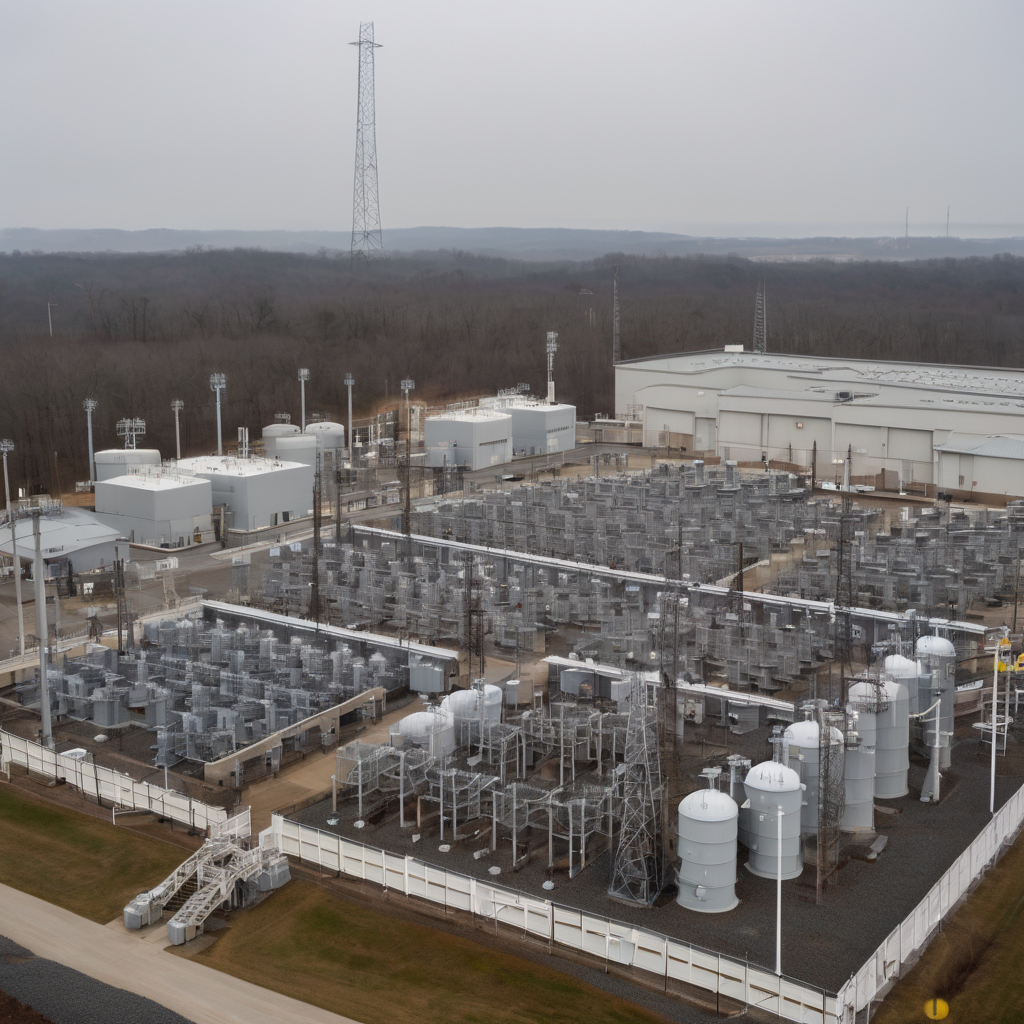
Think of America's electrical grid like a sprawling highway system where every on-ramp requires years of permitting and millions in construction costs. Now imagine discovering that some rarely-used ramps built for old gas plants that seldom run could instantly connect new clean energy projects to the main thoroughfare.
That's exactly what Virginia and Indiana lawmakers have unlocked with groundbreaking legislation that transforms how energy developers access the grid. By allowing new generation and storage projects to piggyback on existing connections from underutilized power plants, these states are creating express lanes for clean energy deployment.
The Grid Connection Bottleneck
For energy developers, securing grid interconnection rights has become the industry's most notorious chokepoint. Traditional interconnection studies can drag on for three to five years, with costs often exceeding $50 million for large projects. Meanwhile, perfectly good transmission infrastructure sits idle at aging peaker plants that fire up only during the hottest summer afternoons.
This mismatch represents one of the energy transition's cruelest ironies: while America races to deploy renewable energy and battery storage, projects languish in interconnection queues that have ballooned to over 2,000 gigawatts nationwide. That's equal to nearly double the entire existing installed U.S. generating capacity, which includes all utility-scale sources like natural gas, coal, nuclear, wind, solar, and hydro.
Surplus Rights: The Hidden Asset

Virginia's new law, followed quickly by Indiana's similar measure, recognizes that interconnection capacity is a transferable asset. When a 500-megawatt gas plant that runs only 100 hours per year holds the same grid access rights as a proposed solar farm that could generate clean power daily, the math becomes obvious.
"These surplus interconnection bills are essentially creating a secondary market for grid access," explains the legislation's framework. "Instead of building new transmission lines from scratch, we're maximizing existing infrastructure."
The approach offers multiple advantages: developers avoid lengthy interconnection studies, ratepayers aren't burdened with new transmission costs, and clean energy projects can reach commercial operation ahead of schedule. For example, a typical solar project might save millions and two to three years of development time by acquiring surplus interconnection rights rather than starting from existing interconnection processes.
Why This Matters for Energy Consumers
These legislative changes will ripple through electricity markets in ways that directly benefit consumers. Faster deployment of renewable energy and storage translates to lower wholesale power prices, especially during peak demand periods when older gas plants typically set market-clearing prices.
Battery storage projects, in particular, benefit enormously from surplus interconnection access. These facilities can charge during low-demand periods and discharge when prices spike, providing grid stability services while reducing the need for expensive peaker plants. The faster these projects come online, the sooner consumers see relief from volatile electricity costs.
Moreover, by avoiding new transmission construction, surplus interconnection programs prevent those infrastructure costs from appearing on monthly utility bills. Every mile of new high-voltage transmission line costs roughly $2-5 million, expenses that utilities traditionally pass through to ratepayers.
The Domino Effect Begins
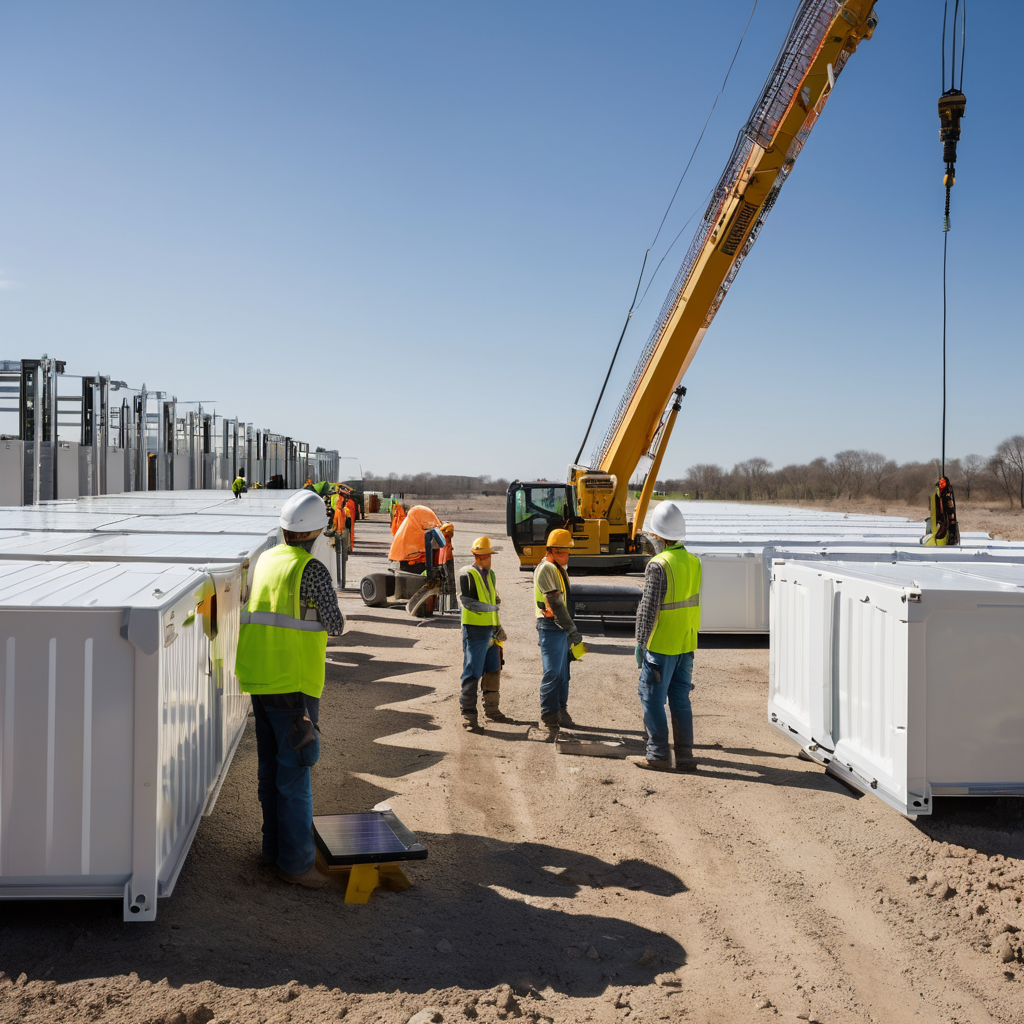
Virginia and Indiana's leadership on surplus interconnection creates competitive pressure for neighboring states. As clean energy developers gravitate toward markets with streamlined interconnection processes, states with antiquated grid access rules risk becoming energy investment backwaters.
The legislation also signals a broader shift in how policymakers think about grid modernization. Rather than viewing the electrical system as a collection of fixed assets, these laws treat transmission capacity as a dynamic resource that should flow to its highest-value use.
For the thousands of renewable energy and storage projects currently trapped in interconnection queues, Virginia and Indiana have opened a new pathway forward. The question now is how quickly other states will follow suit and whether federal regulators will adopt similar principles for interstate transmission planning.
In an energy landscape where speed of deployment increasingly determines climate and economic outcomes, surplus interconnection represents more than regulatory innovation. It's a recognition that the grid itself must evolve as rapidly as the clean technologies seeking to connect to it.