When Florida lawmakers passed a law this year requiring utilities to create special electricity rates for data centers and other massive power users, the goal was simple: make sure the companies building AI-scale server farms pay their own way, rather than quietly shifting costs onto households and small businesses. Duke Energy Florida's response? A regulatory shrug.
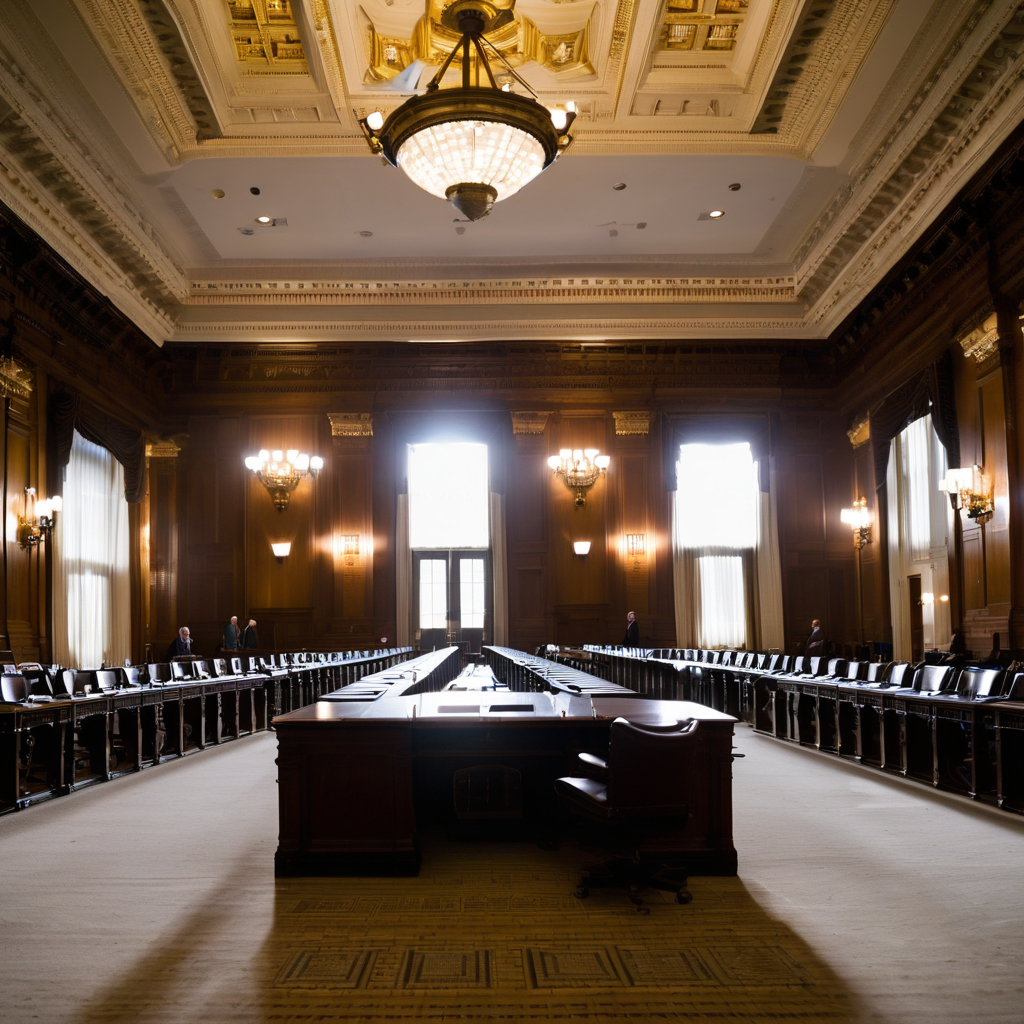
At a recent hearing, the utility asked state regulators for more time, effectively asking to punt on designing a compliant large-load rate structure. The reaction from Florida's public counsel was blunt. Walt Trierweiler, the state's chief consumer advocate in utility matters, told regulators that Duke's proposal "doesn’t attempt to comply with the most basic provisions," of the new data center law, SB 484.
Why a Rate Structure Actually Matters
Think of the electric grid like a shared apartment building's water system. If one tenant installs an industrial-sized hot tub, everyone else shouldn't see their water bill spike to cover it. Utility rate design works the same way: large industrial customers, especially data centers with massive and often unpredictable power draws, need pricing that reflects the true cost of serving them.
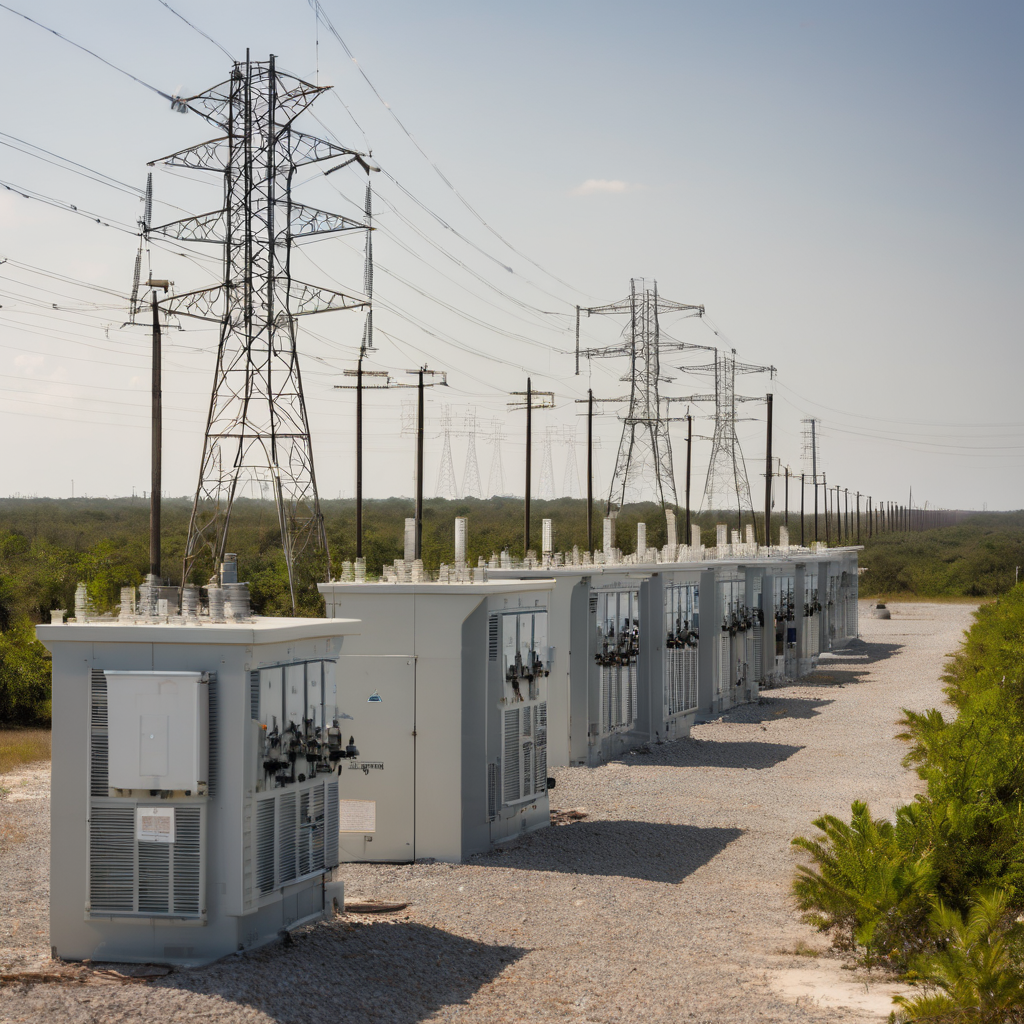
Florida's new law was designed to prevent a scenario playing out across the country, where data center growth driven by cloud computing and artificial intelligence is straining grids and, in some cases, raising costs for residential ratepayers who have nothing to do with these facilities. Without a properly tailored rate class, the risk is straightforward: ordinary Floridians could end up helping finance the infrastructure upgrades needed to power server farms owned by some of the world's largest tech companies.
A Pattern Utilities Can't Afford to Repeat
Duke Energy Florida is far from alone in grappling with how to price power for hyperscale customers. Utilities nationwide are scrambling to update decades-old rate structures built for factories and office parks, not gigawatt-scale data campuses that can appear seemingly overnight. But regulatory delay isn't a neutral act. Every month without a finalized large-load rate is a month where cost allocation remains murky, potentially locking in agreements that don't reflect the new law's intent.
For consumers, this is where energy policy stops being abstract. Rate cases are technical, procedural, and often ignored, until the bill arrives. If regulators allow utilities to delay compliance, the financial exposure for residential customers doesn't disappear; it simply accumulates.
What Happens Next
Florida regulators now face a choice that will resonate well beyond this single case: hold Duke Energy Florida to the letter of the new law, or grant leeway that could set a precedent for how aggressively utilities can slow-walk consumer protections written explicitly to address the data center boom.
As AI infrastructure continues its rapid build-out across the Southeast, this dispute is a preview of a much larger reckoning. The question isn't whether data centers will keep growing, they will. The question is who pays for the grid upgrades required to support them, and whether regulators will insist that cost falls where it belongs: on the companies building the hot tubs, not the neighbors filling their bathtubs.