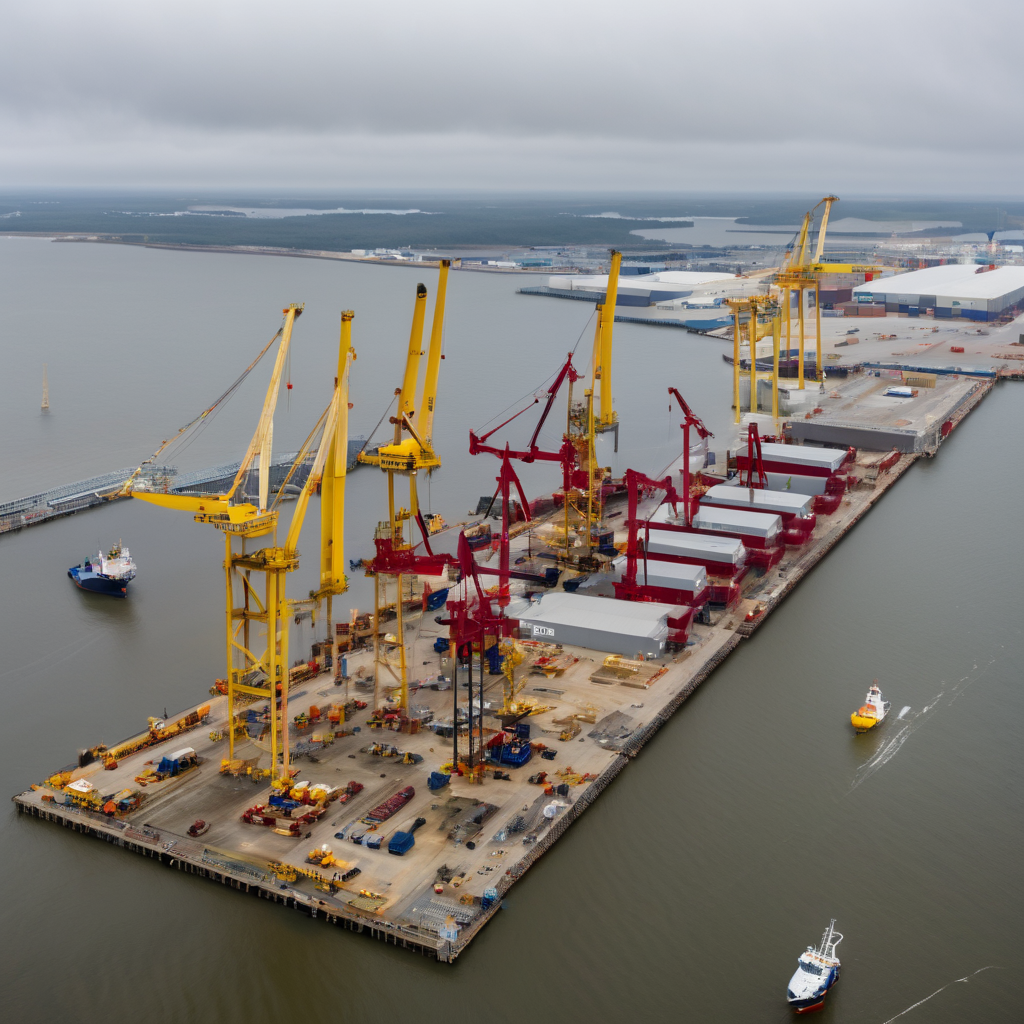
Picture a military base that never has to worry about the grid going down. No frantic calls to the local utility, no diesel generators sputtering to life during a storm, no vulnerability to the kind of cyberattack that could darken a runway mid-mission. That's the promise behind the Pentagon's latest bet on nuclear power — and it just got a lot more concrete.
The U.S. Army has selected five companies to design and deploy microreactors at domestic military installations, backed by $2.2 billion in federal funding. It's a striking vote of confidence in a technology that has spent decades stuck in the research phase, and it may finally give next-generation nuclear the real-world runway it needs to reach the commercial market.
Why the Military Is Going Nuclear
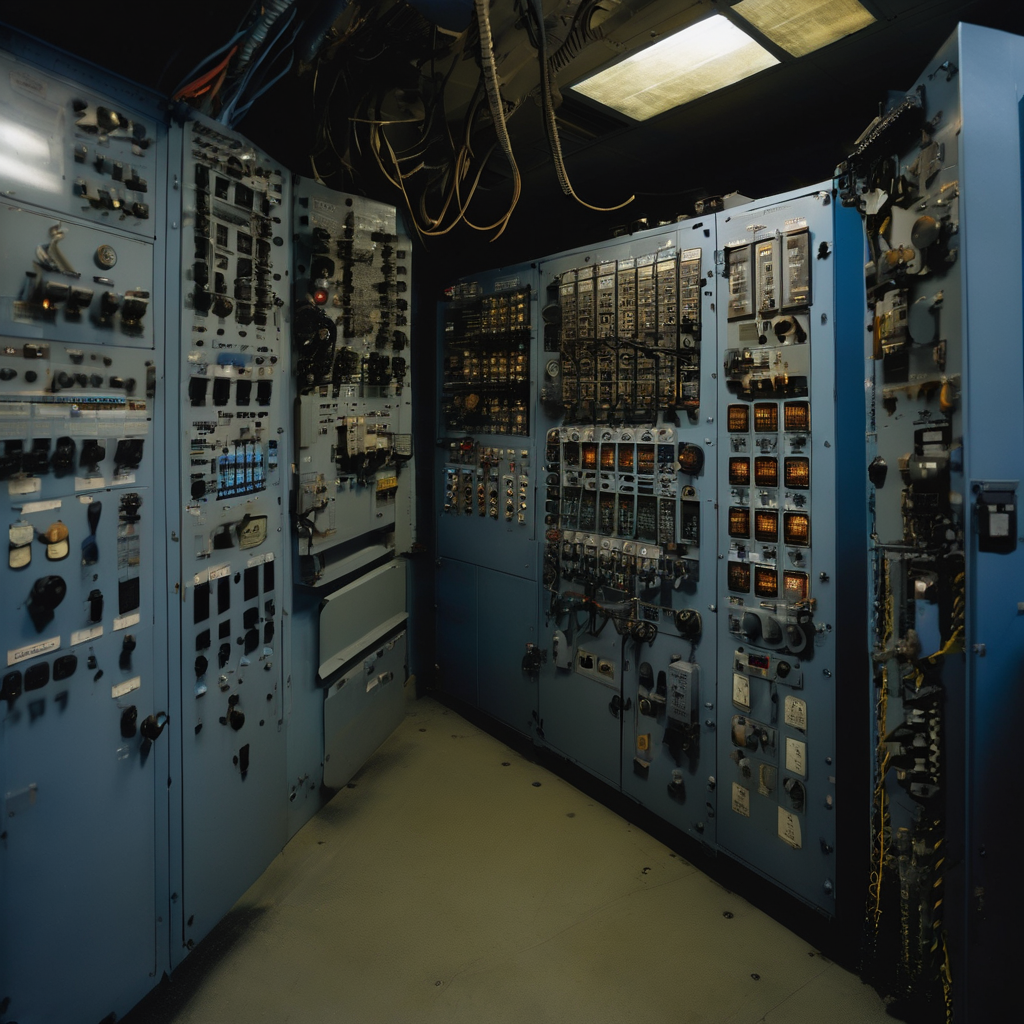
Military bases are, in energy terms, small cities with an unusually low tolerance for disruption. Most still draw power from the same commercial grid that keeps the lights on in surrounding towns — a grid that is aging, increasingly strained by extreme weather, and a tempting target for adversaries. Energy resilience has become a national security issue as much as a utility one.
Microreactors offer a compelling fix. These compact nuclear plants are designed to generate anywhere from a few megawatts up to about 20 megawatts — enough to power a base independently, indefinitely, without needing refueling for years at a time. Think of them less as miniature versions of the sprawling nuclear plants that power whole regions, and more like a backup generator that never runs out of gas and never emits carbon in the process.
The $2.2 billion investment isn't just about keeping the lights on at five bases — it's about proving nuclear power can be built faster, smaller, and cheaper than the industry's history suggests.
A Proving Ground for Next-Generation Nuclear
What makes this initiative significant isn't just the resilience angle — it's what the program signals for the broader nuclear industry. Advanced reactor developers have spent years courting private capital and utility partners, often struggling to get a single demonstration project off the ground. Regulatory uncertainty, high upfront costs, and a justified public wariness rooted in the era of Three Mile Island have made commercial nuclear a hard sell.
The military operates by different rules. As a customer, it can move faster than civilian utilities bound by public utility commissions and shareholder scrutiny. By selecting five companies rather than betting everything on one, the Army is essentially running a real-world bake-off — testing different reactor designs, fuel types, and deployment models simultaneously across multiple installations.
This matters enormously for the companies involved and the broader clean energy ecosystem. A functioning microreactor on a military base becomes a reference plant: proof that these designs work outside a laboratory, that they can be built on schedule and on budget, and that regulators can license them without years of delay. Success here could be the credibility injection the advanced nuclear sector needs to attract the private financing it has long struggled to secure.
Why This Matters Beyond the Base
For everyday energy consumers, the implications extend well past the barracks. If microreactors prove reliable and cost-effective at military sites, the technology becomes far more attractive for remote communities, industrial campuses, and data centers — all of which face their own version of the resilience problem, just without the Pentagon's budget or urgency.
There's also a climate dimension worth noting. Unlike diesel backup generators, microreactors produce no direct carbon emissions, offering a genuine path to decarbonize critical infrastructure that can't afford to go dark. As the nation's electricity demand climbs driven in no small part by energy-hungry data centers and AI computing, having a proven, carbon-free, always-on power source in the toolkit could prove essential.
The $2.2 billion question now is execution. Nuclear projects have a long history of blown budgets and missed deadlines, and microreactors, despite their smaller scale, aren't immune to those same pressures. But if even one or two of these five deployments succeeds on schedule, it could mark a genuine turning point — not just for military energy security, but for the commercial future of nuclear power in America.