Tariffs are supposed to protect industries. Sometimes, they just tax the future. That's the lesson emerging from Virginia, where Dominion Energy is now working to return millions of dollars in tariff-related fees to the very customers who unknowingly absorbed them. The refund effort marks a rare moment of course correction in an energy landscape where consumers usually bear the cost of policy shifts without ever seeing the ledger balance back in their favor.
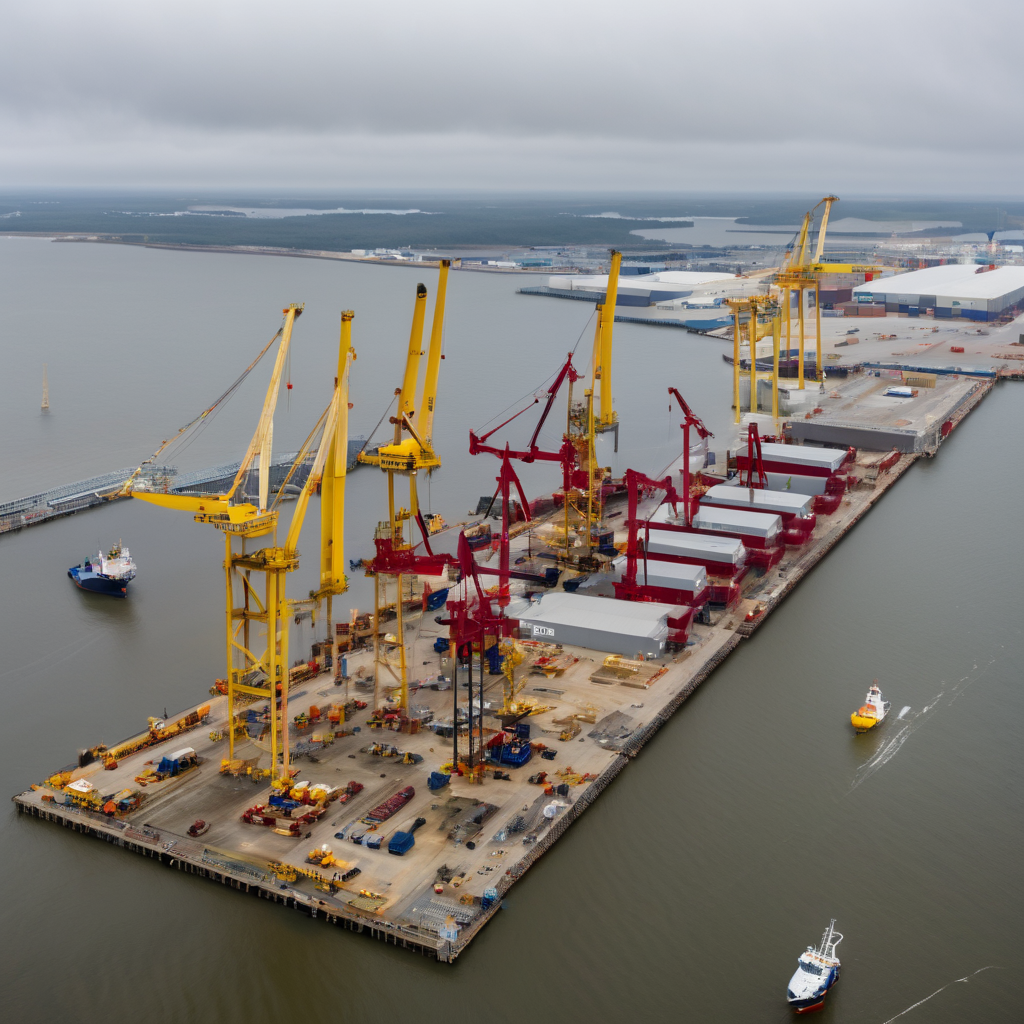
The story begins with a number so large it's almost abstract: nearly $800 million. That's what Dominion says President Trump's tariff policies added to the price tag of its offshore wind project, according to reporting from Radio IQ. To put that in perspective, imagine budgeting for a home renovation and watching the cost of lumber alone balloon by the price of a small skyscraper. That's the scale of disruption tariffs introduced into a project already navigating the choppy waters of offshore construction, specialized vessels, and international supply chains.
How a Trade Policy Became a Utility Bill Problem

Offshore wind isn't built with parts sourced from the corner hardware store. Turbine components, specialized steel, and marine construction equipment often cross international borders before they ever touch the water off Virginia's coast. When tariffs raise the cost of importing that equipment, utilities like Dominion don't simply absorb the hit — they pass it through to ratepayers, the same way a restaurant raises menu prices when ingredient costs spike.
This is the mechanism that too often stays invisible to the average household. Trade policy debated in Washington doesn't stay in Washington; it travels through global steel markets, into project budgets, and finally into the monthly statement that lands in your mailbox. Energy consumers rarely get a front-row seat to this journey, which is precisely why Dominion's refund effort is noteworthy: it's a visible thread connecting an abstract policy decision to a concrete dollar amount on a bill.
Why the Refund Matters More Than the Number

Millions of dollars sounds significant, but in the context of an $800 million tariff burden, it's a partial correction, not a full reversal. Still, the symbolism matters. Utilities operate under regulatory frameworks designed to ensure costs passed to consumers are reasonable and justified. When a cost input like a tariff shifts or is reconsidered, the expectation is that savings should flow back through the same pipeline that carried the increase.
Think of it like a toll road operator who briefly overcharged drivers due to a construction cost estimate that turned out to be wrong. Once the real numbers come in lower, drivers who paid the inflated toll deserve their difference back. That's effectively what's happening here: Dominion is acknowledging that ratepayers fronted money based on tariff assumptions, and now that landscape has shifted enough to warrant giving some of it back.
What This Means for the Future of Offshore Wind Financing
Beyond the refund itself, this episode is a case study in how vulnerable large-scale energy infrastructure remains to political and trade volatility. Offshore wind projects take years to plan and execute, but tariff policy can change with a single administration's priorities. That mismatch in timelines creates financial turbulence that utilities, regulators, and customers all have to navigate together.
For ratepayers, the takeaway is simple but important: the price of electricity isn't just about fuel costs or infrastructure maintenance. It's increasingly a reflection of global trade dynamics, supply chain politics, and regulatory decisions made far from the wind farms and substations that power daily life. Dominion's refund is a small but telling reminder that when policy swings, the financial pendulum eventually swings back. And this time, it's swinging in the customer's direction.
As offshore wind continues to scale up across the U.S. East Coast, expect more moments like this one, where the intersection of trade policy and energy infrastructure produces unexpected financial aftershocks. The companies that manage that volatility transparently, as Dominion appears to be doing here, may find themselves better positioned to maintain public trust in an energy transition that's already asking consumers for plenty of patience.