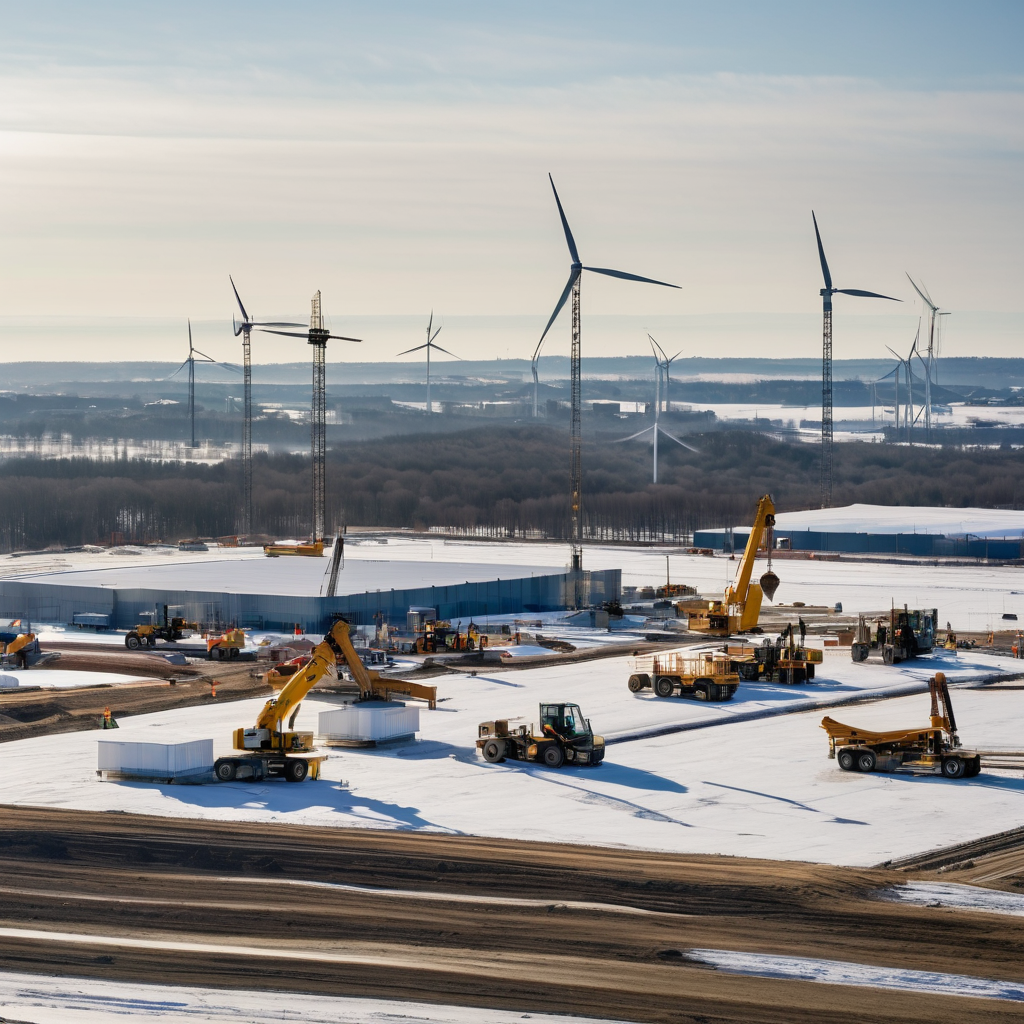
The construction industry just got hit with a financial sledgehammer. January's construction input costs rocketed upward at what industry experts are calling a "blistering" annualized rate of 7.1% for nonresidential projects, according to new data from Associated Builders and Contractors. This isn't just another monthly fluctuation. It's the opening salvo of what could become a prolonged battle between ambitious energy infrastructure goals and economic reality.
For anyone wondering why their utility bills might climb or why that promised solar farm seems perpetually delayed, this surge in construction costs provides a stark answer. The ripple effects of tariff policies are now cascading through the very foundation of America's energy transformation.
The Tariff Tax Hits Home
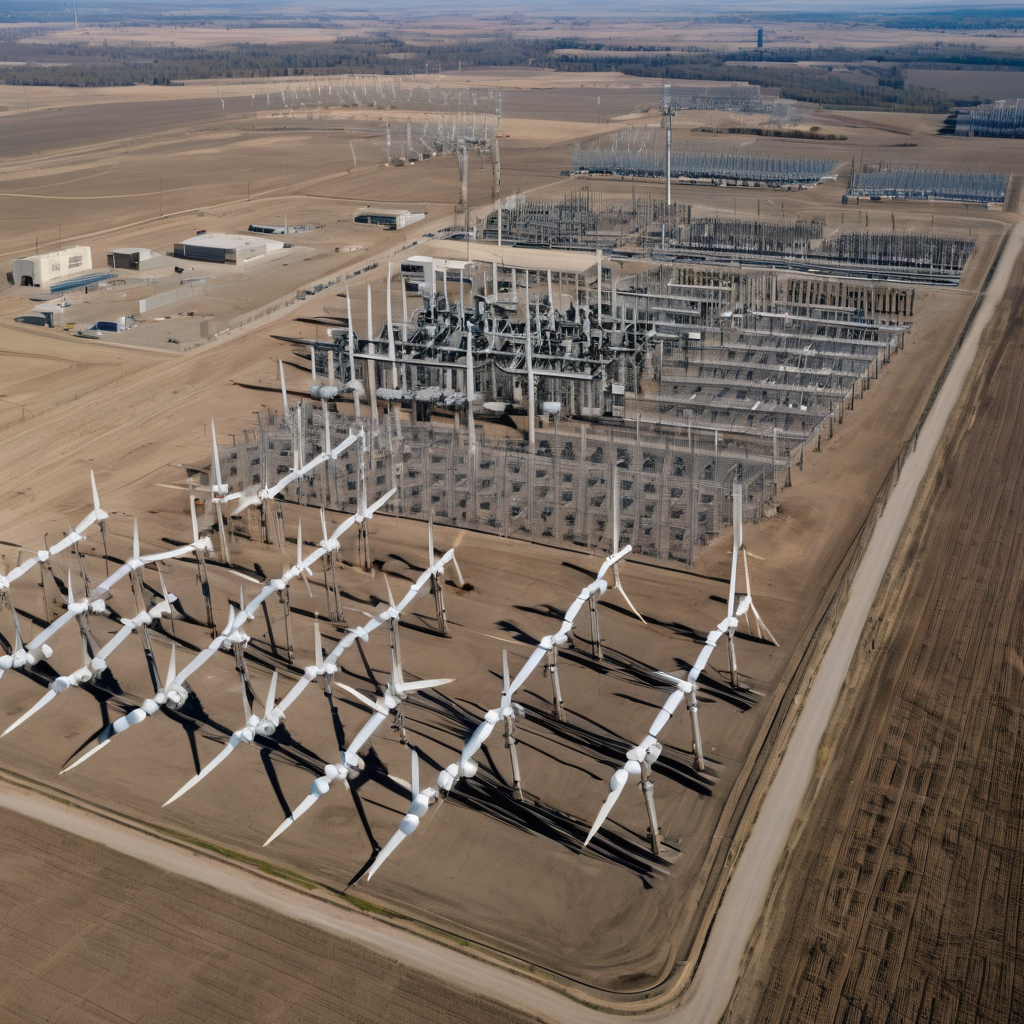
Like a stone thrown into a still pond, tariffs create expanding circles of economic impact. What begins as a policy decision in Washington eventually reaches construction sites from Texas wind farms to California solar installations. The 7.1% surge represents more than statistical noise. It's a fundamental shift in the economics of building America's energy future.
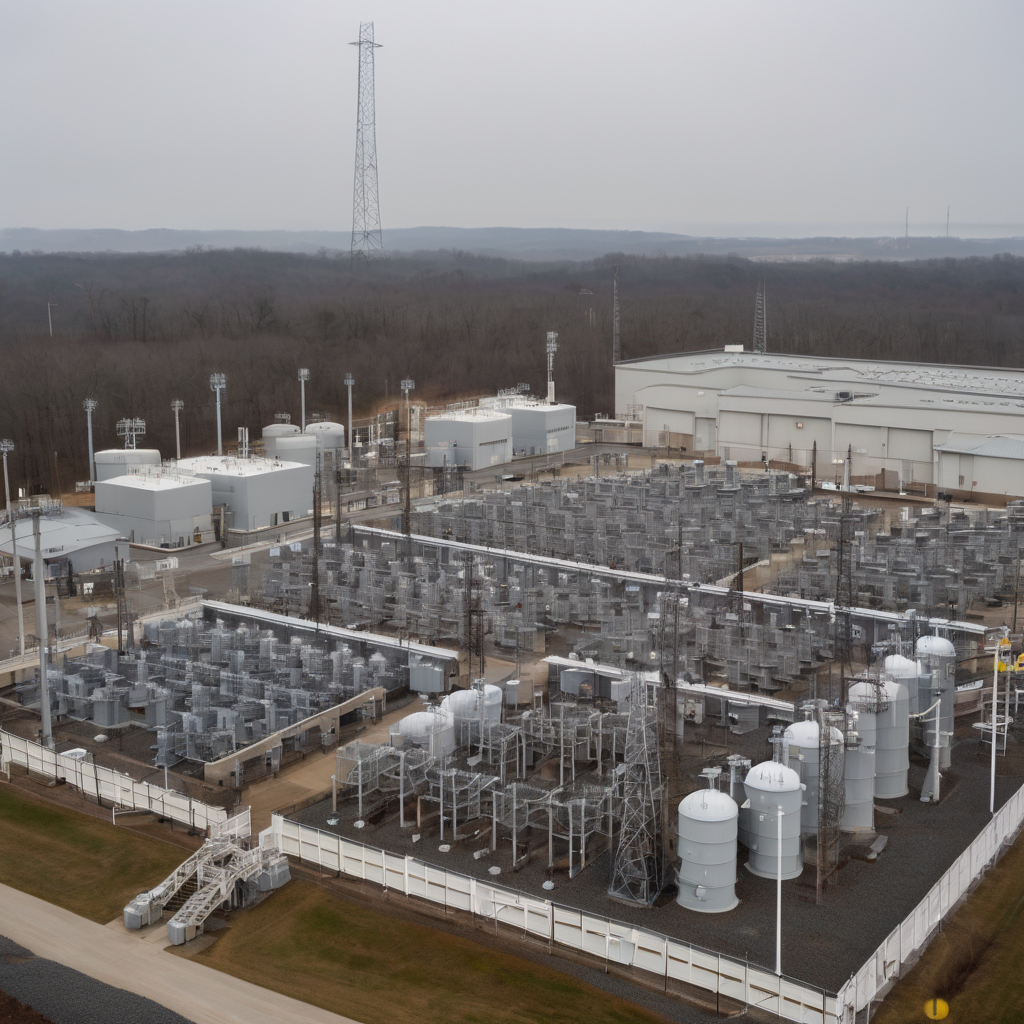
Construction materials don't exist in isolation. Steel for transmission towers, aluminum for solar panel frames, and specialized equipment for grid modernization projects all flow through global supply chains that tariffs have suddenly made more expensive. When these costs spike, energy companies face an uncomfortable choice: absorb the increases and squeeze profit margins, or pass them along to consumers already grappling with inflation.
Energy Infrastructure Bears the Brunt
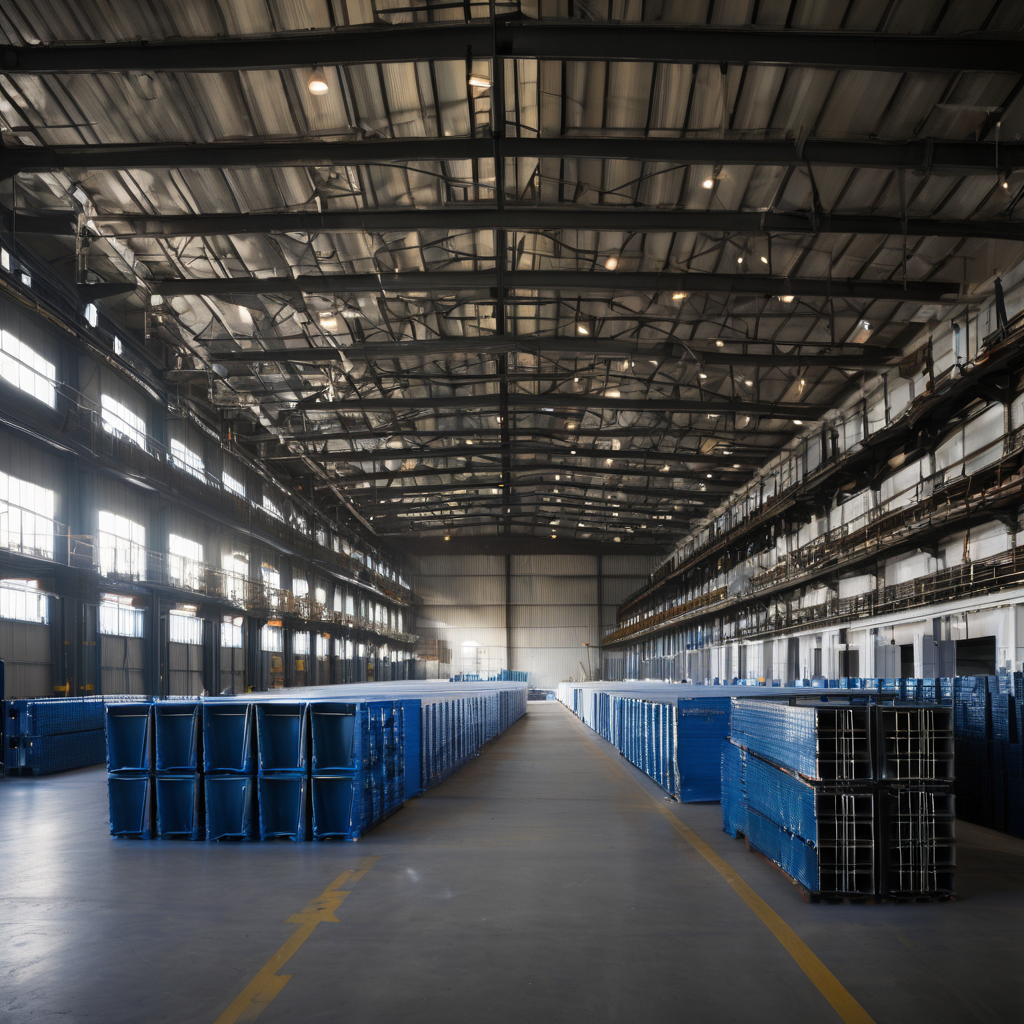
The timing couldn't be worse for America's energy transition. Just as the Inflation Reduction Act promised to accelerate renewable energy deployment, construction cost inflation threatens to slow progress to a crawl. Large-scale energy projects, which often operate on thin margins and long development timelines, are particularly vulnerable to input cost volatility. When you're planning a project that takes three to five years to complete, a 7% cost increase can mean the difference between profitability and cancellation.
Consider the mathematics: a $100 million wind farm project suddenly costs $107 million. For developers already navigating complex permitting processes, financing arrangements, and grid interconnection queues, this additional financial burden can tip projects from viable to impossible.
The Consumer Connection
Here's why this matters to every American paying an electricity bill: construction costs eventually become consumer costs. When utilities build new transmission lines or energy companies develop renewable projects, these expenses don't disappear into corporate balance sheets. They flow through to rate structures and power purchase agreements.
The construction cost surge also threatens to slow the very infrastructure improvements that could make energy more affordable long-term. Grid modernization projects that improve efficiency, renewable energy installations that reduce fuel costs, and transmission upgrades that enhance reliability all depend on construction economics that have suddenly become less favorable.
Looking Beyond the Numbers
The 7.1% increase is a warning signal about the intersection of trade policy and energy infrastructure. As policymakers debate tariff strategies, the construction industry provides a real-time measurement of economic impact.
For energy companies, this cost environment demands new strategies: more aggressive hedging of material costs, longer-term supplier relationships, and perhaps most importantly, clear communication with regulators and consumers about the connection between trade policy and energy prices. The era of predictable construction costs may be ending, replaced by a more volatile environment where project economics can shift dramatically between planning and completion.
The construction cost surge of January 2026 won't be remembered as an isolated event, but rather as the moment when tariff policies and energy infrastructure goals collided with mathematical certainty. How the industry adapts will determine whether America's energy transformation accelerates despite higher costs, or stalls under the weight of economic reality.