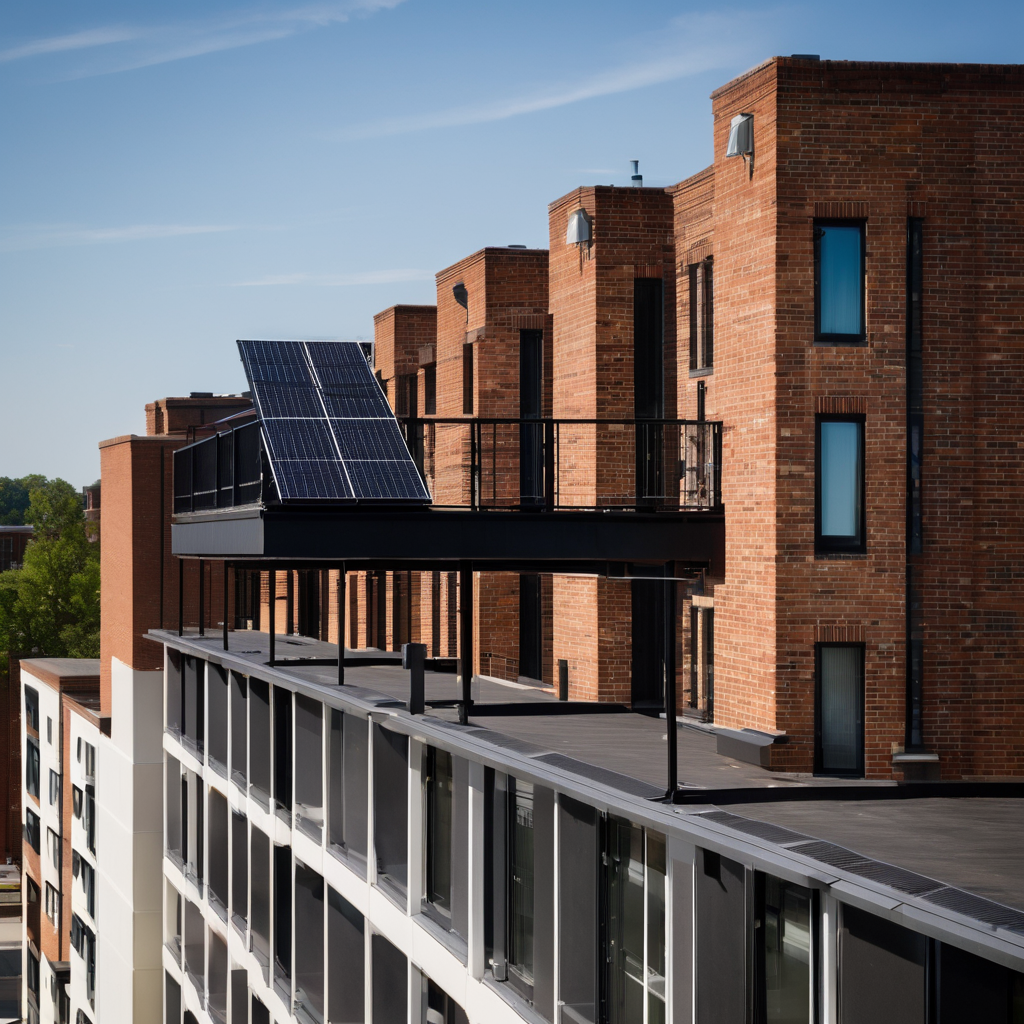
For millions of Americans living in apartments and condos, the solar revolution has been a spectator sport—something to watch enviously from balconies while homeowners across the street installed rooftop arrays and slashed their electricity bills. Virginia just changed that dynamic with groundbreaking legislation that transforms any balcony into potential solar real estate.
The Virginia legislature has passed a bill allowing residents to plug in "small portable solar generation devices" with up to 1,200 watts of capacity—enough to power a refrigerator, several LED lights, and charge multiple devices simultaneously. Think of it as solar democratization: finally extending clean energy access beyond the property-owning class to the 44 million American households that rent their homes.
Breaking Down the Balcony Solar Barrier
Until now, apartment dwellers faced an impossible choice: go without solar or move somewhere they could own a roof. Homeowners' associations, landlord restrictions, and complex electrical codes created an impenetrable wall between renters and renewable energy. Virginia's new law sledgehammers through these barriers with elegant simplicity.
The 1,200-watt limit isn't arbitrary—it's carefully calibrated. This capacity generates roughly 1,500-2,000 kilowatt-hours annually in Virginia's climate, enough to offset 20-30% of an average apartment's electricity consumption. More importantly, it stays below the threshold requiring complex grid interconnection studies or expensive electrical upgrades.
"This isn't just about solar panels—it's about energy justice. We're giving renters the same clean energy opportunities that homeowners have enjoyed for decades."
The Economics of Apartment Solar
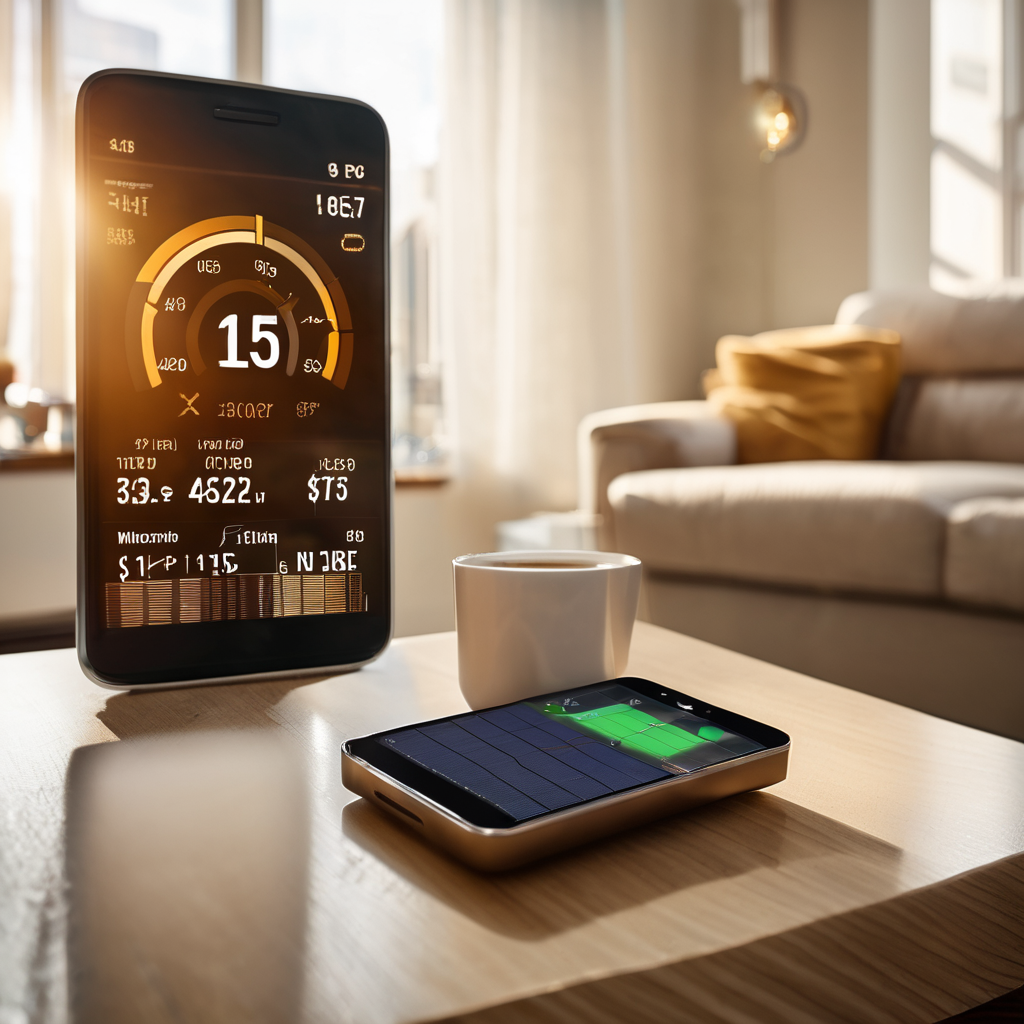
The math is compelling. A typical 1,200-watt balcony system costs $800-1,200 installed, paying for itself in 4-6 years through reduced electricity bills. Unlike rooftop solar requiring 20-year commitments, these portable systems move with renters—transforming from apartment amenity to personal asset.
For property owners, the legislation removes liability headaches while potentially increasing rental appeal. Forward-thinking landlords might even provide balcony solar as an amenity, differentiating their properties in competitive rental markets while reducing building-wide electricity costs.
Technical Innovation Meets Policy Progress
Virginia's timing aligns perfectly with technological maturity. Modern balcony solar systems feature plug-and-play installation, built-in safety shutoffs, and smartphone monitoring. German and Dutch markets have proven the concept works—millions of balcony solar installations operate safely across Europe with minimal grid disruption.
The 1,200-watt capacity ceiling addresses utility concerns about grid stability while maximizing consumer benefit. It's large enough to meaningfully impact electricity bills but small enough to avoid triggering complex interconnection requirements that have historically made small-scale solar installations bureaucratic nightmares.
Ripple Effects Across the Energy Landscape

Virginia's legislation could trigger a domino effect across the states. Housing advocates and environmental groups have been pushing similar measures nationwide, but Virginia's passage provides crucial precedent for other states weighing balcony solar bills.
The implications extend beyond individual savings. Widespread balcony solar adoption could reduce peak demand stress on aging electrical grids, decrease transmission losses by generating power closer to consumption points, and accelerate overall renewable energy adoption rates. When millions of apartment dwellers become solar stakeholders, the political dynamics around clean energy shift dramatically.
"We're potentially looking at the largest expansion of distributed solar access since net metering policies emerged in the 1990s."
This isn't just about adding more solar panels to the grid—it's about fundamentally expanding who gets to participate in the energy transition. Virginia just handed apartment dwellers across the state their first real chance to generate their own clean electricity, and the reverberations will likely extend far beyond the Commonwealth's borders. The solar revolution finally has room for everyone.