


By Matt Neal, President of North America, Siemens Energy
2026 is coming to a close and a proper celebration of our nation’s 250th birthday requires not only a look back at our storied past, but a dedication to building a prosperous future. The men and women that bravely serve our nation in uniform have long helped build such a future, during and after their military service. At Siemens Energy, I’m honored to know many veterans who have brought their unique experience and keen leadership to help our company meet America’s growing energy needs.
To remain a leading economy, the United States needs to produce more energy and strengthen the infrastructure that delivers it. Meeting this moment will take technology, investment and, above all, people. As a manufacturer of energy equipment, I have the utmost confidence in our machines and our ability to confront the next technological challenge. The more daunting task that I see before us is recruiting and training the people that will build today’s equipment and invent tomorrow’s solutions.
Siemens Energy is in the process of filling 1,500 jobs across this country. These are highly skilled manufacturing positions that require significant education and training. We have found success hiring veterans and want to increase our ability to recruit and retain these skilled and dedicated professionals. People like Mel Smith.
Mel’s father served in the United States Navy, and at 17 years old, Mel followed his family’s tradition of military service by joining the Air Force. He served our nation in uniform for 26 years as an aerospace propulsion engineer, keeping everything from fighter jets to heavy cargo aircraft in the air. In that time, he learned a series of valuable skills including how to build and service jet engines and manage complex propulsion programs.
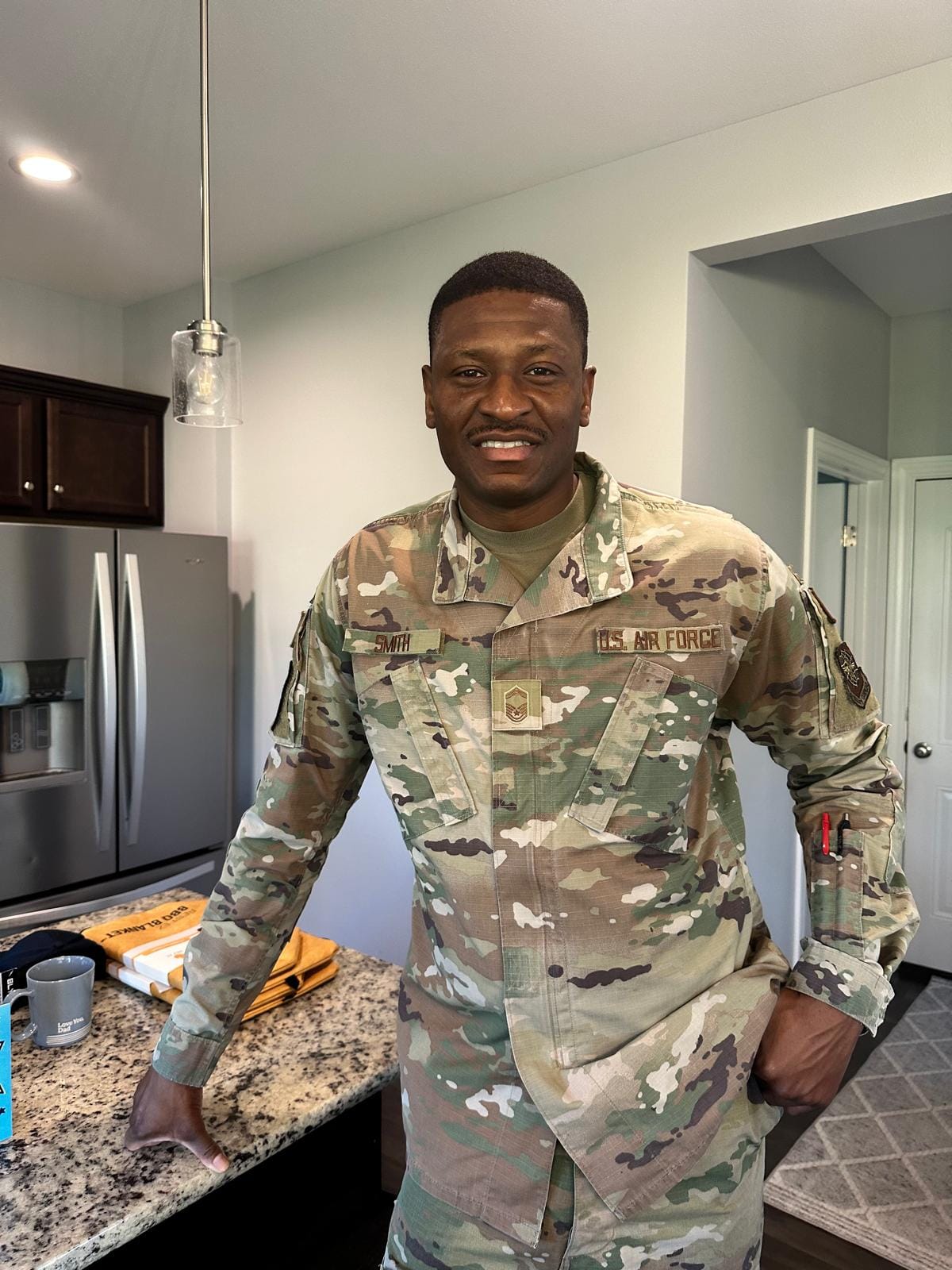
At the end of his military career, Mel was a Senior Master Sergeant and the program manager for all aspects of propulsion for the Air Force. With leadership training under his belt and 380 service members under his command, he oversaw the workforce development, operations and budgets for the entire fleet.
Mel was more intrepid than most when it came to planning for his career after the military. He took advantage of military programs for internships and reached out to mentors who gave him valuable advice. By 2024, he had polished his resume to a high shine when he came across a job listing for a gas turbine operations manager at Siemens Energy. He did not make the connection immediately, but when the recruiter saw Mel’s qualifications it was clear that someone with such deep experience in aerospace propulsion would fit right in. Siemens Energy moved Mel to Charlotte, NC from his last duty station in Illinois.
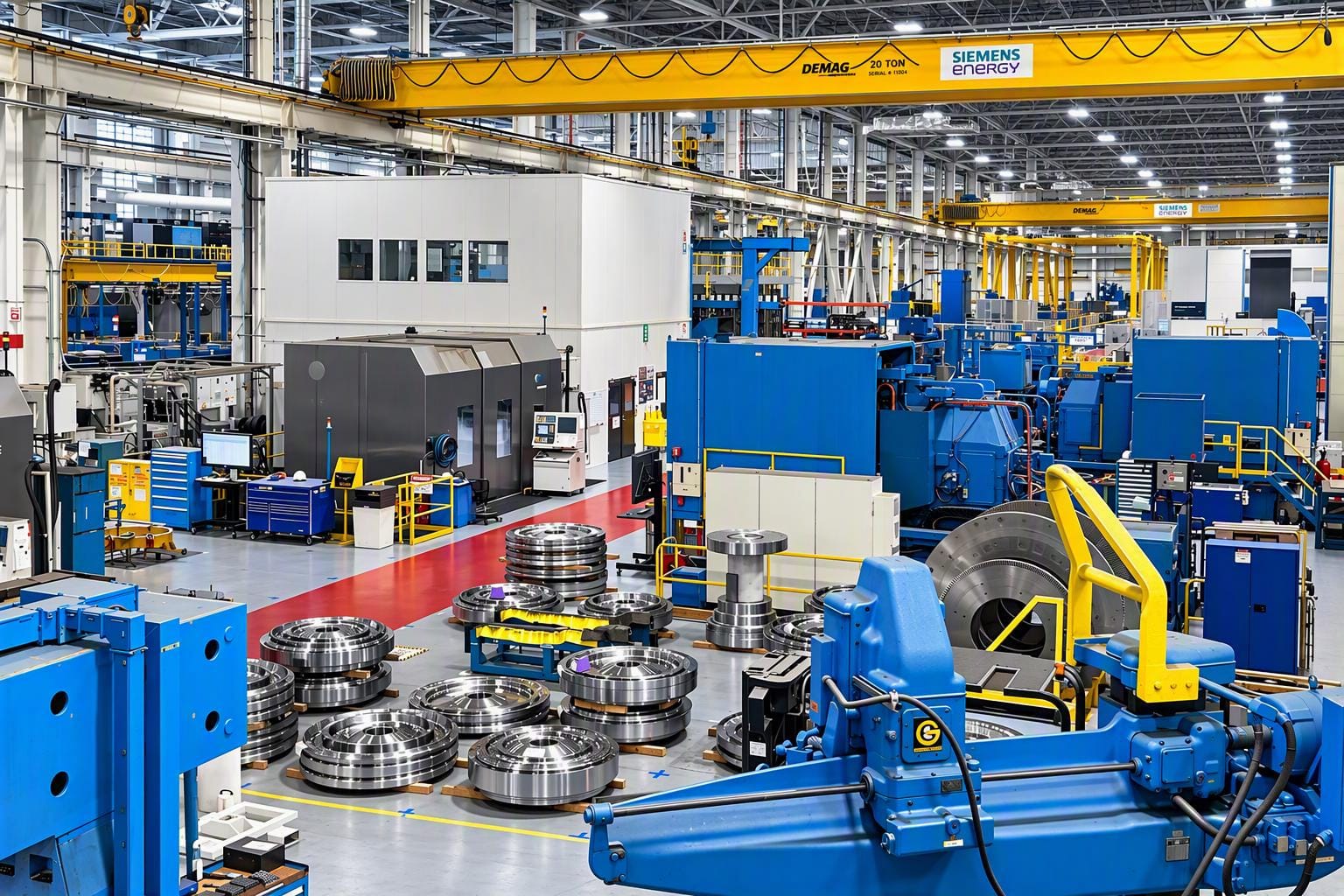
Today, Mel leads a 47-person team at our Charlotte Energy Hub that services gas turbines by disassembling, repairing and reassembling engines for customers around the world. His team also takes raw material and builds rotors for gas turbines being serviced and new machines being built at one of our factories across the globe. He says the primary structures of a jet engine and a gas turbine are the same: an intake, an exhaust, a compressor. The output is the major difference.
Mel admits he was fortunate that his skillset from the Air Force translated so naturally to his new career outside of service. He jokes that some of his biggest adjustments were buying civilian clothes and cleaning up his language for an office setting. Today, he’s helping other veterans make that transition, building community within our Charlotte Hub, helping with an annual company event for veterans and connecting with service members in his community who are preparing for civilian careers.
Mel counsels current service members, telling them that the civilian job search can be discouraging, but those making the transition should advocate for themselves and recognize the value of the skillset they built in the military. Employers value veterans’ skills, leadership and distinct problem-solving perspective when showcased properly. He found his military leadership training especially transferable to his civilian role.
My task as a leader at Siemens Energy is to continually improve our sourcing of talent and maintain a sustainable pipeline of qualified individuals, a system that results in more employees like Mel. We are heavily involved at technical schools and specialized educational institutions near our manufacturing sites. We are shaping curricula at these schools that foster the skills needed for the 21st century energy economy. We provide internships and apprenticeships in our facilities, and, once hired, employees undergo further training to specialize in specific areas of our business.
We also have programs developed by veterans for veterans, from online and in-person support groups to program management training. We’re continuously looking for ways to further expand these opportunities. One of the programs we continue to gain great value from is SkillBridge, a program that Mel took advantage of, which gives service members the opportunity to gain valuable civilian work experience through specific industry training, apprenticeships or internships during the last 180 days of service.
I want to live in a nation where every citizen has access to affordable and reliable energy. I also want to be proud of a country that treats those who protect us with dignity, respect and a pathway to a prosperous future after their service. We are stronger because of the experience veterans bring, and we must continue building clearer pathways for service members to bring their skills into the energy industry.
Matt Neal is the President of North America for Siemens Energy.


