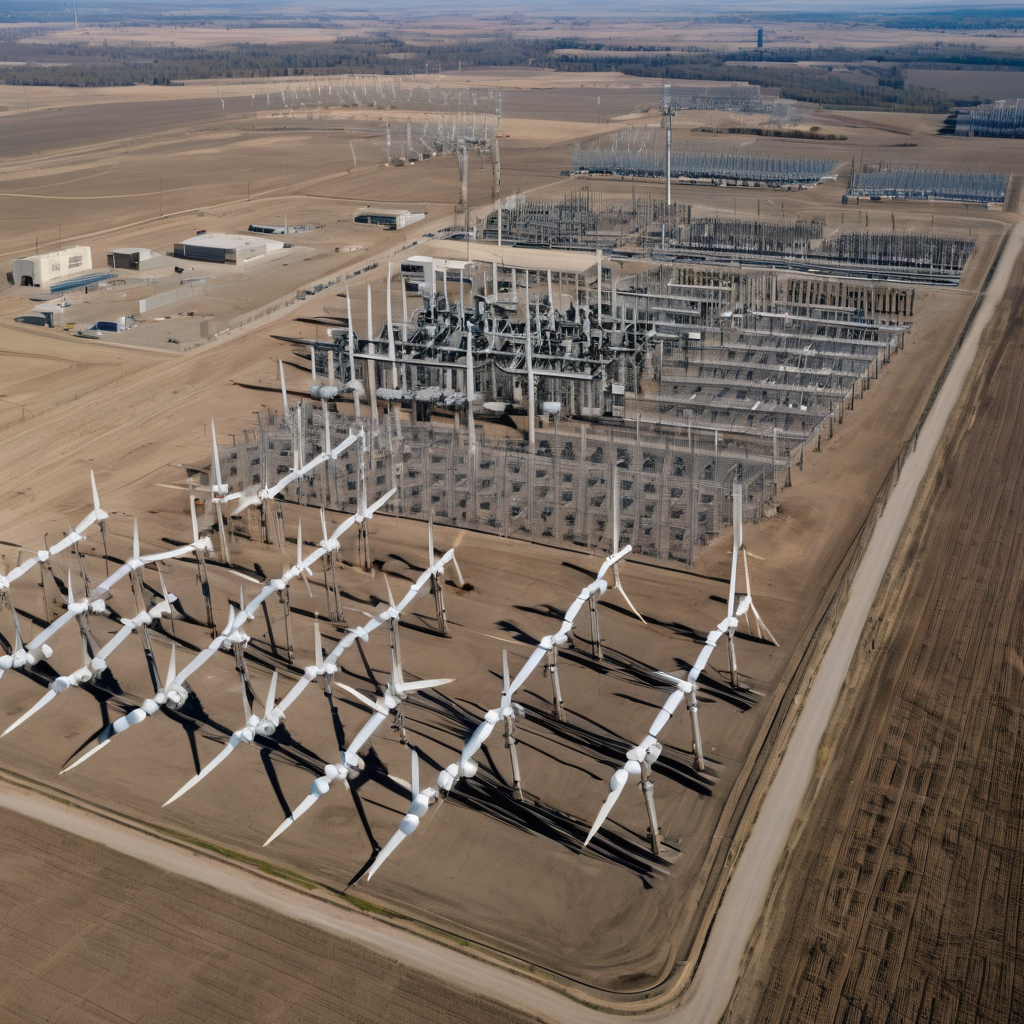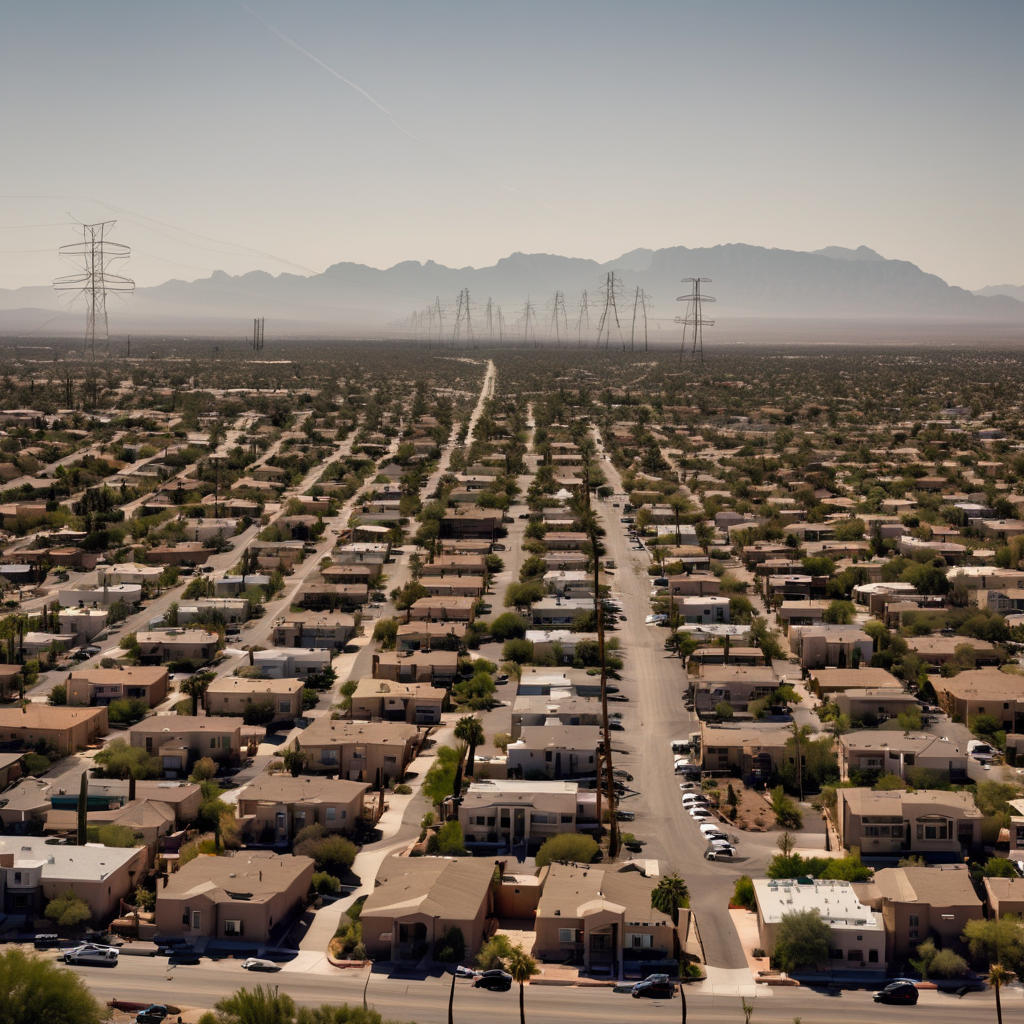
The battle for Tucson Electric Power has entered a new phase, armed with dueling calculators and competing visions of what public ownership would mean for Arizona's second-largest city. At the center of the storm: a $4 billion price tag that could reshape how 450,000 customers power their homes and businesses.
Like a high-stakes poker game where everyone claims to see the other player's cards, TEP and municipal takeover advocates are presenting radically different pictures of the same potential future. The utility's commissioned study from the Brattle Group paints a dire scenario where city control would cost ratepayers an additional $5.8 billion over two decades. Public power proponents, meanwhile, dismiss these figures as financial sleight of hand designed to protect shareholder profits.
The Mathematics of Municipal Power
Under their modeling, the Brattle Group's analysis found that a municipal takeover would require the city to purchase TEP's assets at fair market value—a sum they estimate at $4 billion. But that's just the opening bid in what could become the most expensive infrastructure acquisition in Tucson's history.
The real sticker shock comes in the operational projections. According to Brattle's calculations, the transition would trigger a cascade of increased costs: higher borrowing rates for municipal bonds, reduced operational efficiency, and the loss of economies of scale that come with TEP's broader regional network. These factors, they argue, would compound into billions in additional costs passed directly to consumers.
The fundamental question isn't just about ownership. It's about whether Tucson can manage a complex electrical grid more efficiently than a company that's been doing it for over a century.
This analysis arrives with its own conflict of interest clearly labeled. TEP commissioned the study, creating what critics see as a built-in bias toward conclusions that favor the status quo.
Public Power's Counter-Narrative
The public power movement draws inspiration from success stories across the American West, where cities from Los Angeles to Seattle operate massive electrical systems while maintaining rates below their investor-owned counterparts. These municipal utilities, advocates argue, prove that public ownership can deliver both reliability and affordability without the burden of generating returns for distant shareholders.
The mathematics look different when viewed through this lens. Instead of $5.8 billion in additional costs, public power supporters see $5.8 billion in potential savings redirected from corporate profits to community benefits. They envision faster renewable energy deployment, more aggressive energy efficiency programs, and local control over rate-setting decisions.
The Broader Energy Democracy Movement
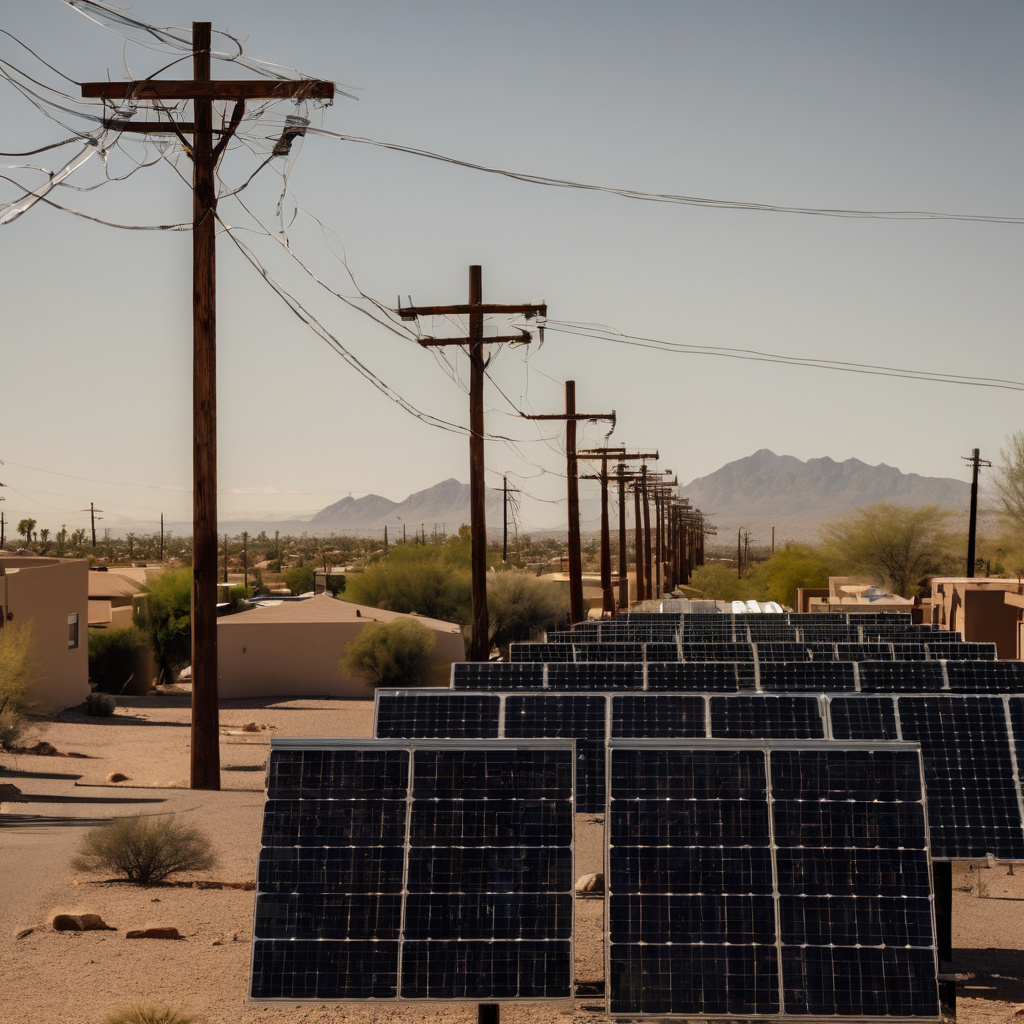
Tucson's municipal utility debate reflects a growing national conversation about energy democracy and local control. From Maine to California, communities are questioning whether investor-owned utilities—with their dual obligations to customers and shareholders—can adequately serve the public interest in an era of climate change and energy transition.
The timing isn't coincidental. As utilities across the Southwest grapple with extreme weather, aging infrastructure, and the imperative to decarbonize, communities are asking whether private ownership models are equipped for the challenges ahead. Municipal utilities, with their ability to make long-term investments without quarterly earnings pressure, offer an alternative pathway.
This isn't just about electricity rates. It's about who gets to decide how quickly Tucson transitions to renewable energy and whether climate goals take precedence over profit margins.
For Tucson specifically, the stakes extend beyond financial calculations. The city has committed to ambitious climate goals that may require utility cooperation, or utility transformation, to achieve. Public ownership would give city leaders direct control over energy policy, potentially accelerating solar deployment and grid modernization efforts.
What This Means for Energy Consumers
Strip away the competing studies and political rhetoric, and Tucson residents face a fundamental choice about their energy future. The decision will likely hinge on which set of assumptions proves more credible: TEP's warnings about municipal inefficiency or public power advocates' promises of community-controlled benefits.
The broader implications extend far beyond Arizona. If Tucson successfully navigates a municipal takeover—or if the effort collapses under financial reality—the outcome will influence similar debates brewing in communities across the country. Energy democracy advocates are watching closely, as are investor-owned utilities concerned about the precedent.
For now, the $4 billion question remains unanswered. Tucson's choice will ultimately depend on whether residents believe they can manage their own energy destiny more effectively than the corporation that's been doing it for them, and whether they're willing to bet billions on that belief.