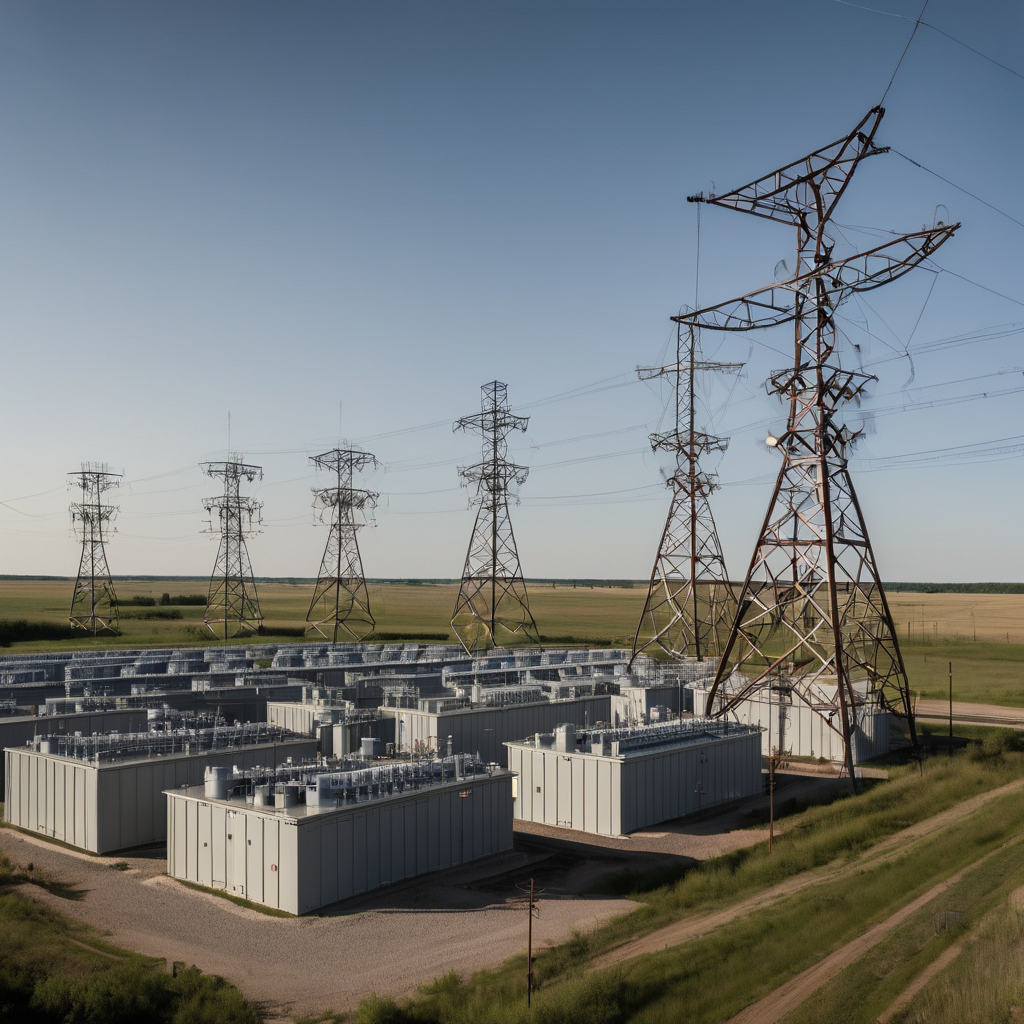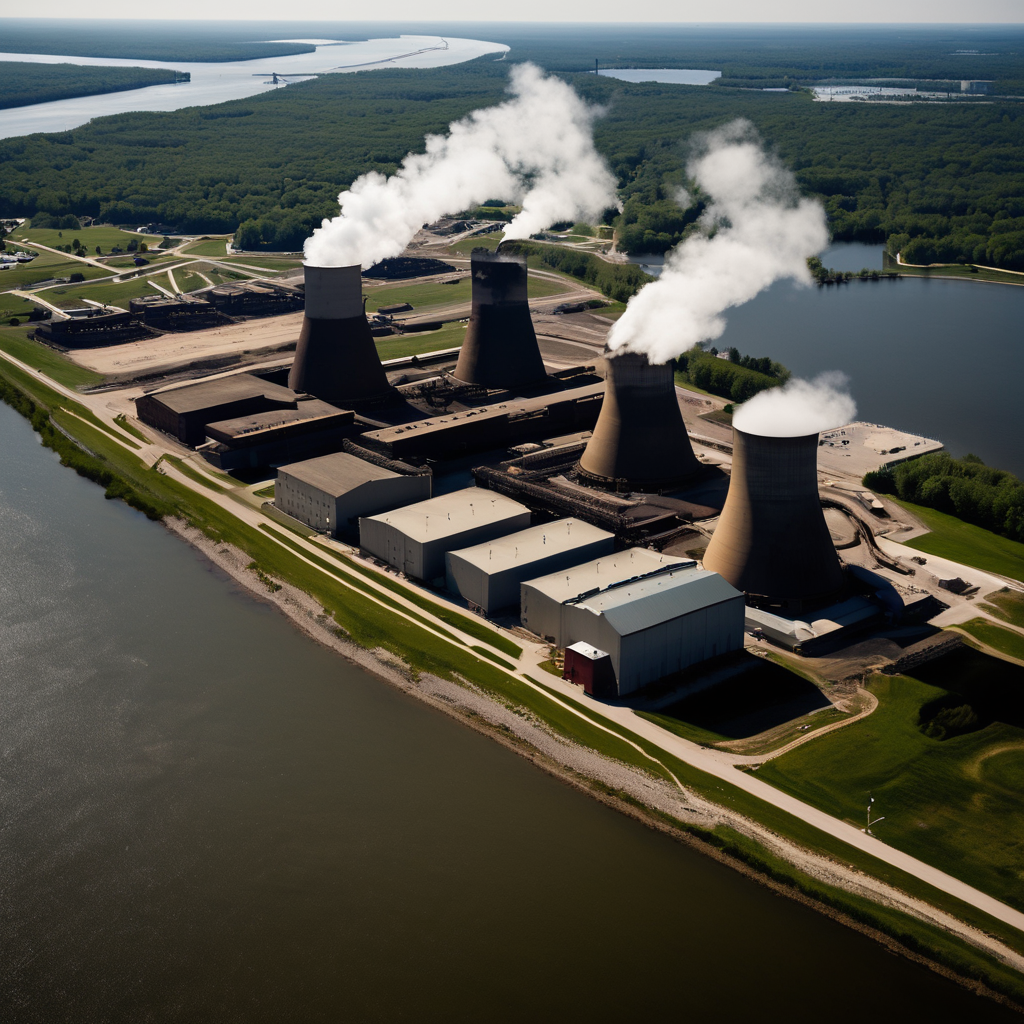
In the grand theater of America's energy transition, some of the most telling dramas play out not in boardrooms or legislative chambers, but at the weathered gates of aging power plants. The latest act unfolds along Lake Michigan's shoreline, where a stroke of presidential pen has granted a three-month reprieve to a coal-fired facility that was preparing for its final curtain call.
The Trump administration's intervention is a vivid illustration of how federal policy can ripple through local communities, utility balance sheets, and the broader trajectory of American energy. Like a chess game where every move carries consequences three steps ahead, this decision reverberates far beyond Ottawa County's borders.
The Political Machinery Behind Power Generation
Federal energy policy operates like a massive flywheel. Once set in motion, it takes enormous force to change direction. The Trump administration's decision to extend the Michigan plant's operational timeline exemplifies this momentum, demonstrating how political priorities can override market forces and regulatory schedules.
This isn't merely about keeping lights on or preserving jobs, though both factors matter enormously to local stakeholders. It's about the fundamental question of who gets to decide when and how America's energy infrastructure evolves. The federal government's ability to intervene in what might seem like local utility decisions underscores the interconnected nature of our power grid and the political stakes embedded in every kilowatt-hour.
The stroke of a pen in Washington can add months or years to a power plant's lifespan, regardless of what market forces or environmental regulations might otherwise dictate.
Market Forces Versus Political Will
The economics of coal power have shifted dramatically over the past decade, creating a landscape where political intervention increasingly stands as the primary bulwark against market-driven plant closures. Natural gas prices, renewable energy costs, and operational expenses have created a perfect storm that makes many coal facilities economically unviable.
Yet politics can temporarily suspend economic gravity. When federal officials decide to extend a plant's operational timeline, they're essentially placing a bet that political priorities can override market fundamentals ... at least for a while. This creates a tension between the invisible hand of the market and the very visible hand of government intervention.
The Michigan plant's three-month extension illustrates this dynamic perfectly. Market forces and environmental regulations had set the stage for closure, but political intervention has rewritten the script, at least temporarily.
The Ripple Effects on Energy Consumers
For energy consumers, these political interventions create both opportunities and uncertainties. On one hand, maintaining existing generation capacity can help ensure grid reliability and potentially moderate price volatility during peak demand periods. Coal plants, despite their environmental drawbacks, provide baseload power that can stabilize grid operations.
On the other hand, extending the life of aging infrastructure can delay investments in more modern, efficient alternatives. It's like choosing to keep an old car running instead of buying a more fuel-efficient model. The short-term costs might be lower, but the long-term economics often favor replacement.
Consumers also bear the indirect costs of political uncertainty in energy markets. When utilities can't predict whether federal policy will support or hinder their long-term planning, they tend to hedge their bets in ways that can ultimately increase costs for ratepayers.
The Broader Energy Transition Context
This Michigan coal plant extension occurs against the backdrop of a rapidly evolving energy landscape. Renewable energy costs continue to plummet, battery storage technology advances at breakneck speed, and grid modernization efforts accelerate across the country. In this context, extending coal plant operations raises questions about whether we're buying time for a managed transition or simply delaying inevitable changes.
The challenge for policymakers (and the communities they serve) lies in balancing immediate needs with long-term trajectories. Energy infrastructure decisions made today will influence American power generation for decades to come, making the stakes of these political interventions particularly high.
As legal challenges mount and the political landscape continues to shift, the Michigan plant's story serves as a microcosm of America's broader energy transition struggles. The question isn't whether change will come. Market forces and technological advancement make that inevitable. The question is whether political intervention can shape the pace and manner of that change, and at what cost to consumers, communities, and the environment. In the end, every month this plant continues operating writes another page in the complex story of how America powers its future.