America's residential solar industry is experiencing growing pains. Sunrun, the nation's largest provider of rooftop solar and battery subscriptions, reported declining installation volumes in Q4 2025, but the story beneath these numbers reveals a company deliberately reshaping itself for a fundamentally different energy future.
Think of it as the difference between selling individual flashlights and building the electrical grid itself. While Sunrun's traditional business of installing solar panels on individual homes faces headwinds from regulatory uncertainty, the company is quietly assembling something far more ambitious: virtual power plants that could transform how America manages electricity demand.
The Numbers Tell a Transformation Story
Sunrun's Q4 2025 installation volumes declined compared to previous quarters, a trend executives attributed to two primary factors: ongoing regulatory uncertainty in key markets and what they describe as a "business model shift." But this isn't a story about a company in retreat. Rather, it's the story of a company placing a calculated bet on where the energy industry is heading.
The regulatory uncertainty stems from policy changes across multiple states regarding net metering, or the system that allows homeowners to sell excess solar power back to the grid. When these policies shift, as they have in California and other major solar markets, installation demand can fluctuate dramatically. It's like trying to sell tickets to a concert when no one knows if the venue will still be available.
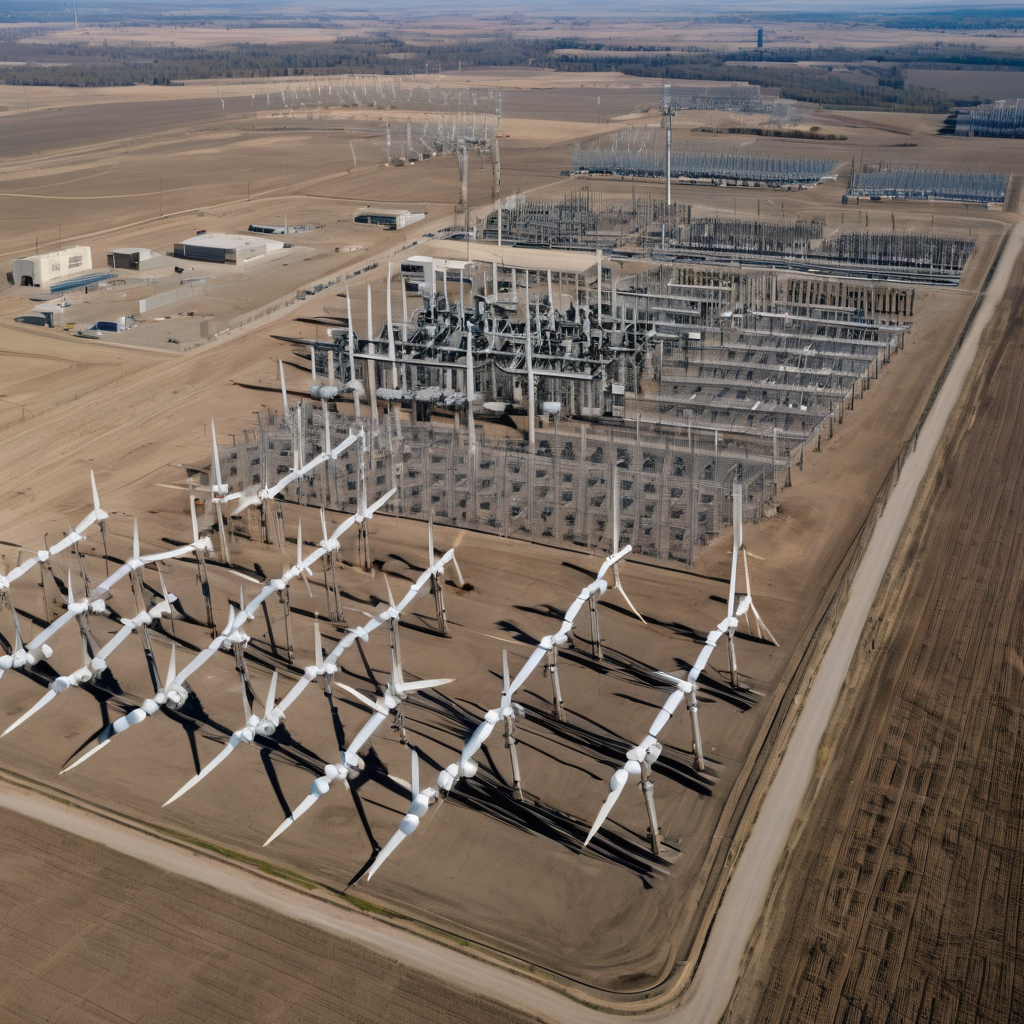
More intriguing is Sunrun's emphasis on business model transformation. The company is investing heavily in virtual power plant (VPP) capacity, which aggregates thousands of home batteries into a single, controllable resource that can provide grid services. Instead of just installing solar systems, Sunrun is building more a of a distributed utility.
Virtual Power Plants: The Grid's New Architecture
Virtual power plants represent a paradigm shift in how we think about electricity infrastructure. Traditional power plants are massive, centralized facilities that push electricity in one direction from generator to consumer. VPPs flip this model, creating networks of small, distributed energy resources that can both consume and provide power as needed.
Sunrun's VPP strategy leverages the batteries installed alongside residential solar systems. During peak demand periods, when electricity is most expensive and the grid is most stressed, these batteries can discharge power back to the grid. During off-peak hours, they recharge. The result is a more flexible, resilient electrical system that can respond to demand fluctuations in real-time.
For homeowners, this creates additional revenue streams beyond simple solar savings. Battery owners can earn money by participating in grid services, effectively turning their homes into mini power plants. For utilities, VPPs provide crucial grid stability services without requiring massive infrastructure investments.
Why This Matters for Energy Consumers
Sunrun's strategic pivot reflects broader changes reshaping the entire energy landscape. As renewable energy becomes cheaper and more prevalent, the challenge shifts from generating clean electricity to managing its variability. Solar panels produce power when the sun shines, but electricity demand peaks in the evening when people come home from work.
Virtual power plants solve this timing mismatch by storing excess solar energy during the day and releasing it when needed. This creates value for everyone involved: homeowners earn additional income, utilities get flexible capacity, and the broader grid becomes more stable and efficient.
The implications extend beyond individual households. As more homes become energy producers rather than just consumers, traditional utility business models face pressure to evolve. Companies like Sunrun are positioning themselves as intermediaries in this new energy ecosystem, managing the complex coordination required to turn millions of individual energy resources into reliable grid assets.
Looking Ahead: The 2026 Outlook
Sunrun's executives indicated that 2026 performance will depend heavily on how quickly regulatory frameworks adapt to support distributed energy resources. States that embrace VPP participation and maintain favorable net metering policies will likely see continued solar growth. Those that don't may see installation volumes remain subdued.
This regulatory uncertainty creates both risk and opportunity. Companies that can navigate the evolving policy landscape while building VPP capabilities will be well-positioned for long-term growth. Those that remain focused solely on traditional installation metrics may struggle.
The broader trend toward electrification through electric vehicles, heat pumps, all-electric homes and other technologies, will increase both electricity demand and the value of distributed storage. Homes equipped with solar panels, batteries, and smart energy management systems will become increasingly valuable grid assets.
Sunrun's Q4 results suggest we're witnessing the early stages of a fundamental transformation in how America's energy system operates. While installation volumes may fluctuate with policy changes, the underlying shift toward distributed, flexible energy resources appears irreversible. The question isn't whether virtual power plants will become mainstream, but how quickly utilities and regulators will adapt to support them.