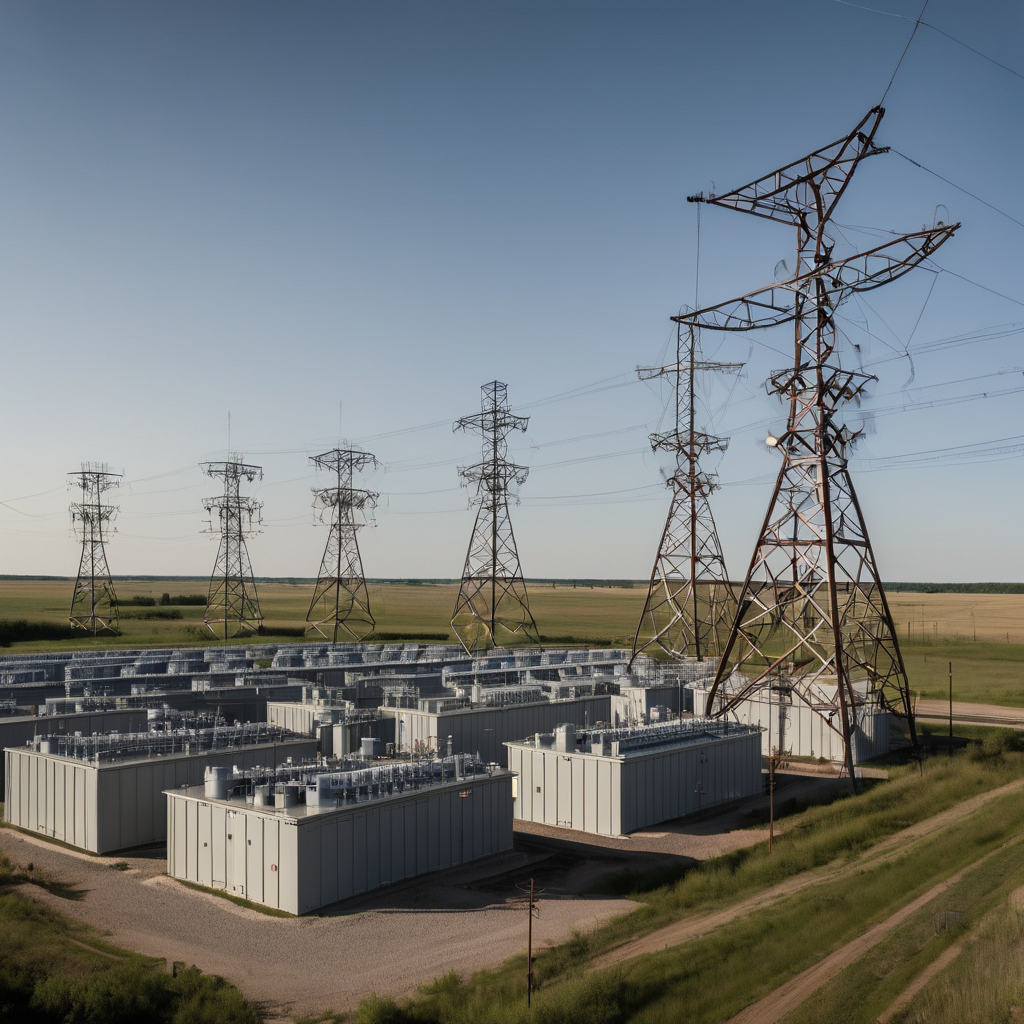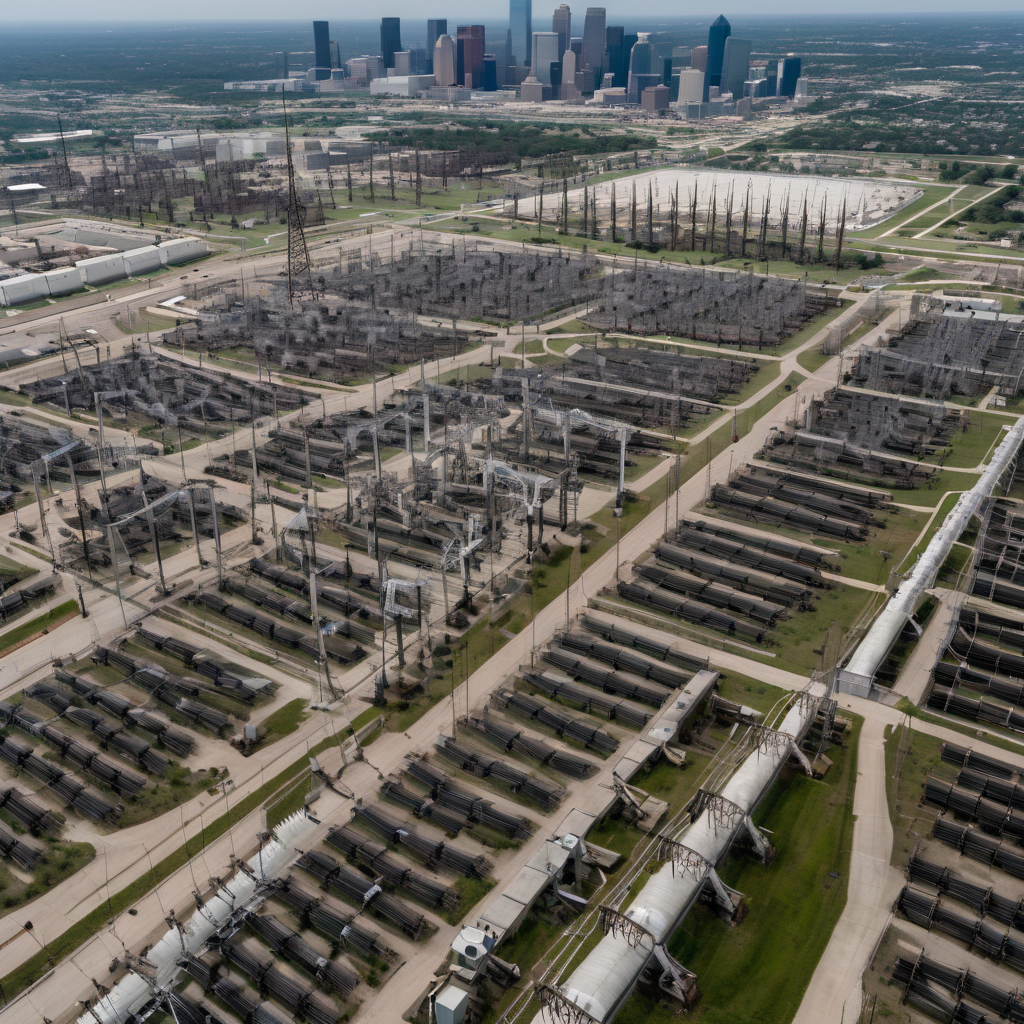
The surge in data center development across the United States is reshaping the energy landscape. In the Gulf South, one utility says those investments are already delivering tangible benefits for customers.
Entergy recently announced that agreements with major technology companies building large scale data centers across its service territory are expected to generate approximately $5 billion in savings for customers over the next two decades. The savings will benefit about 2.3 million customers in Arkansas, Louisiana, and Mississippi, according to the company.
The agreements are tied to a wave of digital infrastructure investment from companies such as Amazon Web Services, Meta, Google, Avaio Digital, and Hut 8, which are building data centers to support cloud computing, artificial intelligence, and expanding digital services.
For utilities, the arrival of these large electricity users represents a rare alignment of economic development and ratepayer protection.
A New Model for Energy Growth
Entergy’s approach is centered on ensuring that new data center customers pay the full cost of the electricity infrastructure required to serve them, while also creating benefits for existing customers.
The company has outlined a framework it calls “Fair Share Plus,” designed to guide future data center agreements. The principle is simple: new large customers should cover their costs and contribute additional value that helps offset expenses for everyone else on the grid.
Under this model, revenues from new data center projects can reduce pressure on electricity rates, support new infrastructure investment, and help accelerate economic development across the region.
Entergy CEO Drew Marsh described the approach as a collaborative effort between utilities, regulators, and state leaders to make sure the growth of high tech industries benefits communities as well as corporate customers.
What the Savings Look Like
The projected savings are spread across three states in Entergy’s service territory.
Mississippi customers are expected to see more than $2 billion in savings, Arkansas customers approximately $1.7 billion, and Louisiana customers about $800 million.
In several cases, data center revenues are helping offset the costs of major infrastructure upgrades or power plant replacements that otherwise could have placed a larger burden on existing customers.
For example, revenues associated with data center development in Mississippi are helping reduce costs tied to replacing aging generation facilities.
The Data Center Energy Boom
The announcement comes as the United States experiences a rapid expansion of data centers fueled by artificial intelligence, cloud computing, and digital services.
Demand for electricity from data centers is expected to grow dramatically over the next decade. Some projections suggest the sector could account for up to 12 percent of U.S. electricity demand by 2030, up from roughly 3 to 4 percent today.
That growth is pushing utilities, regulators, and technology companies to rethink how large new loads connect to the grid and how the costs of serving them are shared.
In regions like the Gulf South, utilities are increasingly positioning themselves to attract these projects while ensuring that existing customers benefit from the economic activity they generate.
A Broader Economic Impact
Beyond electricity rates, large scale digital infrastructure projects are expected to deliver major regional investment.
Entergy estimates that the data center developments tied to its agreements could generate roughly $47 billion in economic investment across its service territory, along with thousands of high tech jobs and additional local tax revenue.
For communities across Arkansas, Louisiana, and Mississippi, that combination of infrastructure growth, technology investment, and lower electricity costs represents a new chapter in the region’s economic development.
The Bigger Energy Story
The rise of data centers is quickly becoming one of the defining forces shaping the future of the power grid.
For utilities, the challenge is not simply meeting the enormous electricity demand that comes with these facilities. It is doing so in a way that strengthens the grid, protects customers, and supports long term economic growth.
In the Gulf South, the latest agreements suggest that when structured carefully, the digital economy can help deliver all three.