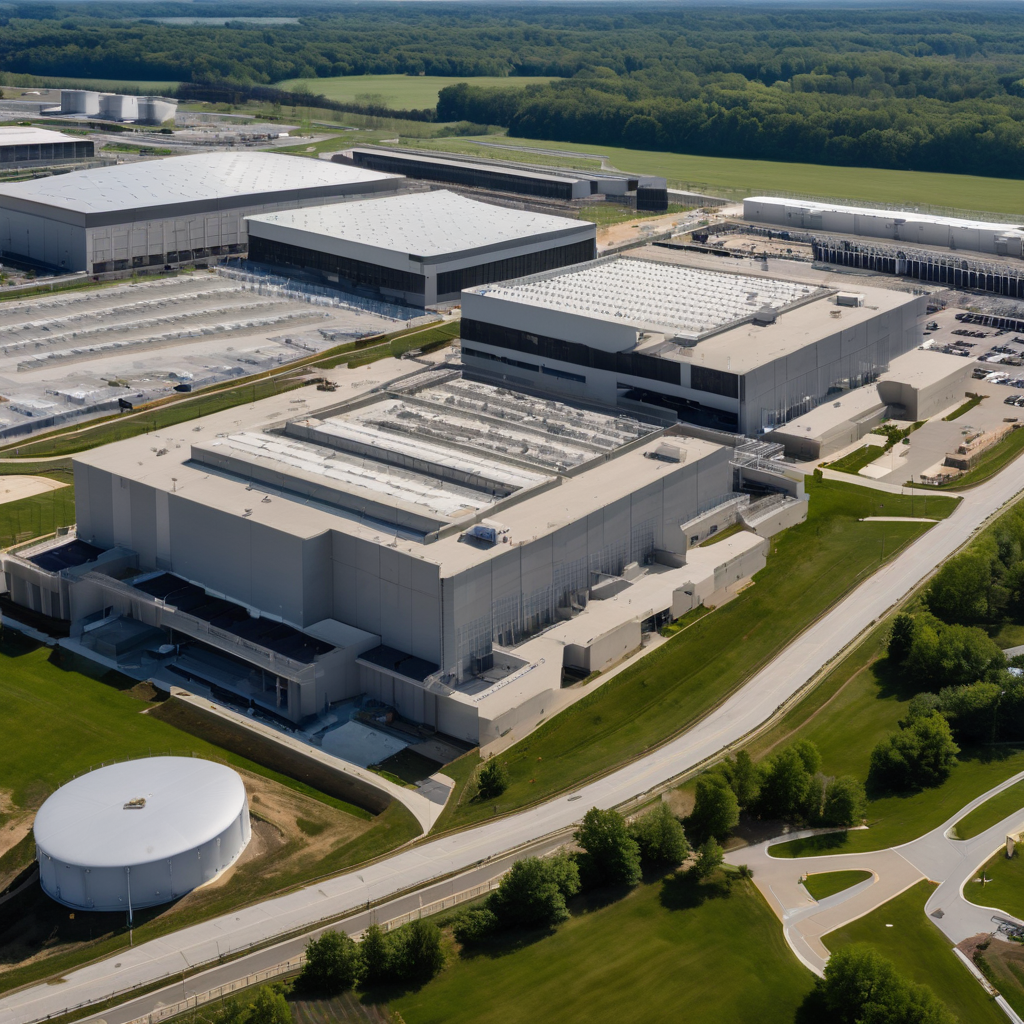
The digital economy's voracious appetite for computing power is creating a gold rush for infrastructure companies, and Schneider Electric has struck a particularly rich vein. The French industrial giant's data center division has emerged as its standout performer, with orders accelerating sharply toward the end of 2025 and showing no signs of slowing through 2026.
This surge isn't just another quarterly blip but rather the visible manifestation of a fundamental shift in how our economy processes information. As artificial intelligence applications proliferate and cloud computing becomes ever more central to business operations, the physical infrastructure supporting our digital lives is experiencing unprecedented strain.
The Infrastructure Behind the AI Revolution
Think of data centers as the power plants of the digital age. Just as the industrial revolution required massive investments in coal-fired generators and electrical grids, the AI revolution demands equally substantial commitments to computing facilities and their supporting systems. Schneider Electric, with its expertise in power management and cooling systems, finds itself well positioned at this intersection of physical and digital infrastructure.
Company executives report that projects planned for the next 18 to 24 months are already taking shape, suggesting this isn't a speculative bubble but a measured response to genuine demand. The timeline reflects the complex reality of data center development. These aren't facilities you can spin up overnight.
Why This Matters for Energy Consumers
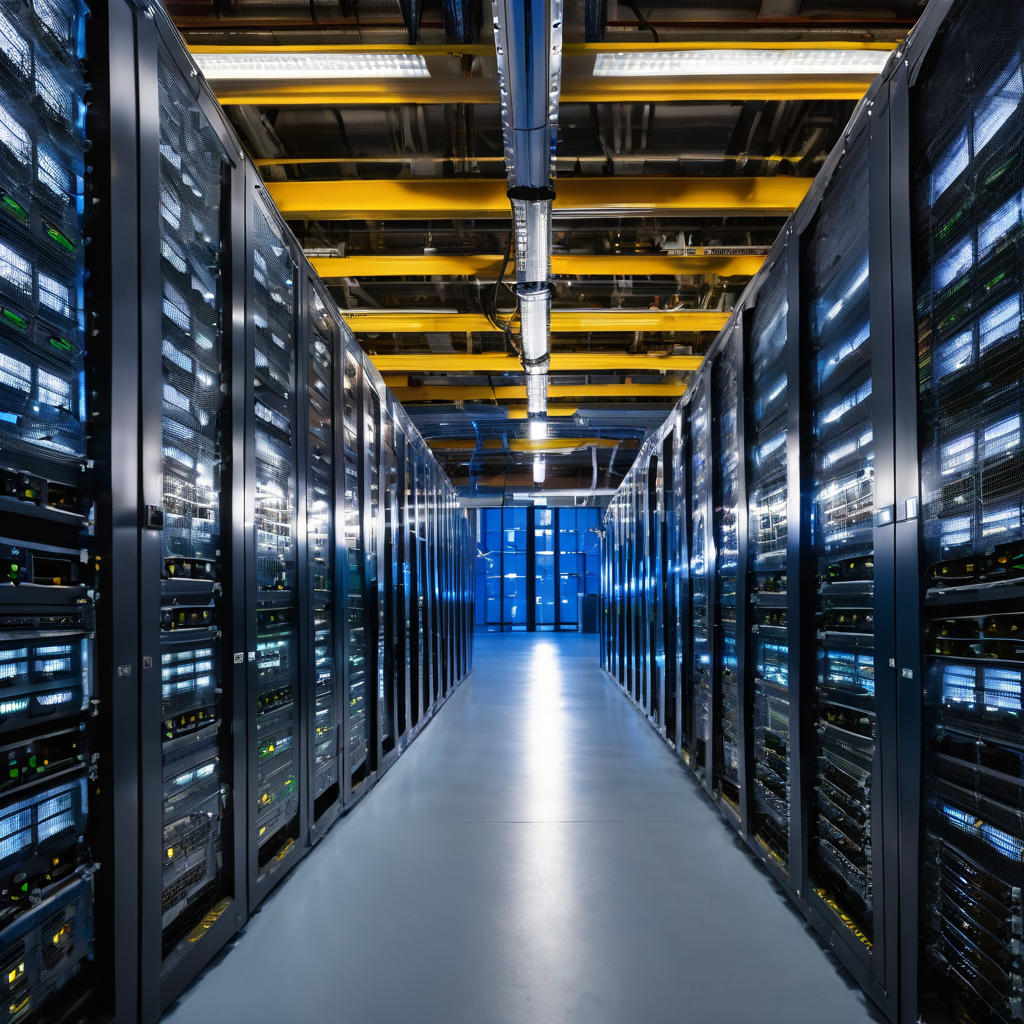
The data center boom carries profound implications that extend far beyond Schneider's quarterly earnings. Every new facility represents a significant addition to electrical demand, potentially affecting grid stability and energy prices in regions where these centers cluster.
The ripple effects touch everything from local utility planning to renewable energy development. Data centers typically require 24/7 power availability, driving demand for both baseload generation and sophisticated backup systems. This creates opportunities for clean energy developers, but also challenges for grid operators managing increasingly complex power flows.
For consumers, the expansion translates into both benefits and costs. Enhanced digital services and AI capabilities improve everything from traffic routing to medical diagnostics. However, the energy intensity of these operations inevitably influences regional energy markets.
The Broader Market Signal
Schneider's success in the data center market serves as a bellwether for the entire digital infrastructure sector. When a company with deep expertise in industrial power systems sees sustained order growth, it signals that customers are making long-term commitments backed by serious capital.
This trend extends beyond individual company performance to reflect a fundamental rewiring of the global economy. The infrastructure investments happening now will shape technological capabilities for decades to come, much as the interstate highway system defined transportation patterns for generations.
The acceleration in orders also suggests that earlier predictions about AI's infrastructure requirements may have been conservative. As machine learning models grow more sophisticated and widespread, their computational demands are proving even more substantial than initially anticipated.
For investors and industry observers, Schneider's data center momentum offers a window into one of the most significant infrastructure buildouts in modern history. The company's position—providing the essential but often invisible systems that keep servers running—makes it a reliable indicator of genuine demand rather than speculative investment.