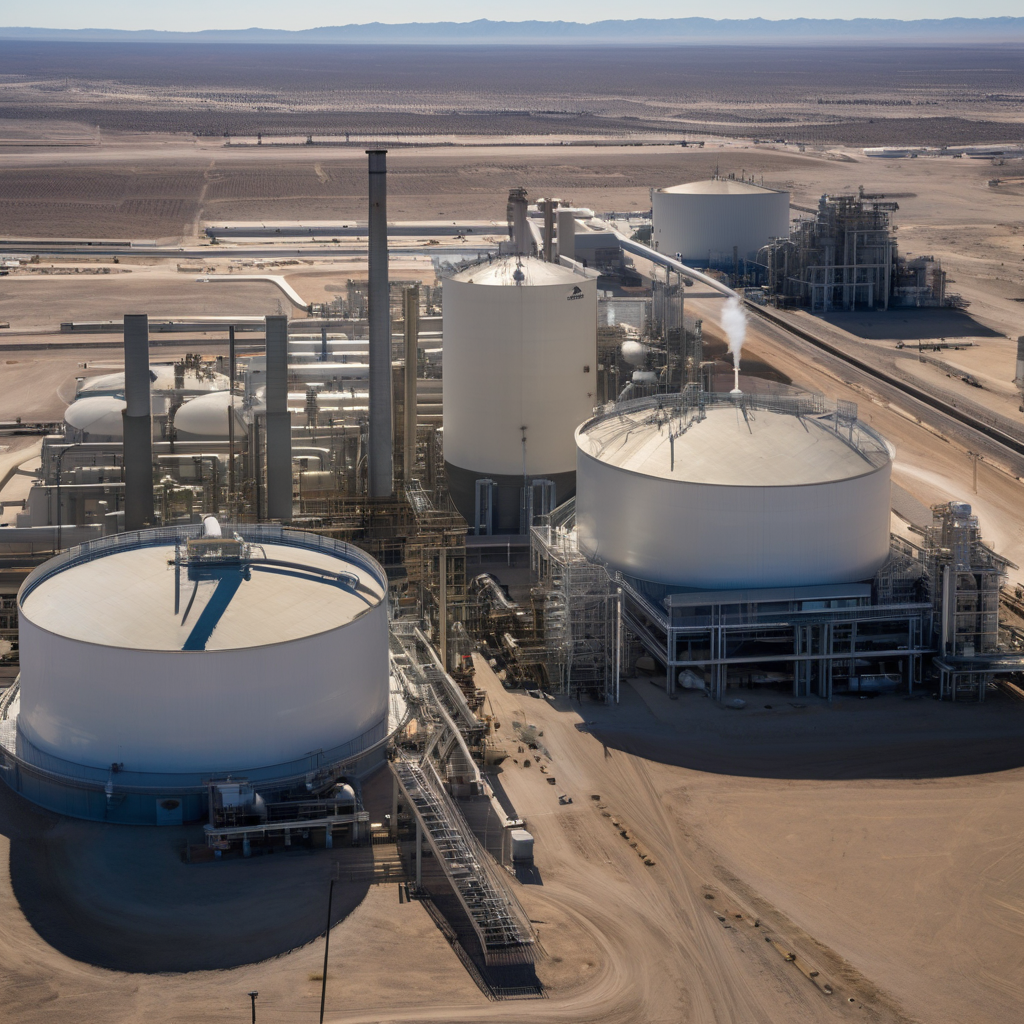
After months of watching from the sidelines, German energy giant RWE is placing its chips squarely on the American energy table. The utility announced plans for a nearly $20 billion investment spree across the United States, marking a dramatic reversal from its previous wait-and-see approach that had left crucial infrastructure projects in limbo.
Think of it as corporate whiplash in the best possible way. Where uncertainty once paralyzed decision-making, regulatory clarity has unleashed a torrent of capital that could reshape how Americans power their homes and businesses for decades to come.
From Paralysis to Action: The Policy Catalyst
RWE's investment freeze wasn't born in a boardroom. It was forged in the crucible of trade war uncertainty. Tariff threats had turned long-term infrastructure planning into a high-stakes guessing game, forcing executives to shelve billion-dollar decisions while they waited for the political dust to settle.
The breakthrough came with last year's One Big Beautiful Bill, a piece of legislation that RWE officials credit with providing the regulatory roadmap they desperately needed. Like a traffic light finally turning green after an interminable red, the policy clarity has unleashed pent-up investment energy that had been building for months.
The regulatory environment has shifted from obstacle to opportunity, and when you're talking about infrastructure that operates for 30-plus years, policy certainty isn't just helpful—it's essential.
Gas Peakers: The Grid's Insurance Policy
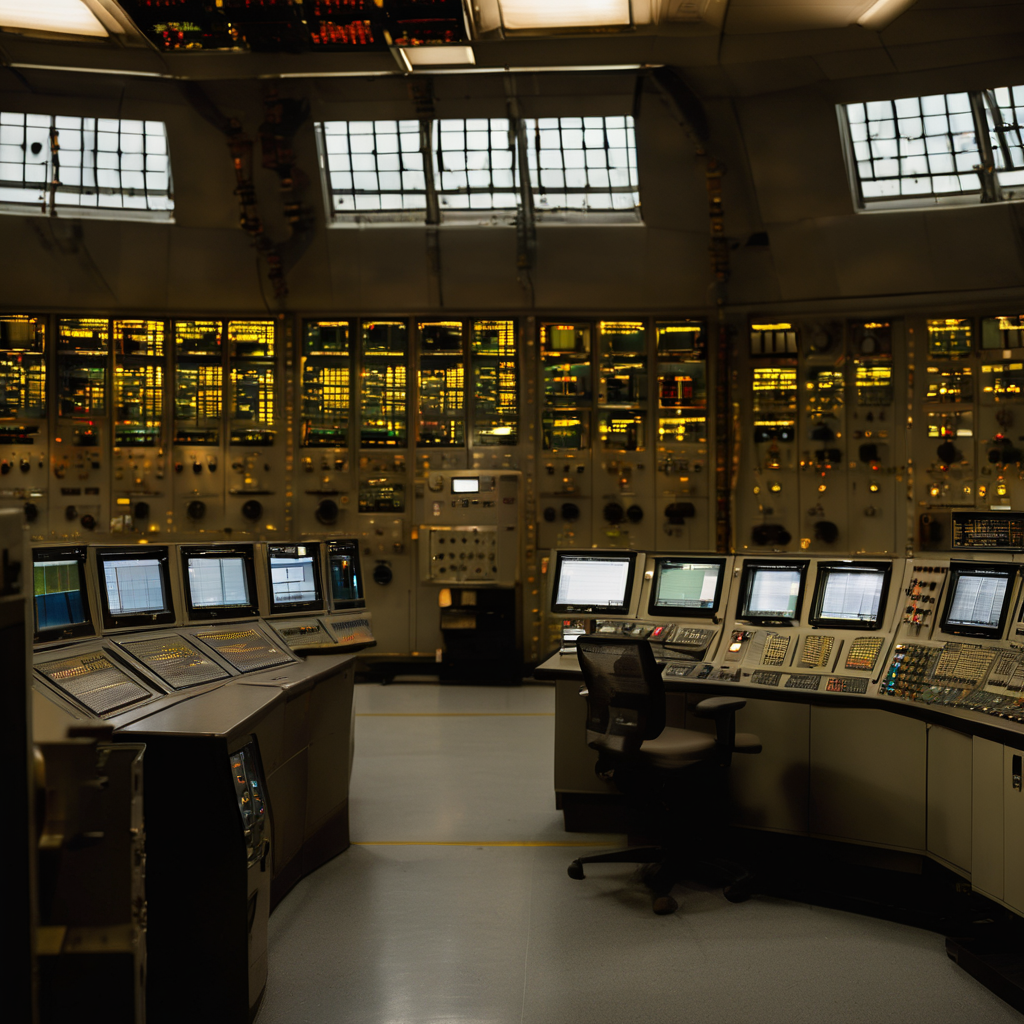
At the heart of RWE's American gambit lies a technology that sounds mundane but serves a critical function: natural gas peaker plants. These facilities operate like the grid's insurance policy, sitting quietly most of the year but springing into action when electricity demand spikes or renewable sources fall short.
Picture the electrical grid as a massive, complex orchestra. Solar and wind provide the steady baseline melody, but when the music suddenly needs to crescendo during a summer heat wave or winter freeze, natural gas peaker plants are the percussion section that kicks in to keep the rhythm steady. Without them, the whole performance risks falling apart.
The investment timing reflects a broader industry recognition that America's transition to cleaner energy paradoxically requires more flexible fossil fuel backup, at least in the near term. As renewable penetration increases, the grid needs nimble resources that can ramp up quickly when the wind doesn't blow or the sun doesn't shine.
Why This Matters for American Energy Consumers
For the average American flipping a light switch, RWE's investment represents something more tangible than corporate financial maneuvering—it's about keeping the lights on during the energy transition. The company's commitment signals confidence in America's long-term energy market stability, which should translate into more reliable power supply and potentially more competitive electricity prices.
The broader implications extend beyond immediate grid reliability. Foreign investment of this magnitude validates America's position as a global energy leader, even as the sector undergoes fundamental transformation. It's a vote of confidence in American infrastructure, regulatory frameworks, and market dynamics.
Moreover, RWE's move could catalyze similar investments from other international players who have been sitting on the fence. When a major European utility commits $20 billion to American energy infrastructure, it sends a powerful signal that the investment climate has fundamentally shifted.
RWE's American energy bet represents more than just capital allocation. It's a strategic wager on the future of power generation in a rapidly evolving market. As policy uncertainty gives way to regulatory clarity, expect more international energy giants to follow suit, bringing both capital and expertise to America's complex energy transition.