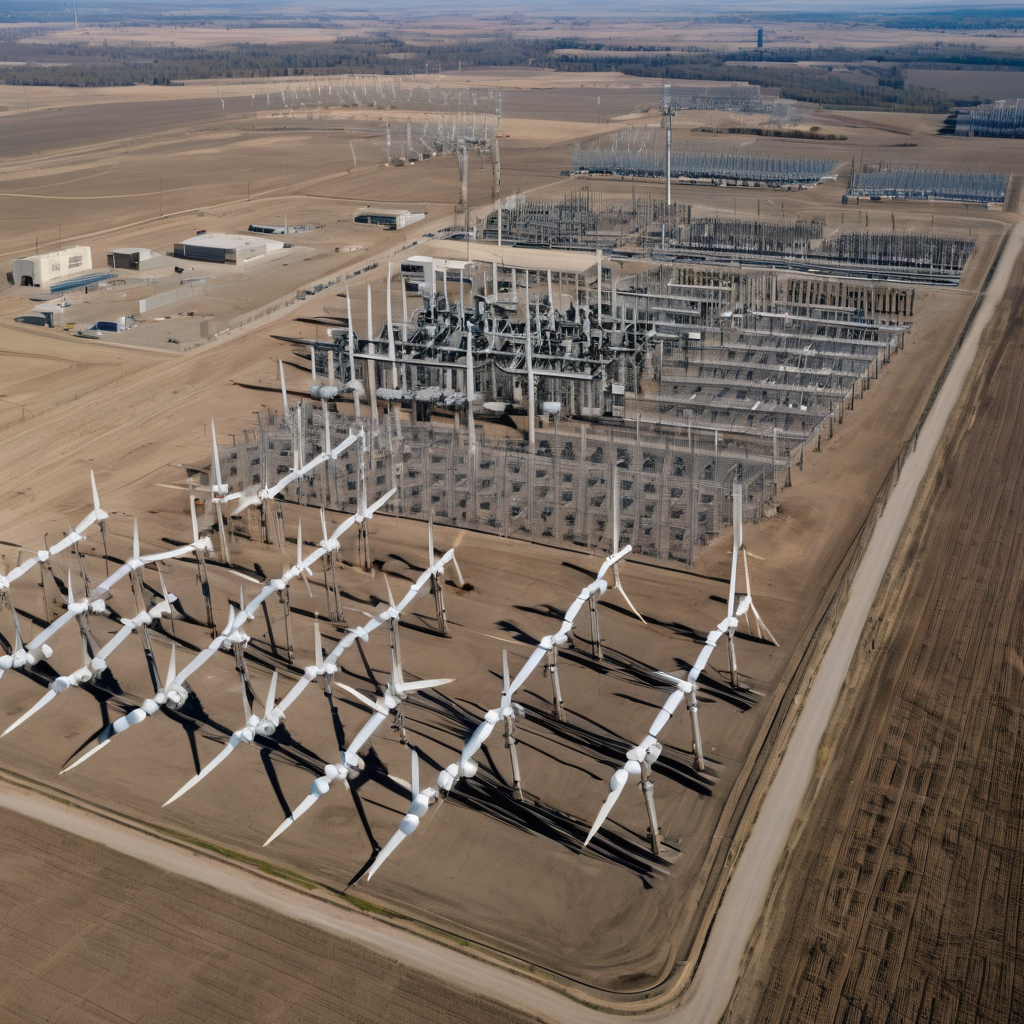
Like water finding its way downhill, renewable energy continues its inexorable march across America's power grid, reaching a historic milestone that would have seemed impossible just a decade ago. In 2023, wind, solar, and other clean sources generated more than a quarter of all electricity in the United States—a record that stands as testament to the raw economic power of technological progress.
This achievement arrives not despite political opposition, but because of something more fundamental: the mathematics of energy economics have shifted permanently in favor of renewables. While political winds may change direction, the cost curves of solar panels and wind turbines follow only the laws of physics and manufacturing scale.
The Economics That Politics Can't Touch

The renewable energy surge reflects a simple truth that transcends partisan politics: when technologies become cheaper than alternatives, markets adopt them regardless of what politicians prefer. Solar costs have plummeted by 90% over the past decade, while wind power has dropped between 40-50%. These aren't subsidized prices. They're the real cost of electrons flowing into the grid.
For energy consumers, this translates into a fundamental shift in how America powers itself. The quarter-milestone means that on any given day, the electricity running your refrigerator, charging your phone, or powering your local hospital increasingly comes from sources that produce no fuel costs and minimal ongoing expenses.
Infrastructure Momentum Builds Its Own Gravity
Beyond pure economics lies something even more powerful: infrastructure momentum. Once built, renewable energy facilities create their own gravitational pull in the energy ecosystem. A wind or solar farm generates electricity for 20-30 years with minimal maintenance.
This infrastructure momentum explains why renewable growth has continued regardless of changing political administrations. Utilities make long-term capital decisions based on 20-year cost projections, not four-year political cycles.
What This Means for the Energy Future
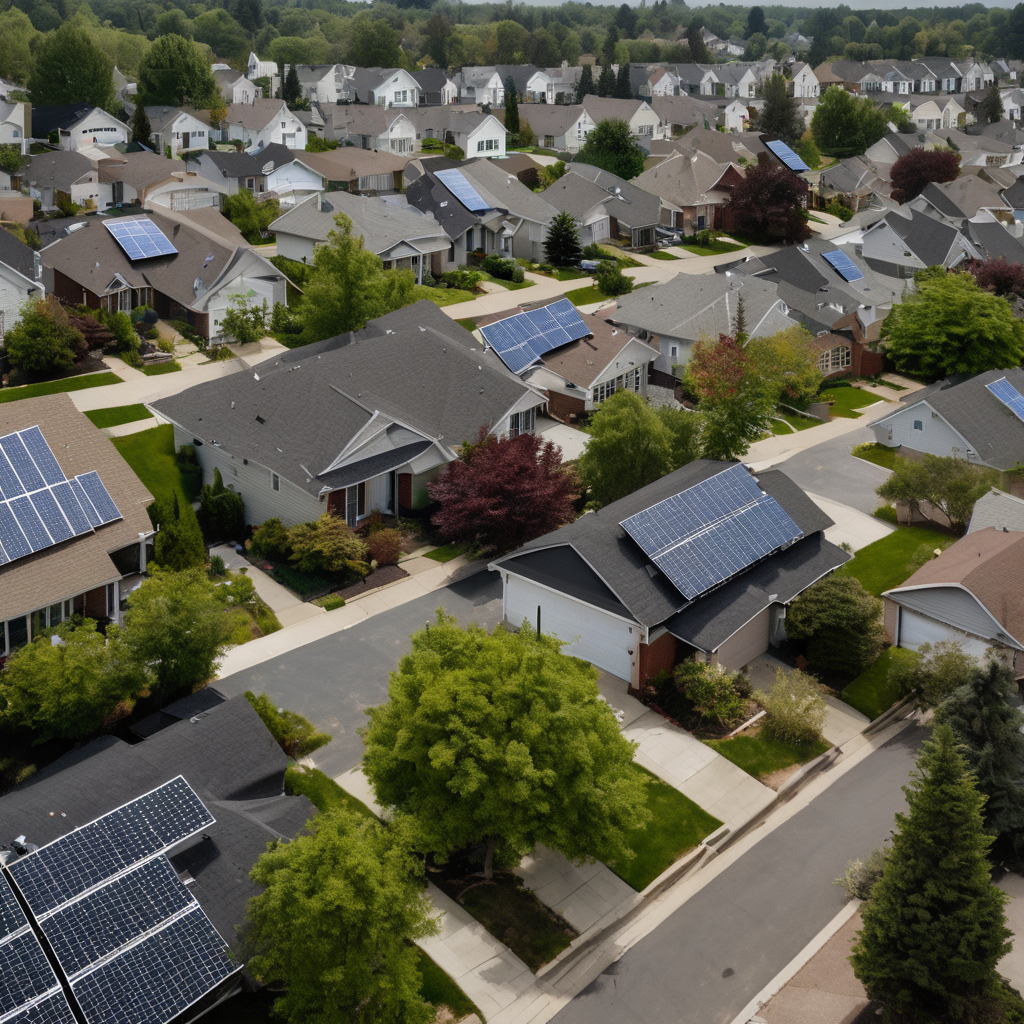
For American households and businesses, the 25% milestone signals the beginning of a new energy reality. Electricity prices increasingly decouple from volatile fossil fuel markets, offering more predictable long-term costs. Regional grids with higher renewable penetration already demonstrate lower wholesale power prices during peak generation hours.
The ripple effects extend beyond monthly utility bills. Energy-intensive industries are relocating to regions with abundant renewable resources, creating new economic geographies. Data centers follow cheap, clean electricity. Manufacturing plants chase reliable renewable power sources.
This transformation also reshapes energy security in profound ways. A grid powered by domestic wind and solar depends less on global commodity markets and geopolitical stability in distant regions. Energy independence takes on new meaning when the fuel—sunshine and wind—arrives free every day.
The 25% milestone isn't just a number on a chart; it's a signal that America's energy transformation has moved beyond the realm of environmental advocacy into the hard reality of economic inevitability. As this percentage grows toward 30%, then 40%, the changes will become impossible to ignore, touching every aspect of how we power our lives and economy.