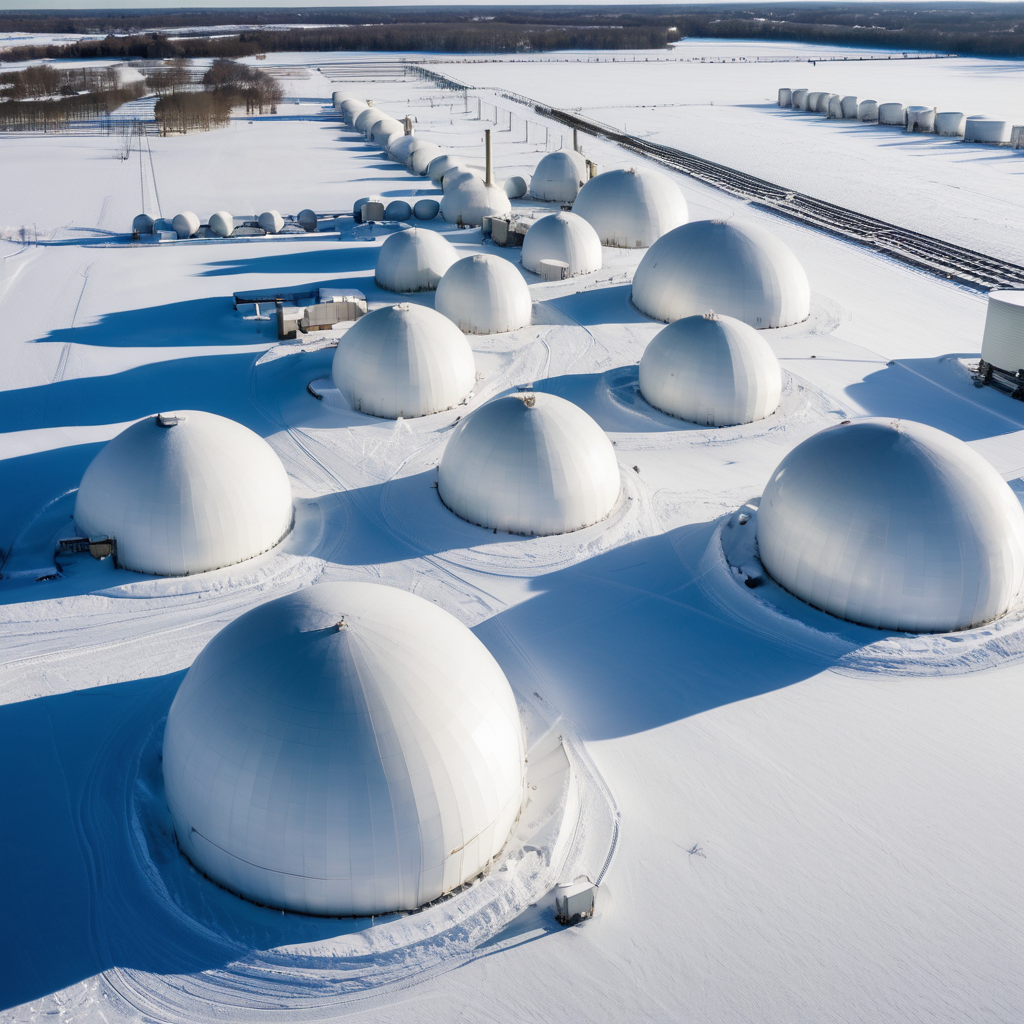
In the landscape of energy innovation, sometimes the most transformative technologies come wrapped in the most unassuming packages. Case in point: what Minnesota utilities are playfully calling 'magic balls,' a thermal energy storage system that could fundamentally reshape how we think about grid flexibility and renewable energy integration.
These aren't your average energy storage devices. While lithium-ion batteries dominate headlines, thermal storage represents a different approach entirely – one that captures excess renewable energy not as electricity, but as heat, storing it in specially designed materials that can release that energy back to the grid when demand peaks.
The Science Behind the Magic
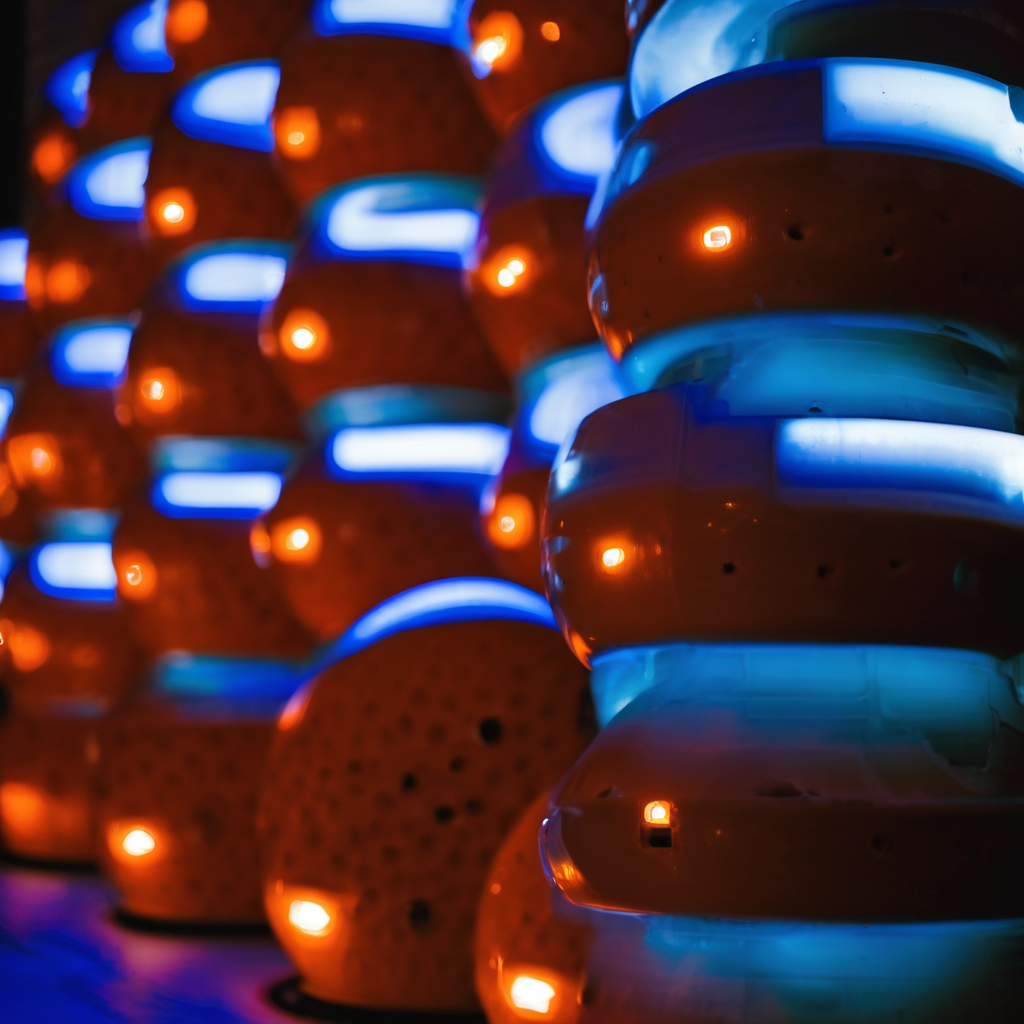
The technology works on a deceptively simple principle: when renewable energy production exceeds demand, the excess electricity heats up ceramic or concrete materials to extremely high temperatures, sometimes exceeding 1,000 degrees Celsius. These materials, formed into spherical units (hence the 'magic balls' nickname), act as thermal batteries, holding onto that heat for hours or even days.
When the grid needs power, the stored heat converts water to steam, driving turbines that generate electricity. It's essentially a coal plant's steam cycle, but powered by yesterday's sunshine or last night's wind instead of fossil fuels.
This matters because thermal storage addresses one of renewable energy's biggest challenges: the mismatch between when clean energy is produced and when it's needed. Solar panels generate peak power at midday, but electricity demand often peaks in the evening. Wind turbines might spin fastest at night when demand is lowest. These units are another way to extend the "life" of energy produced by a solar array or wind farm like battery storage applications might.
Minnesota's Strategic Bet
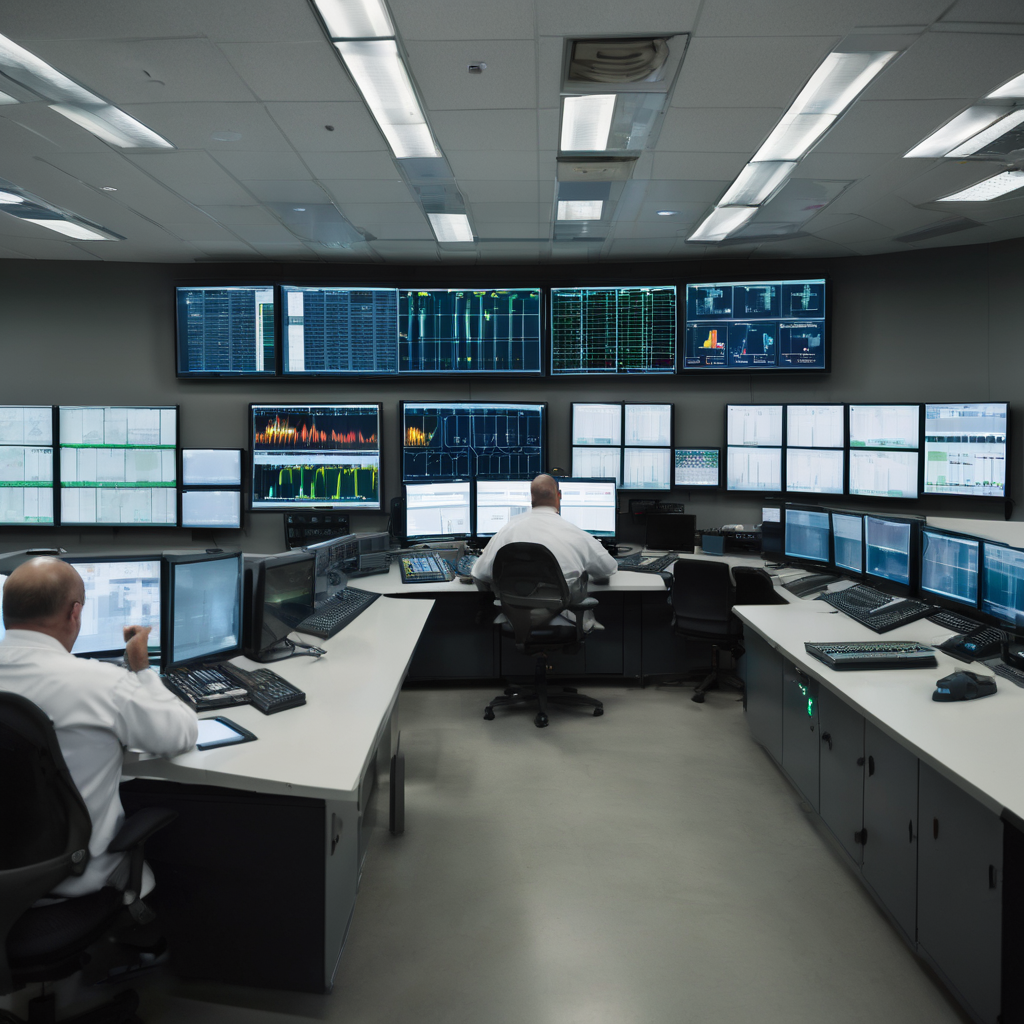
Minnesota utilities aren't just experimenting with this technology. They're making it a cornerstone of their clean energy transition strategy. The state's aggressive renewable energy standards, combined with its harsh winters that create dramatic seasonal demand swings, make thermal storage particularly attractive.
Unlike chemical batteries that degrade over time and lose capacity, thermal storage systems can operate for decades with minimal performance loss. They're also immune to the supply chain constraints and price volatility that plague lithium-ion battery markets.
The beauty of thermal storage lies in its simplicity and durability. We're talking about heating up rocks and concrete, materials we've understood for centuries, but applying them in innovative ways.
For Minnesota consumers, this technology could contribute to more stable electricity prices and improved grid reliability. Thermal storage can provide power for 6-12 hours during peak demand periods, reducing the need for expensive natural gas 'peaker' plants that typically fill these gaps.
Grid Integration Challenges and Opportunities
Integrating thermal storage into existing grid infrastructure requires careful coordination. Unlike batteries that can respond to grid signals in milliseconds, thermal systems take longer to ramp up and down. This means they're better suited for predictable, longer-duration storage needs rather than split-second frequency regulation.
However, this limitation becomes a strength when viewed through the lens of seasonal energy storage. Minnesota's long winters create sustained heating demands that align with thermal storage capabilities. The technology can store summer solar energy for winter heating – something that would be prohibitively expensive with traditional batteries.
The economic implications extend beyond utility bills. Thermal storage systems require different skill sets for installation and maintenance, potentially creating new job categories in the clean energy sector. They also rely on abundant, locally-sourced materials rather than imported critical minerals.
The Ripple Effect Across Energy Markets
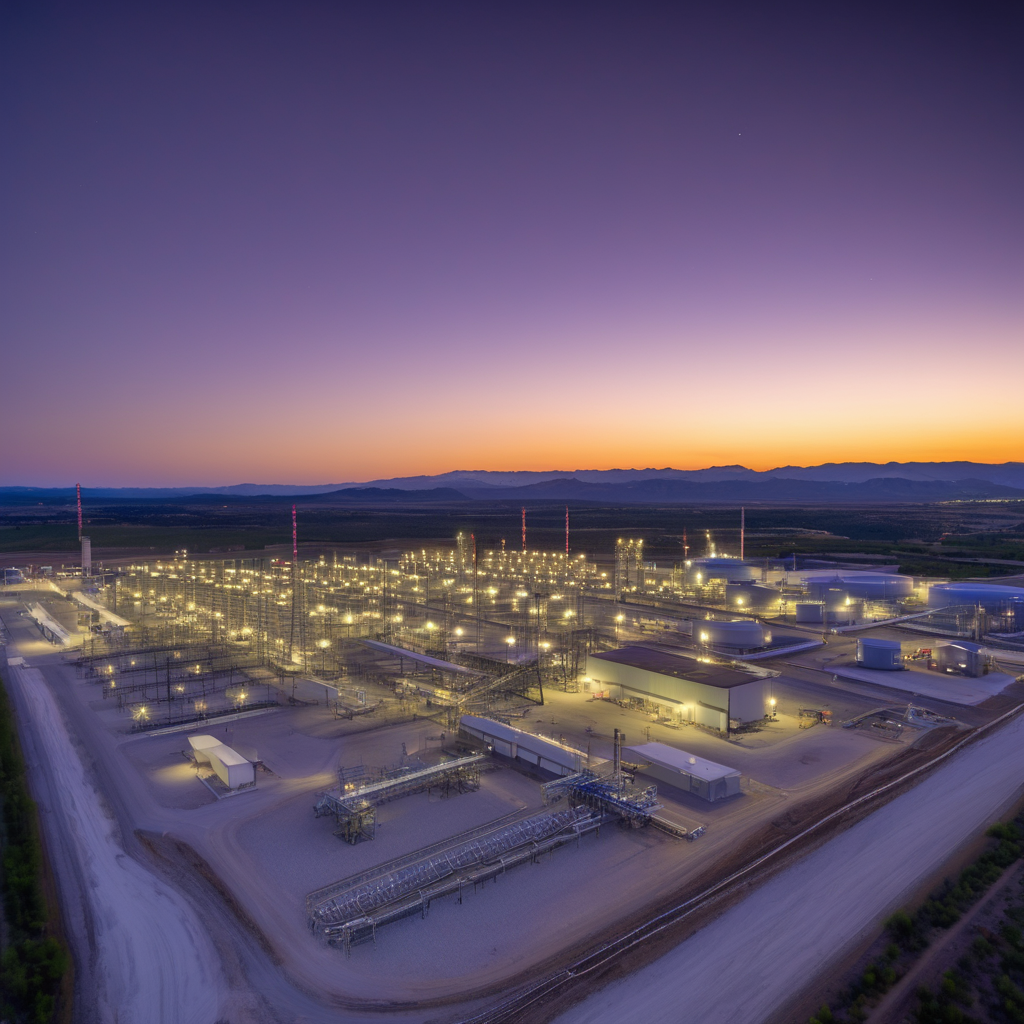
Minnesota's deployment of thermal storage technology sends signals throughout the energy industry. If successful, it could accelerate adoption across other cold-climate states facing similar renewable integration challenges.
The technology also represents a philosophical shift in how we approach energy storage. Instead of trying to store electricity directly, thermal storage acknowledges that much of our energy ultimately becomes heat anyway, for space heating, industrial processes, or even in the inefficiencies of electrical systems.
We're witnessing the emergence of a more diverse energy storage ecosystem, where different technologies serve different grid functions rather than one-size-fits-all solutions dominating the market.
For investors and policymakers, thermal storage offers a path toward energy independence that doesn't rely heavily on international supply chains. The materials are abundant, the technology is scalable, and the manufacturing can be localized.
As Minnesota's 'magic balls' begin their real-world demonstration, they're doing more than just storing energy: they're storing hope for a more flexible, resilient, and truly renewable energy future. The magic isn't in the balls themselves, but in how they might transform our entire approach to balancing supply and demand in a clean energy economy.