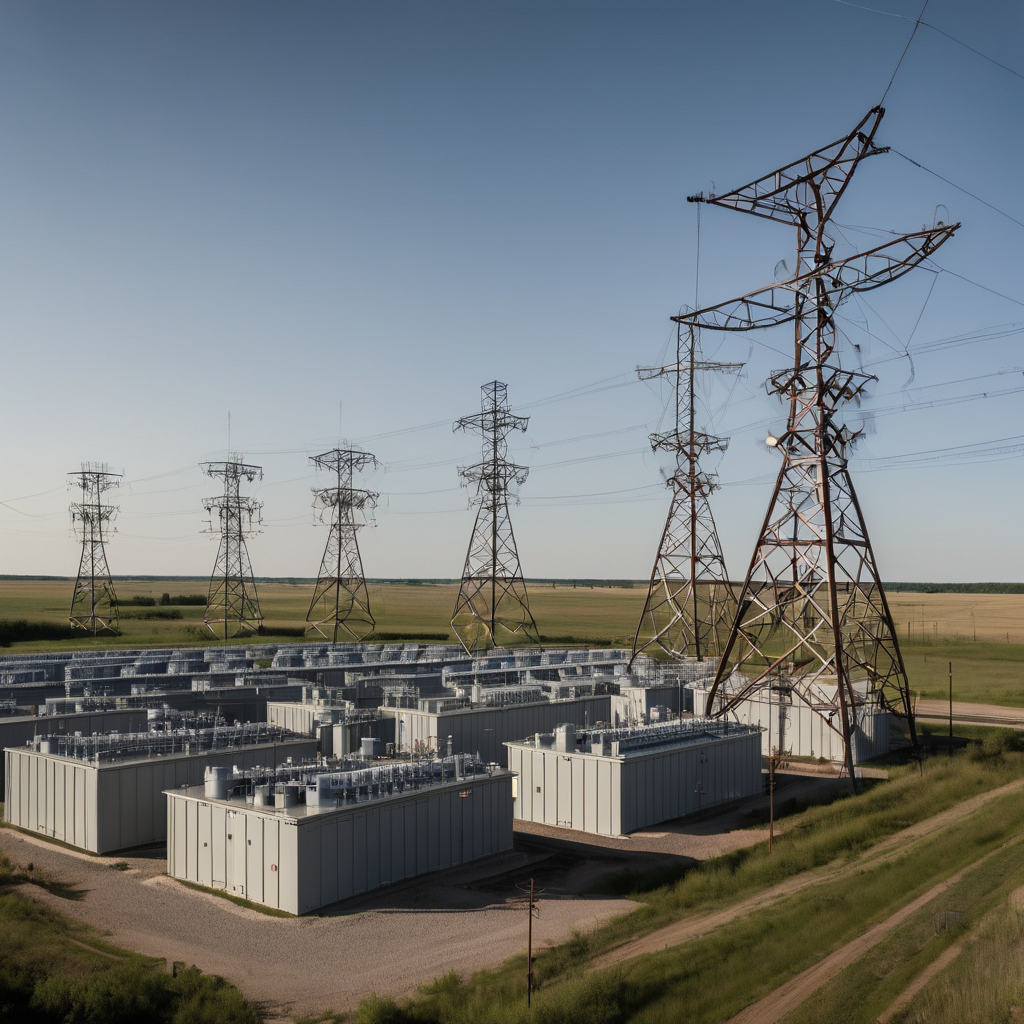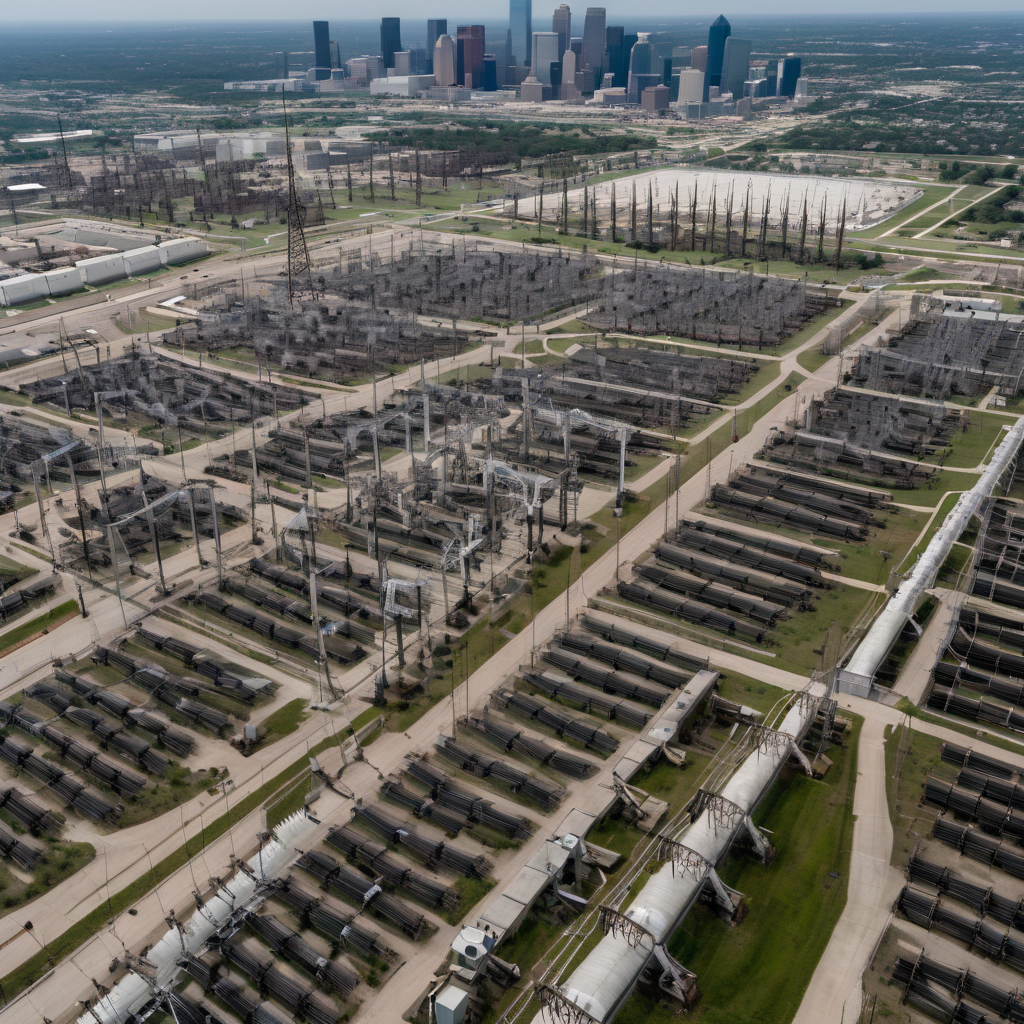
Houston's electrical grid is about to hit the accelerator—hard. CenterPoint Energy just delivered news that should make every energy analyst sit up and take notice: peak electricity demand will surge 50% by 2029, a timeline that's been compressed by two full years from previous forecasts.
Think of Houston's power grid as a highway system designed for rush hour traffic that suddenly needs to handle the Super Bowl, Mardi Gras, and Black Friday shopping all at once. That's the magnitude of challenge CEO Jason Wells outlined in his latest projections, where demand isn't just growing—it's exploding at a pace that's rewriting the playbook for utility planning.
The Numbers Behind the Energy Avalanche
Wells didn't mince words: CenterPoint's peak load is on track to double by the middle of the next decade. This isn't the gradual, predictable growth utilities typically plan around. This is demand acceleration that's outpacing even the most aggressive forecasts by years, not months.
For context, a 50% jump in peak demand over five years represents the kind of growth trajectory typically seen in emerging markets, not established U.S. metropolitan areas. Houston's energy appetite is expanding faster than the infrastructure can reasonably adapt, creating a perfect storm of capacity constraints.
What's Driving Houston's Hunger for Power

This surge isn't happening in a vacuum. Houston sits at the epicenter of multiple energy-intensive megatrends converging simultaneously. The city's industrial corridor is experiencing a renaissance driven by petrochemical expansion, data center proliferation, and the electrification of everything from vehicles to manufacturing processes.
The semiconductor boom, artificial intelligence computing demands, and cryptocurrency mining operations are creating power-hungry facilities that consume electricity like industrial-era steel mills, but with the added complexity of requiring ultra-reliable, high-quality power delivery.
Meanwhile, Houston's population continues its relentless growth, with each new resident, business, and electric vehicle adding incremental demand to an already strained system.
Infrastructure Reality Check
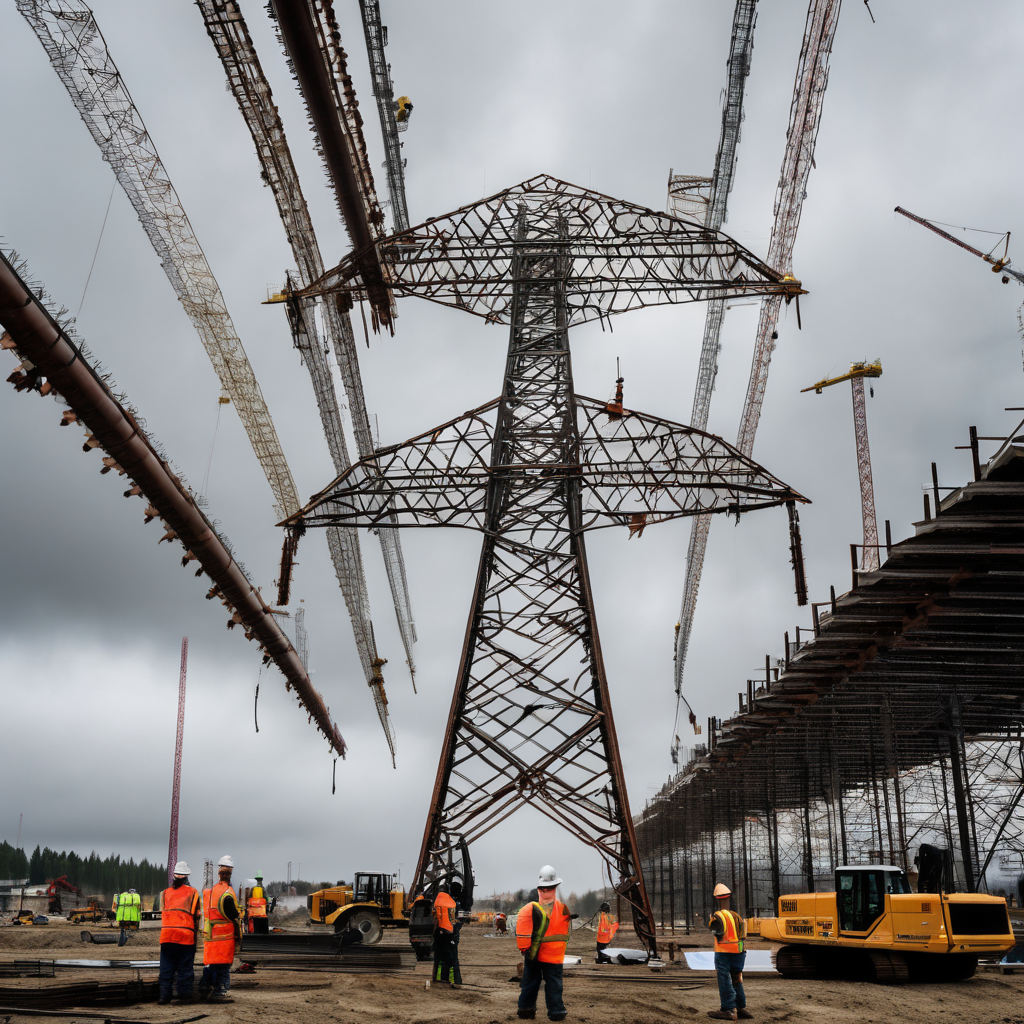
Here's where the math gets uncomfortable for utility planners: building electrical infrastructure takes time—lots of it. Major transmission projects require 7-10 years from conception to energization. Generation facilities need 3-5 years minimum. CenterPoint's accelerated timeline means they're essentially racing against a demand curve that's moving faster than traditional infrastructure deployment.
"Demand is growing faster than previously anticipated and is on pace to double CenterPoint's peak load by the middle of next decade." - Jason Wells, CenterPoint CEO
This creates what energy economists call a "capacity crunch"—the uncomfortable period where demand growth outstrips supply additions, leading to higher prices, reliability concerns, and difficult choices about rationing or load management.
What This Means for Energy Consumers

For Houston-area residents and businesses, this news translates into several immediate implications. First, expect electricity rates to climb as CenterPoint accelerates capital investments to meet demand. Utilities don't absorb infrastructure costs—they pass them through to ratepayers via regulated rate increases.
Second, reliability could become more challenging during peak periods. When systems operate closer to capacity limits, there's less margin for error when equipment fails or extreme weather strikes. Houston's experience with recent winter storms and summer heat domes provides a preview of what happens when demand approaches supply limits.
Third, this creates urgency around energy efficiency and demand management. Smart thermostats, time-of-use pricing, and distributed energy resources like rooftop solar and battery storage shift from nice-to-have technologies to essential grid management tools.
The Broader Energy Transition Context
CenterPoint's situation reflects a national phenomenon playing out across multiple utility territories. The convergence of electrification, digitalization, and industrial reshoring is creating demand patterns that challenge decades of utility planning assumptions.
What makes Houston's case particularly significant is the speed of change. Two years might not sound dramatic, but in utility planning terms, it's the difference between manageable growth and crisis management. It signals that the energy transition isn't happening gradually—it's happening in sudden, dramatic jumps that require equally dramatic responses.
This acceleration also highlights the critical importance of grid modernization investments, regulatory flexibility, and innovative approaches to demand management. Traditional utility models, built around predictable demand growth and centralized generation, are being stress-tested by the new energy reality.
Houston's power grid is about to become a laboratory for how American utilities adapt to explosive demand growth in real-time. The lessons learned—both successes and failures—will shape energy infrastructure planning across the country for decades to come.