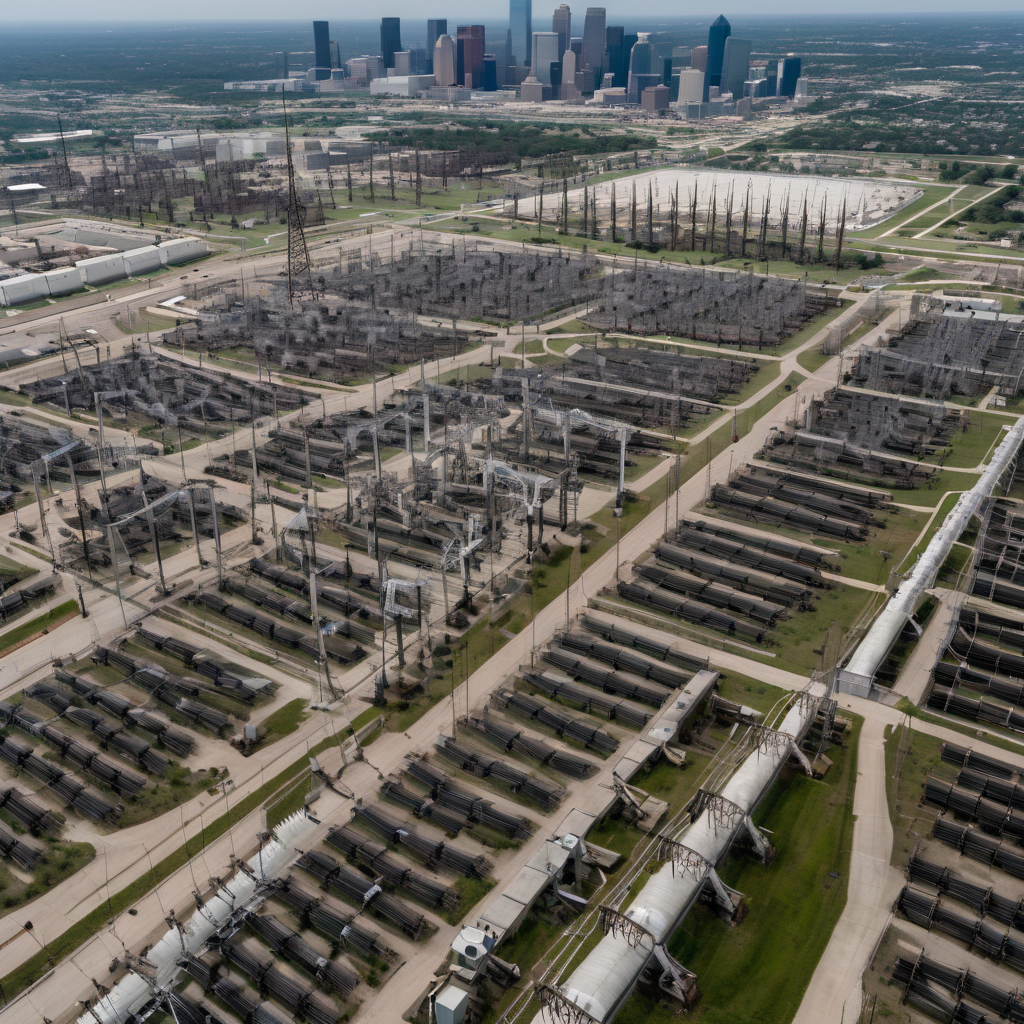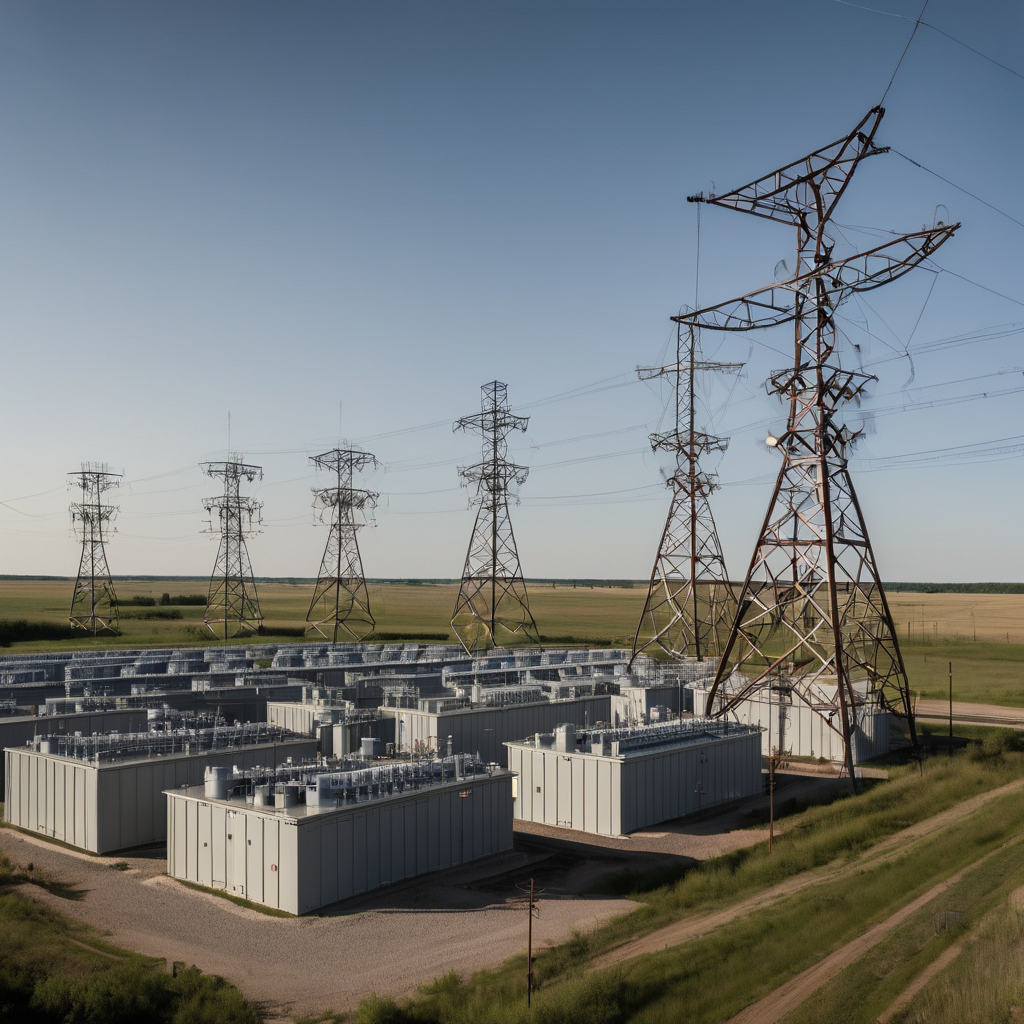
Think of the electrical grid as a massive juggling act, where supply and demand must balance perfectly every second of every day. Now imagine having a safety net so large it could catch renewable energy for days at a time, releasing it precisely when needed. That's the promise behind what Google and Xcel Energy are calling the world's largest grid battery deployment.
The 300 MW/30 GWh system, powered by Form Energy's iron-air batteries, represents more than just impressive numbers—it's a fundamental shift in how we think about storing renewable energy. While lithium-ion batteries excel at short bursts of power, lasting hours at most, iron-air technology can discharge continuously for up to 100 hours. It's the difference between a sprint and an ultramarathon.
The Iron-Air Advantage: Rust as an Energy Solution
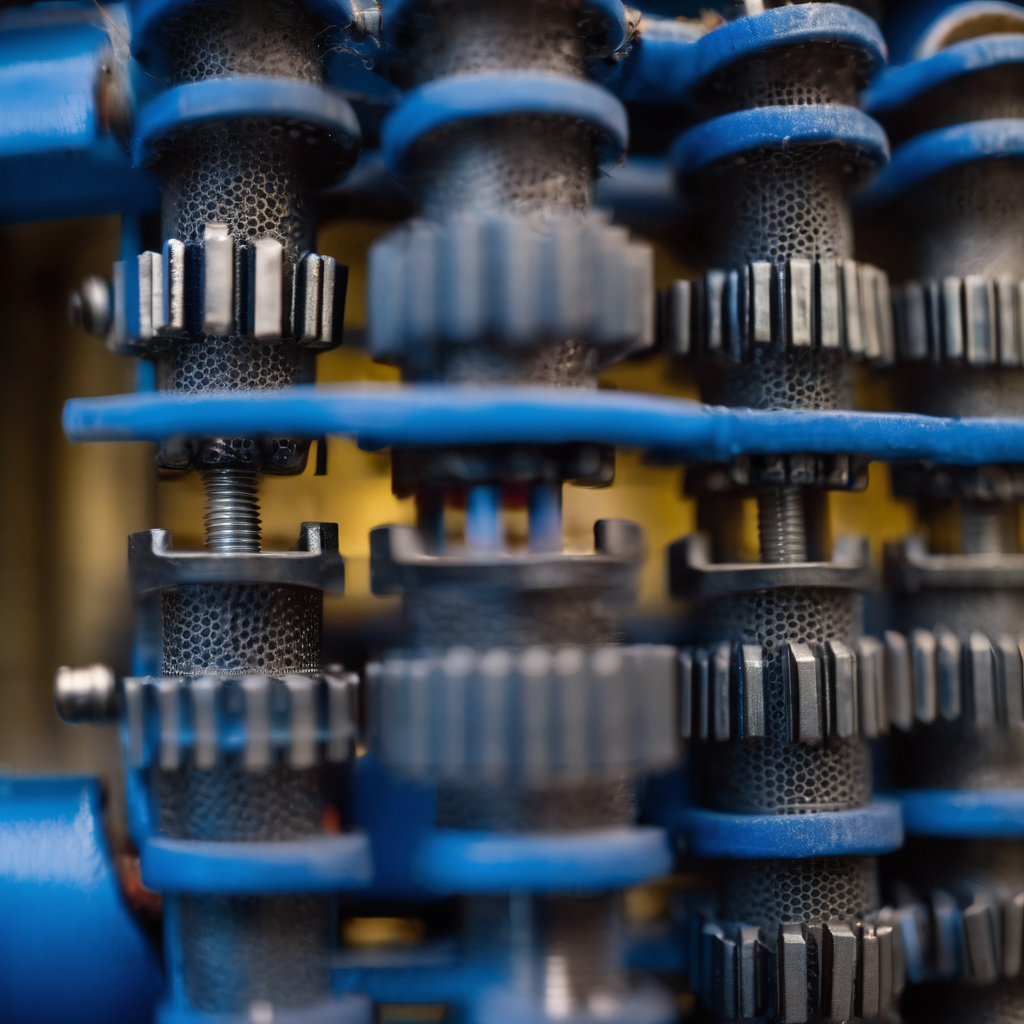
Form Energy's iron-air batteries operate on a surprisingly simple principle: they literally rust and un-rust iron to store and release energy. When charging, the system converts rust (iron oxide) back to pure iron. When discharging, it allows the iron to rust again, capturing the energy released in that chemical reaction.
This approach offers several compelling advantages over traditional lithium-ion systems. The raw materials—iron, water, and air—are abundant and inexpensive. The batteries can sit idle for months without degrading, unlike lithium systems that gradually lose charge. Most importantly, they're designed for the kind of extended discharge periods that renewable energy integration desperately needs.
Why this matters: Current grid-scale batteries typically provide 2-4 hours of storage. Iron-air systems can potentially bridge the gap during extended periods of low renewable generation—think several cloudy, windless days in a row.
Xcel's Upper Midwest Strategy
For Xcel Energy, this deployment addresses a specific challenge in their Upper Midwest territory. The region has seen explosive growth in wind and solar installations, but the intermittent nature of these resources creates grid management headaches. Traditional solutions, like keeping natural gas plants on standby, are both expensive and environmentally problematic.
The 300 MW capacity equals roughly half the output of a typical natural gas peaker plant, but with the crucial ability to provide that power for days rather than hours. Located strategically within Xcel's grid, the system will help smooth out renewable energy fluctuations while potentially deferring costly transmission upgrades.
"This isn't just about adding storage capacity—it's about fundamentally changing how we integrate renewable energy into the grid," explains a grid technology analyst familiar with the project.
Google's Clean Energy Ambitions
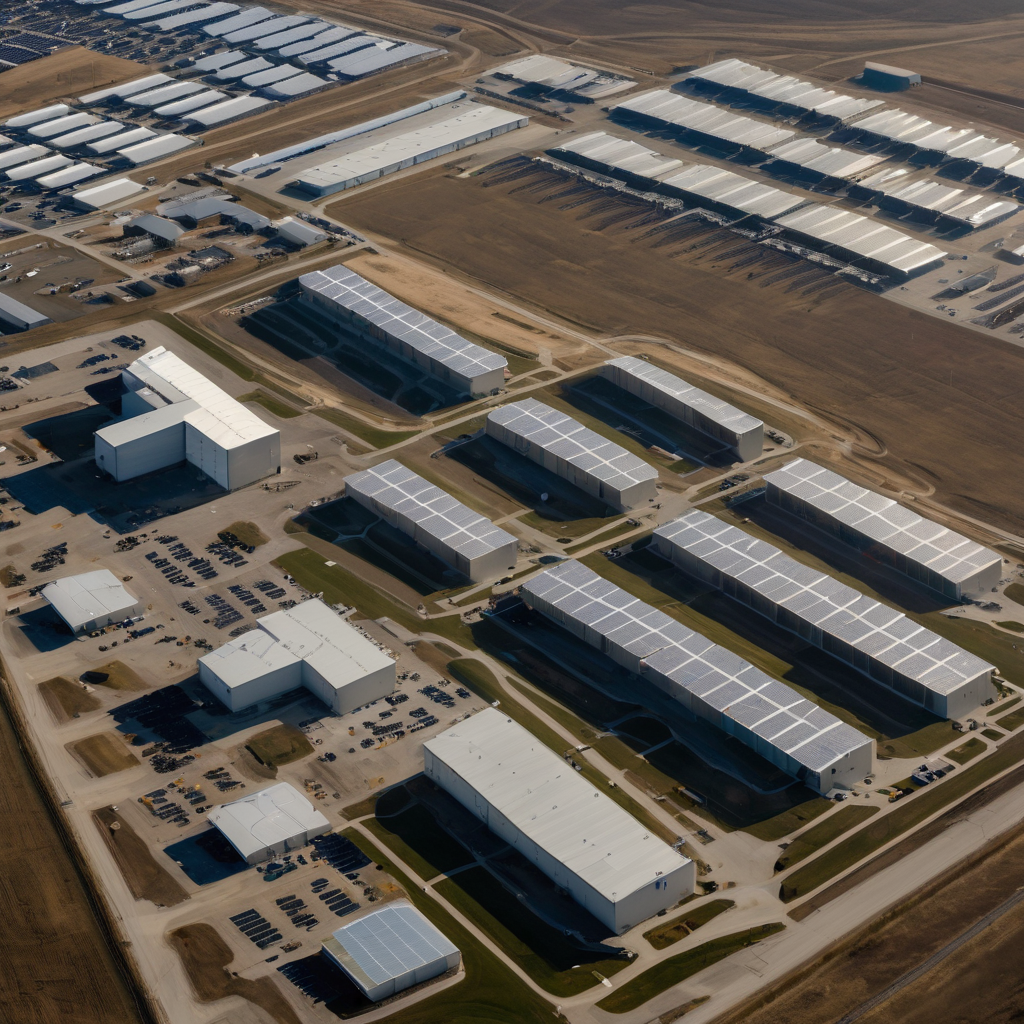
Google's involvement reflects the tech giant's broader strategy to achieve 24/7 carbon-free energy for all its operations by 2030. The company has already contracted for more renewable energy than it consumes annually, but matching supply with demand hour by hour remains challenging.
Data centers consume power constantly, with minimal flexibility to shift usage based on renewable availability. Long-duration storage like iron-air batteries could enable Google to rely more heavily on renewables even during extended periods of low wind and solar generation.
The partnership also demonstrates Google's willingness to invest in emerging technologies that could accelerate the broader clean energy transition. By providing early commercial demand for iron-air batteries, Google helps drive down costs and prove the technology at scale.
Market Implications and Timeline
While Form Energy hasn't disclosed specific deployment timelines, the company has indicated that commercial iron-air systems should begin operating by the mid-2020s. The technology has already attracted significant investment, with Form Energy raising over $200 million in funding rounds.
The economics look increasingly compelling. Form Energy estimates that iron-air systems could eventually cost less than $20 per kilowatt-hour—roughly one-tenth the cost of current lithium-ion installations. At that price point, multiday storage becomes economically viable for widespread grid applications.
Other utilities are watching closely. If the Xcel deployment proves successful, it could trigger broader adoption of long-duration storage technologies, potentially accelerating the retirement of fossil fuel peaker plants nationwide.
The Google-Xcel partnership represents more than just another renewable energy announcement—it's a bet that the future grid will look fundamentally different from today's. Instead of matching renewable generation to immediate demand, we may soon store clean energy for days or weeks, releasing it precisely when and where it's needed. In that future, rust might just be the key to unlocking truly reliable renewable power.