The relationship between gas prices and electric vehicle interest has always been predictable—when pain at the pump intensifies, showroom visits to EV dealers increase. But the current surge represents something different: a fundamental shift from ideological purchasing to pure economic pragmatism.
As gasoline prices climb toward levels not seen since 2008, American consumers are discovering that electric vehicles offer more than environmental virtue signaling. They're becoming the smart financial play, transforming from a luxury statement into a household budget necessity.
The Economics of Electric Awakening
The math is becoming impossible to ignore. With average gas prices hovering near $4 per gallon in many markets, the typical American driver spending $2,400 annually on gasoline is suddenly calculating payback periods on electric vehicles with the urgency of someone watching their savings account drain at the pump.
This isn't the gradual adoption curve that EV manufacturers had planned for. It's a demand shock driven by economic reality rather than environmental consciousness. Dealerships report that conversations have shifted from "I want to help the planet" to "I need to help my wallet."
The transformation is particularly pronounced among suburban families who previously viewed EVs as impractical for their longer commutes and multiple-car households. These consumers are now the fastest-growing segment of EV inquiries, driven by simple arithmetic: their higher mileage makes electric vehicles' lower operating costs more compelling.
Infrastructure Reality Meets Consumer Urgency
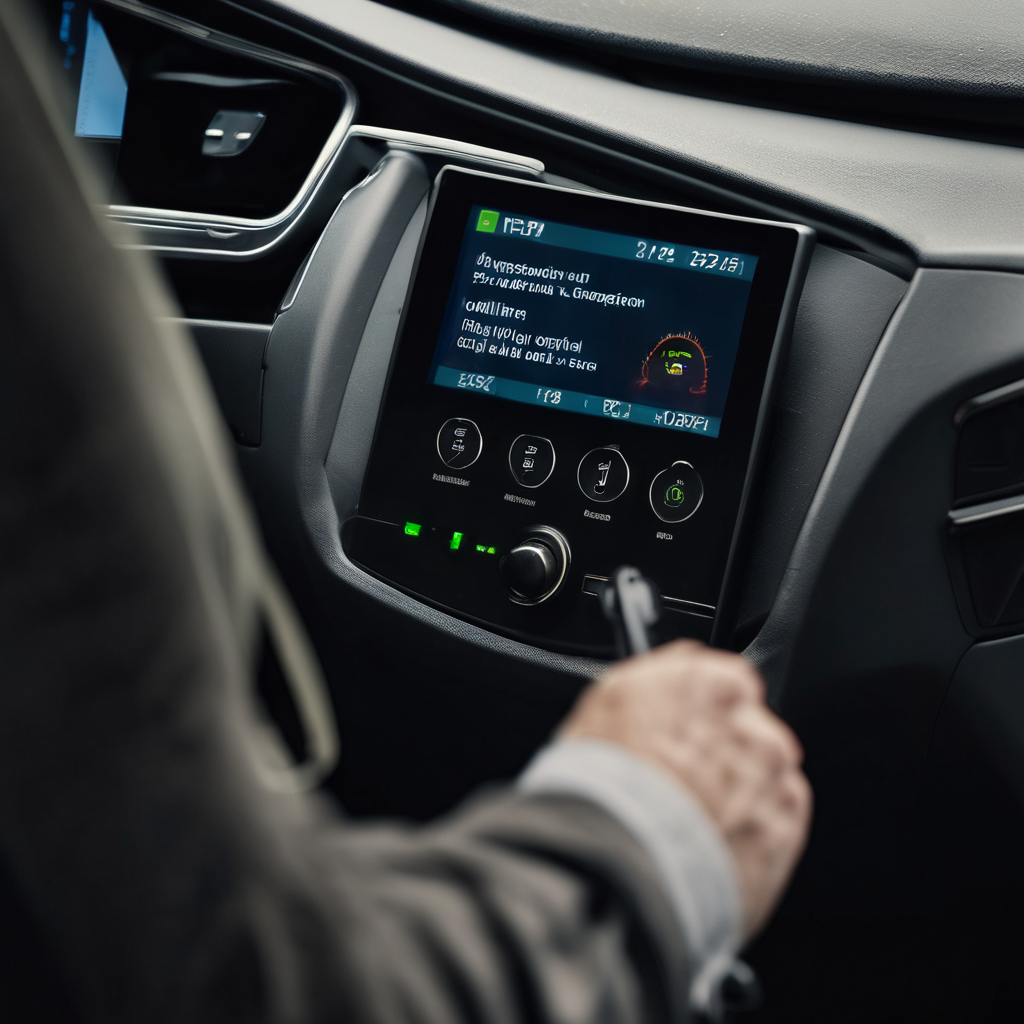
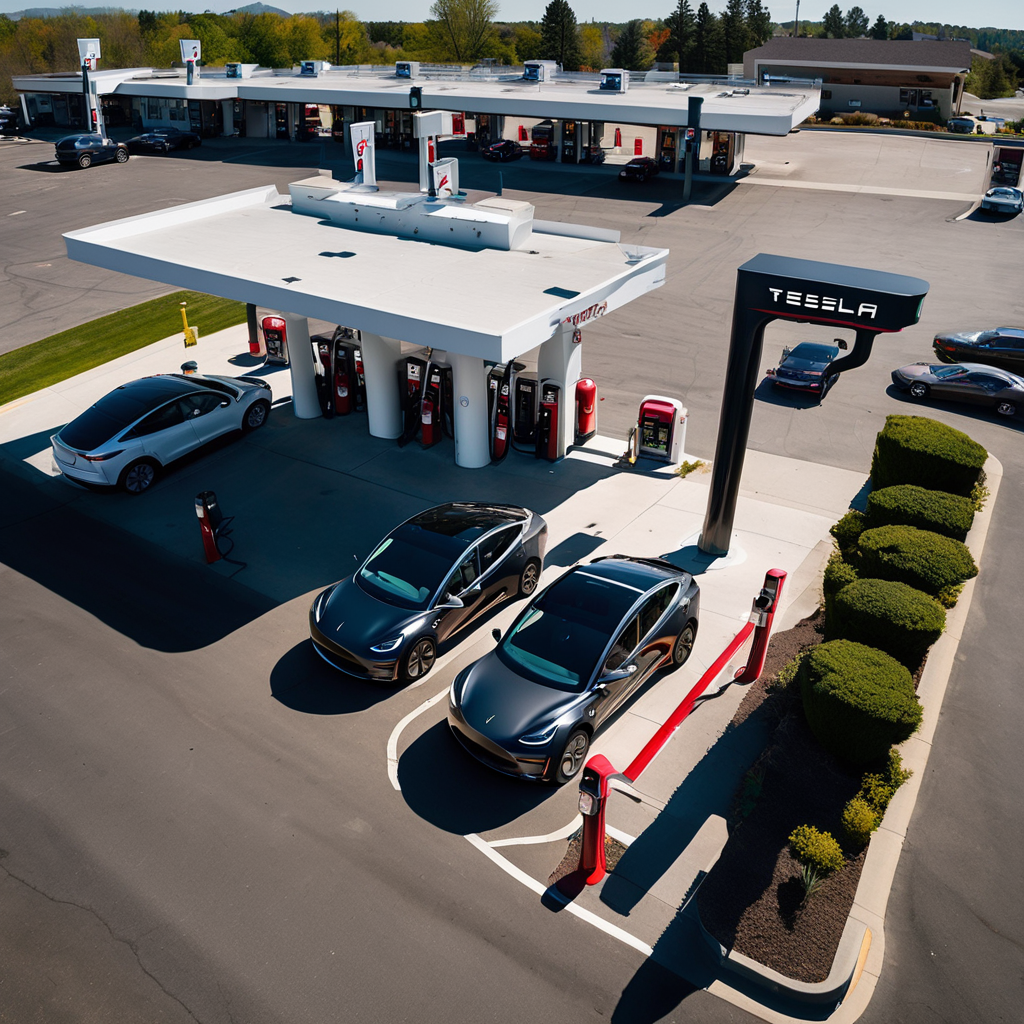
But consumer interest is colliding with infrastructure reality. The charging network that seemed adequate for early adopters suddenly appears woefully unprepared for mainstream adoption. Range anxiety, once dismissed as a psychological barrier, has become a legitimate logistical concern as more consumers contemplate electric ownership.
The timing creates a perfect storm of opportunity and challenge for the EV industry. Demand is surging precisely when supply chains remain constrained and charging infrastructure lags behind need. It's like watching a dam burst while the spillways are still under construction.
"We're seeing customers who never considered an EV before walking into showrooms with spreadsheets showing five-year fuel savings calculations. The conversation has completely changed."
This shift matters because it represents the mainstreaming of electric vehicles ahead of schedule. When adoption is driven by economic necessity rather than early-adopter enthusiasm, it creates different expectations and requirements. These consumers want EVs that work seamlessly within existing lifestyle patterns, not vehicles that require lifestyle adaptation.
The Acceleration Effect on Energy Markets
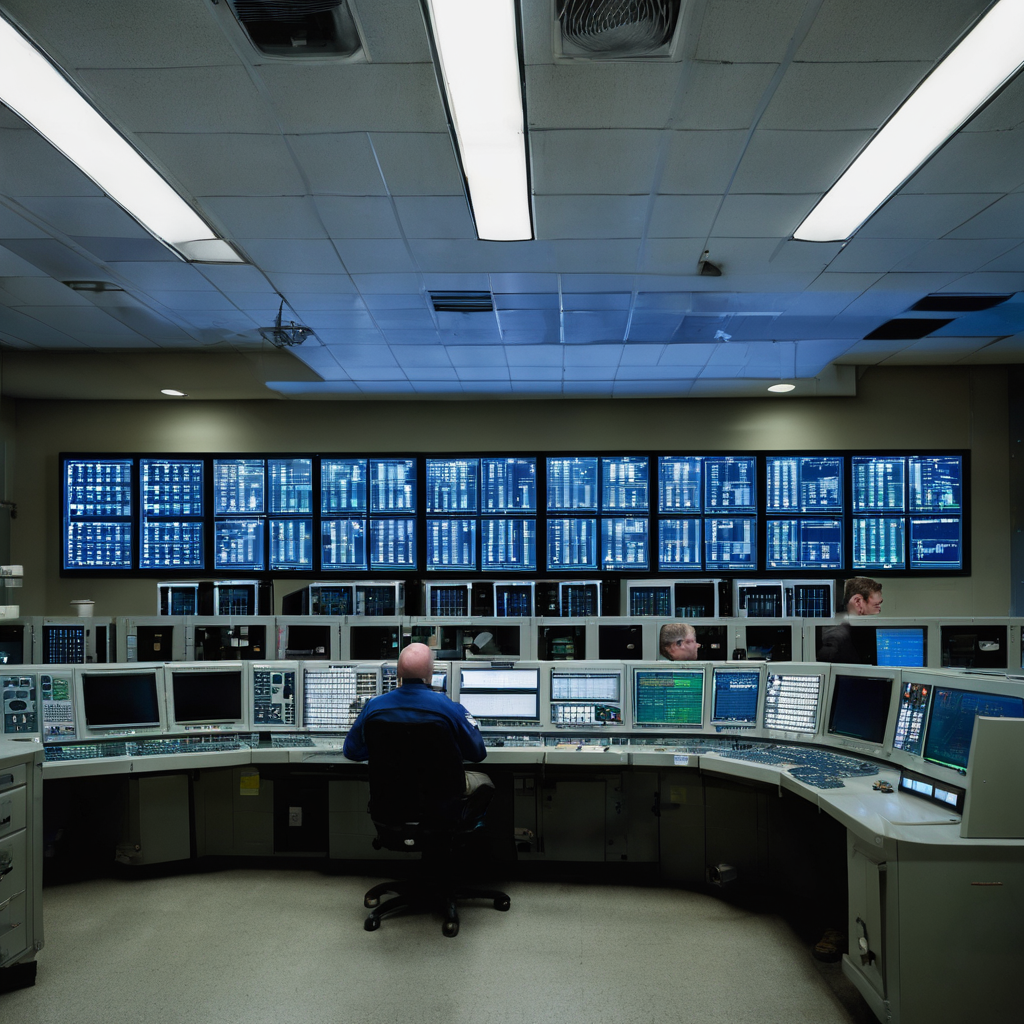
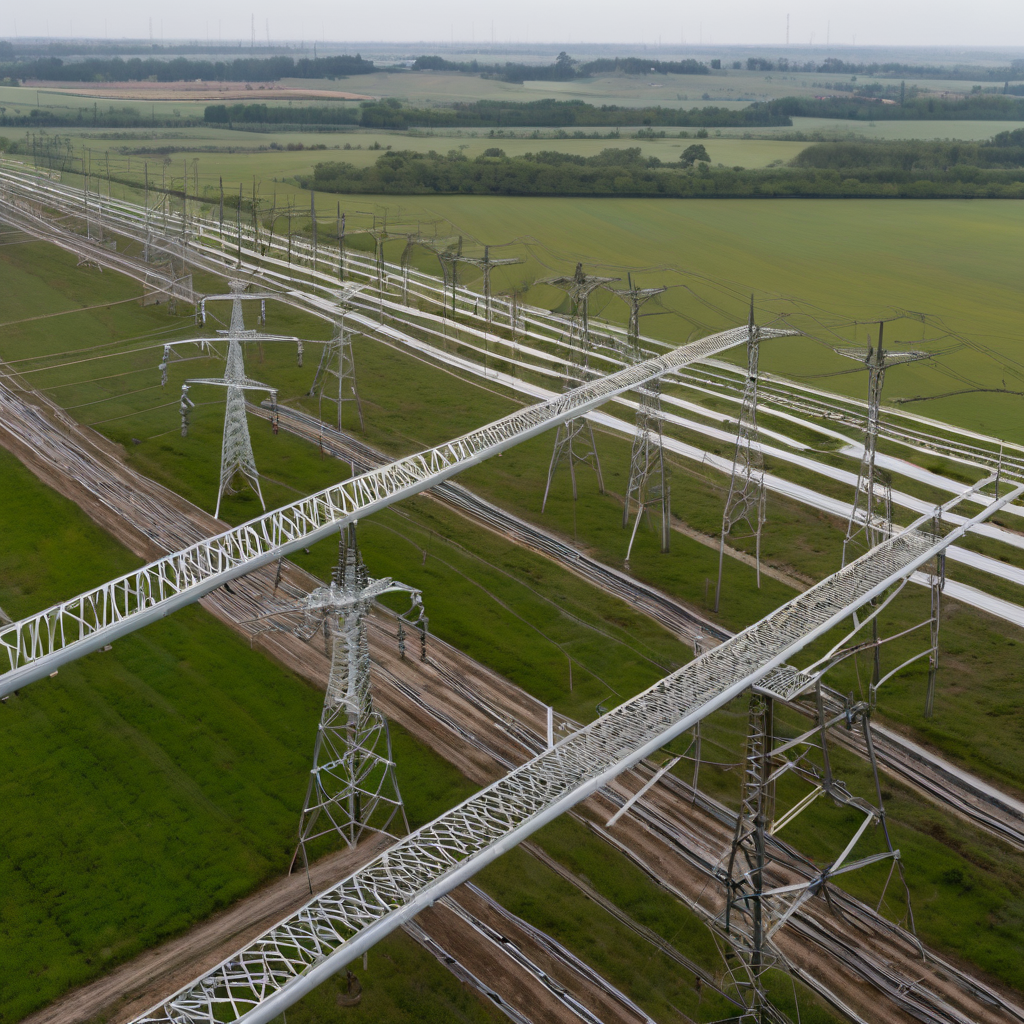
For energy markets, this acceleration presents both tremendous opportunity and infrastructure stress. Utilities that planned gradual grid upgrades to accommodate electric vehicle adoption are suddenly facing compressed timelines. The managed transition they envisioned is becoming a rapid transformation.
The ripple effects extend beyond simple electricity demand. Peak charging times, grid stability, and renewable energy integration all become more urgent priorities when EV adoption accelerates beyond planned scenarios. It's the difference between a controlled burn and a wildfire. Both clear the landscape, but one requires emergency response.
Smart utilities are viewing this surge as validation of their electrification strategies, while others scramble to accelerate infrastructure investments. The winners will be those who can scale charging infrastructure and grid capacity quickly enough to meet this unexpected demand surge.
Why This Matters Now
This gas price-driven EV interest surge represents an inflection point in American energy consumption. When economic pragmatism aligns with environmental benefits, adoption accelerates beyond all projections. We're witnessing the moment when electric vehicles transition from alternative to mainstream.
For consumers, this means the window for early-adopter incentives and easy availability is closing rapidly. For the energy industry, it means the gradual transition timeline just got compressed into an urgent transformation requiring immediate infrastructure response.
The question is no longer whether electric vehicles will dominate American roads, but whether our energy infrastructure can scale fast enough to support the economic reality that's driving consumers electric.