FirstEnergy just dropped a bombshell that should have every energy consumer paying attention: the Ohio-based utility is planning to spend $36 billion over the next five years, a staggering 30% increase from its previous spending plan. This is a window into the massive infrastructure transformation happening across America's electrical grid.
The spending surge, driven primarily by transmission investments, tells a story that extends far beyond FirstEnergy's service territory. Like a homeowner finally addressing decades of deferred maintenance while simultaneously installing smart home technology, utilities across the nation are grappling with the dual challenge of modernizing aging infrastructure and preparing for an electrified future.
The Transmission Revolution Driving Costs Skyward

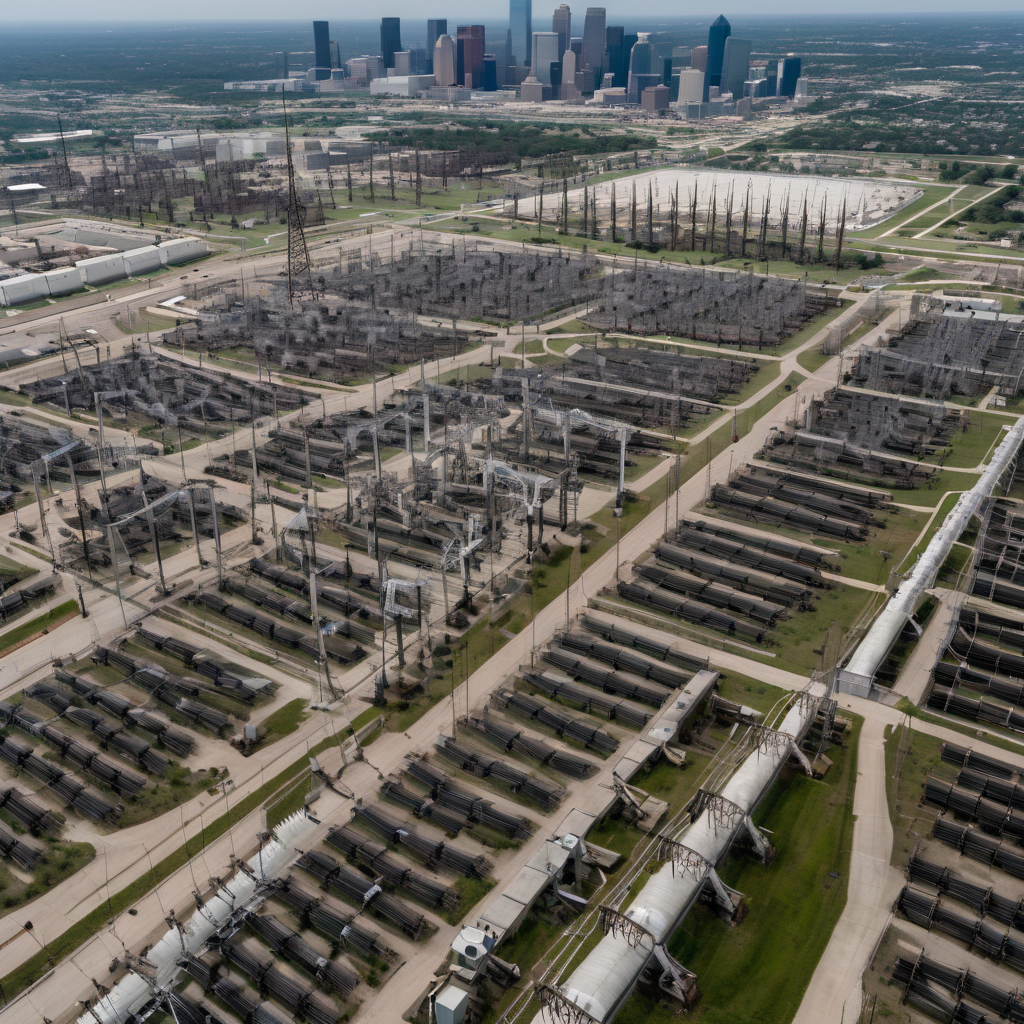
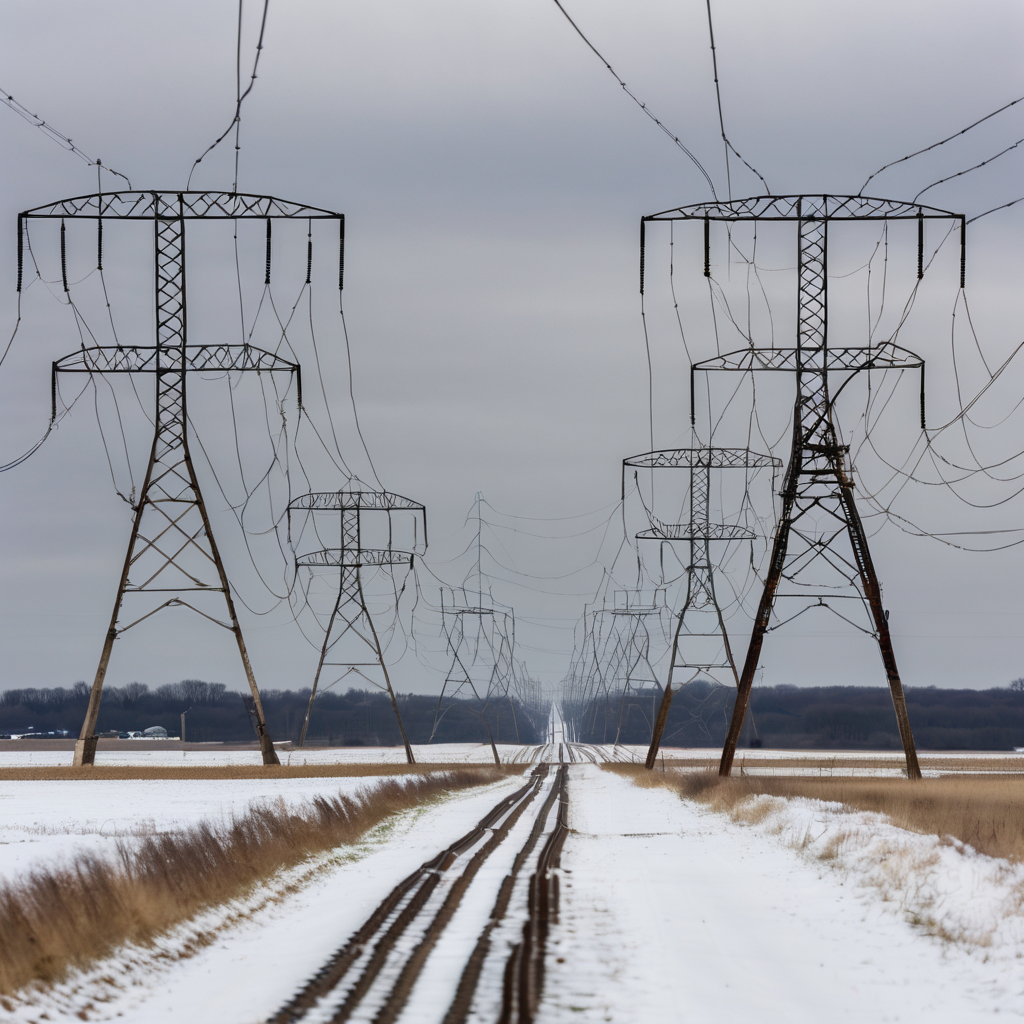
At the heart of FirstEnergy's spending strategy lies transmission infrastructure, or the high-voltage highways that move electricity across vast distances. These aren't the neighborhood power lines you see outside your window, but the massive steel towers and underground cables that form the backbone of our electrical system.
Think of transmission infrastructure as the interstate highway system for electricity. Just as America's roads needed massive investment in the mid-20th century to support economic growth, today's electrical grid requires similar attention to handle renewable energy integration, electric vehicle adoption, and increasing digitalization of everything from homes to factories.
The scale of transmission investment seen across U.S. reflects a fundamental rewiring of America's energy system. Utilities are racing to connect remote wind and solar farms to population centers hundreds of miles away, maintain and enhance reliability, and improve resiliency.
West Virginia Gas Plant Adds Complexity to Clean Energy Narrative
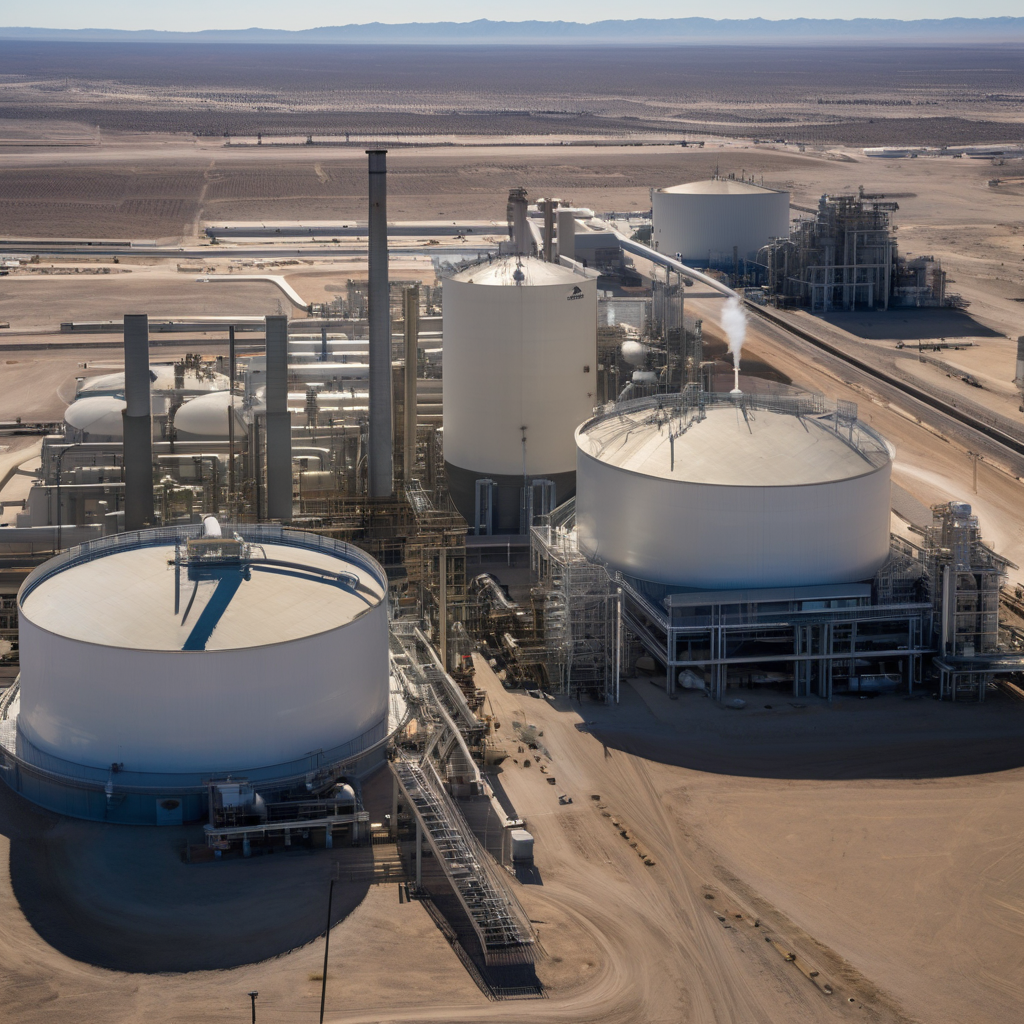
Adding another layer to this infrastructure story, FirstEnergy is seeking a U.S. Department of Energy loan to fund half of a $2.5 billion gas-fired power plant in West Virginia. This move might seem counterintuitive in an era of renewable energy expansion, but it highlights the complex balancing act utilities face.
Natural gas plants increasingly serve as the reliability insurance policy for electrical grids incorporating variable renewable sources. These facilities can quickly ramp up to maintain grid stability.
The federal loan request signals how even traditional utilities are leveraging government programs designed to modernize America's energy infrastructure, regardless of the specific technology involved.
What This Means for Energy Bills
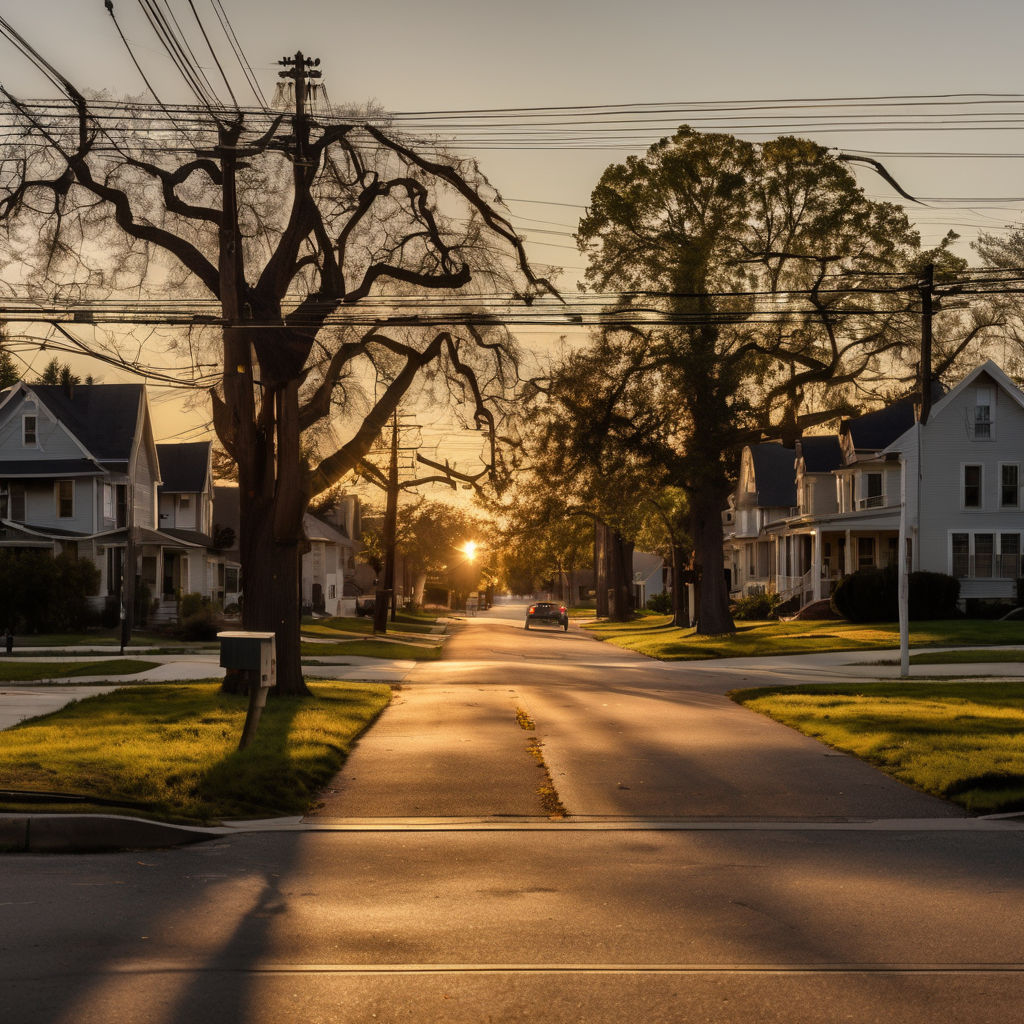
Here's the reality every consumer needs to understand: this massive infrastructure spending will ultimately flow through to electricity rates. Utilities operate under a regulated model where approved investments translate into rate recovery over time.
However, the alternative—continuing with aging infrastructure—would likely prove far more expensive in the long run. Grid failures, rolling blackouts, and inability to integrate cheaper renewable energy sources would cost consumers significantly more than proactive investment.
"We're essentially paying now to avoid much higher costs and reliability problems later. It's preventive medicine for the electrical grid."
The transmission investments, in particular, should eventually enable access to lower-cost renewable energy from regions with abundant wind and solar resources, potentially offsetting some of the upfront infrastructure costs.
The Broader Industry Transformation
FirstEnergy's spending plan reflects a nationwide phenomenon. Utilities from California to Maine are announcing similarly ambitious investment programs, driven by converging pressures: aging infrastructure, climate policies, electrification trends, and changing energy economics.
This represents the most significant transformation of America's electrical system since its initial buildout in the early-to-mid 20th century. The difference is that today's investments must simultaneously address reliability, environmental goals, and technological advancement. It's a far more complex challenge than simply connecting homes and businesses to centralized power plants.
For energy consumers, FirstEnergy's $36 billion commitment serves as both a promise and a preview. A promise of more reliable, modern electrical service capable of supporting an increasingly electrified economy, and a preview of the substantial investments, and associated costs, required to build the energy system of the future. The question isn't whether this transformation will happen, but how quickly and efficiently utilities can execute it while managing costs for the customers who ultimately foot the bill.