

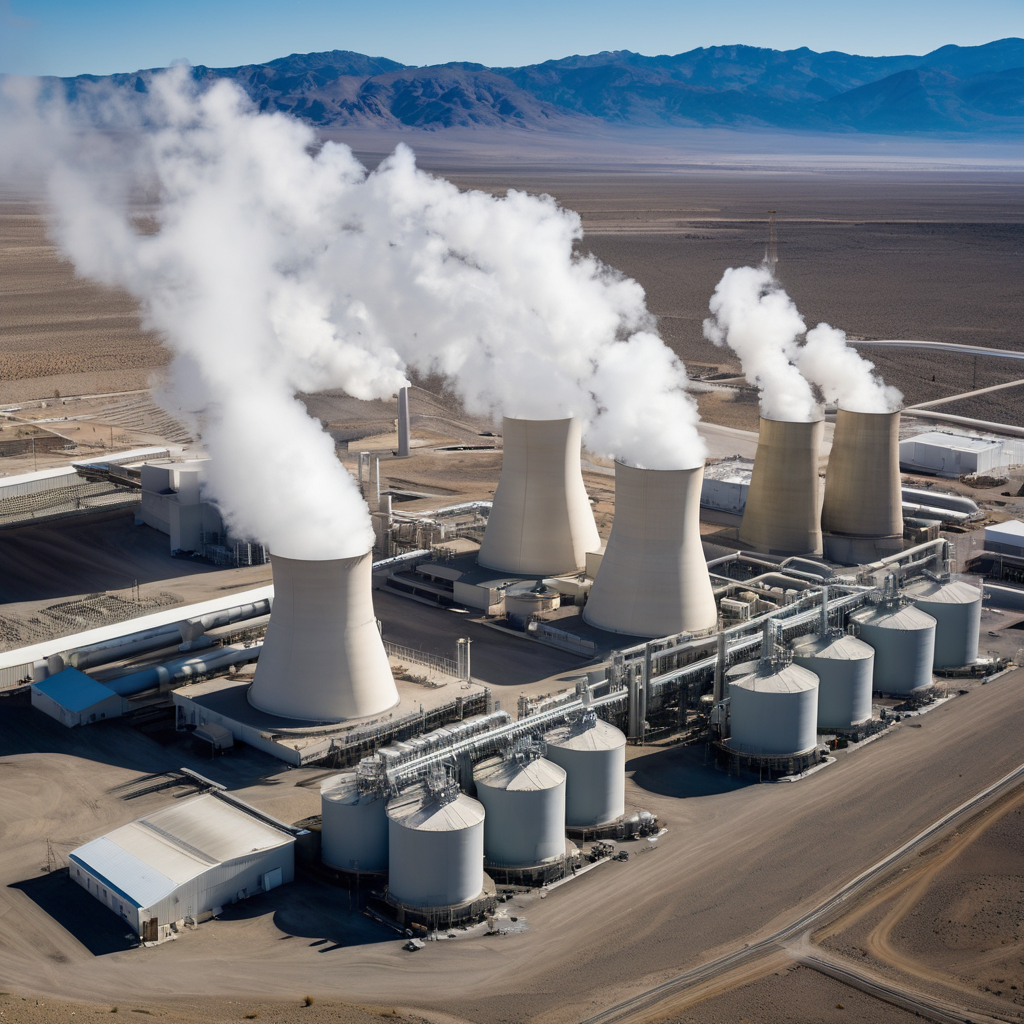
In the high-stakes poker game of renewable energy, Fervo Energy just went all-in on geothermal power. The Houston-based company has inked a turbine supply agreement with Italy's Turboden that could generate 1.75 gigawatts of capacity—enough clean electricity to power roughly 1.3 million homes from the heat beneath our feet.
This isn't just another corporate handshake. It's a seismic shift that signals geothermal energy's emergence from the shadows of solar and wind power into the mainstream energy conversation. For consumers watching their electricity bills climb while grappling with grid reliability concerns, this underground revolution could offer a game-changing solution that works 24/7, regardless of weather.
From Modest Beginnings to Gigawatt Ambitions
The scale of this commitment becomes clear when measured against Fervo's previous agreement with Turboden. Just months ago, a 150-megawatt turbine deal seemed ambitious for the geothermal upstart. Now, the companies are planning for more than ten times that capacity. That's a leap that would make even Silicon Valley's most aggressive scaling strategies look conservative.
This exponential growth reflects more than corporate optimism. It demonstrates how enhanced geothermal systems, which create their own underground reservoirs by fracturing hot rock formations, are finally ready to compete with traditional power sources on both cost and scale. Unlike conventional geothermal plants that require naturally occurring hot springs, Fervo's technology can tap into the Earth's heat almost anywhere.
The Technology Behind the Underground Gold Rush
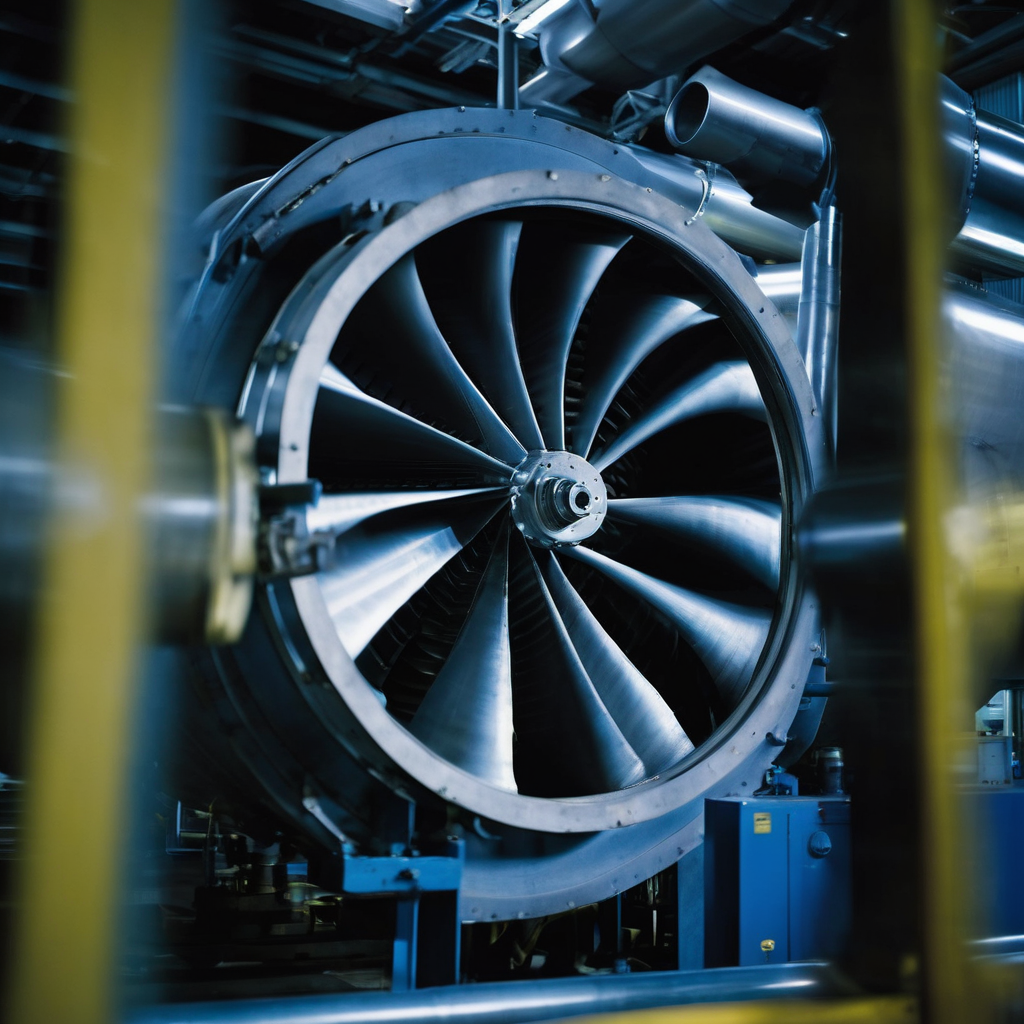
Turboden's organic Rankine cycle turbines represent the sophisticated machinery that transforms underground heat into grid-ready electricity. These systems use organic fluids instead of water to capture energy from lower-temperature geothermal sources, essentially allowing engineers to extract power from geological formations that were previously considered too cool for energy production.
Think of it as the difference between needing a raging bonfire versus being able to generate power from a steady campfire. This technological flexibility dramatically expands the geographical footprint where geothermal energy becomes viable, potentially unlocking vast swaths of the American West for clean energy development.
What This Means for Energy Consumers
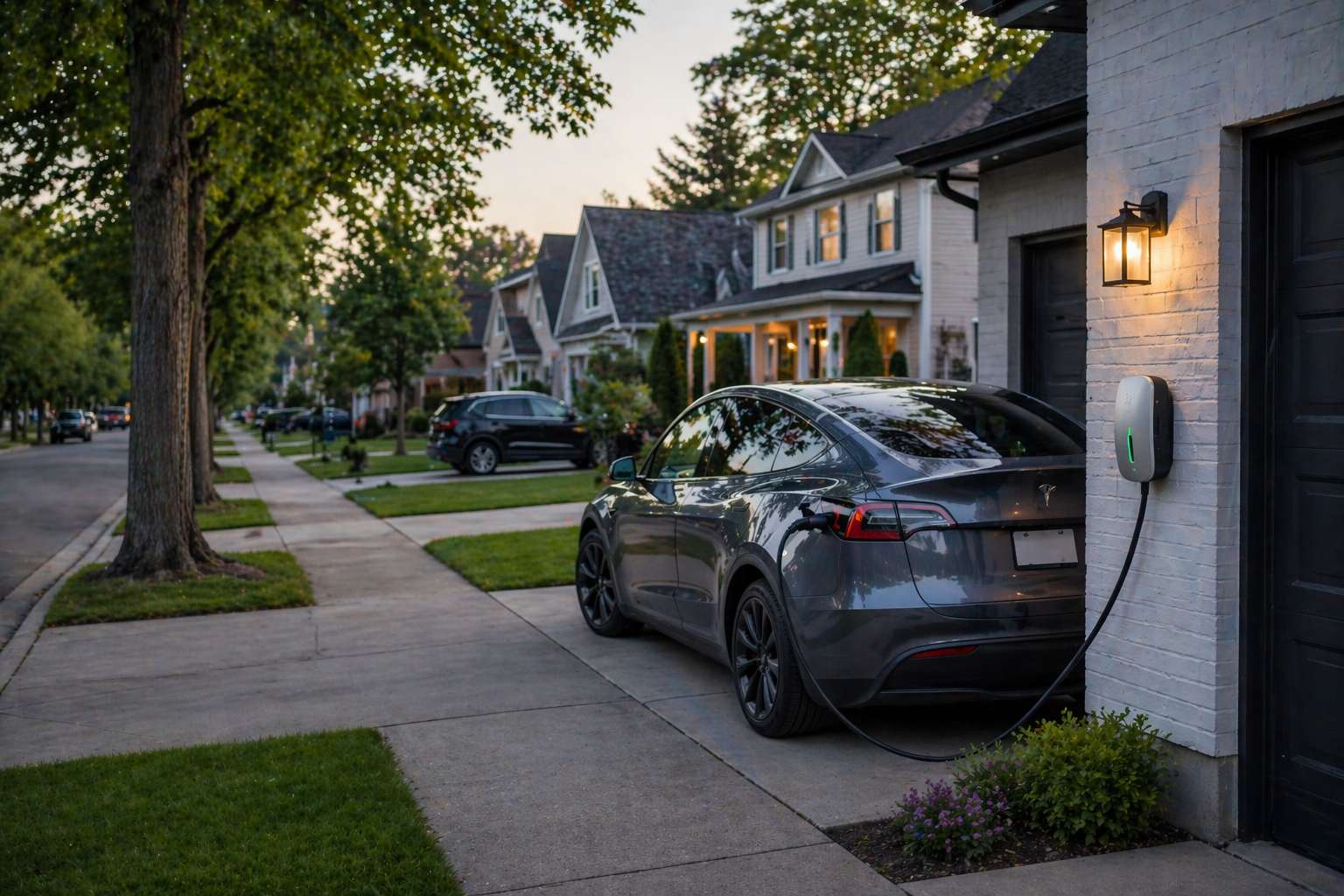
For households and businesses who worry about the risk of rolling blackouts and volatile electricity prices, geothermal's promise lies in its reliability. While solar panels go dark at sunset and wind turbines fall silent during calm weather, geothermal plants maintain steady output around the clock. This baseload consistency could stabilize grid operations and potentially reduce the need for expensive backup power systems that ultimately show up on consumer bills.
The timing couldn't be more critical. As electric vehicle adoption accelerates and heat pumps replace gas furnaces, America's electricity demand is projected to surge. Geothermal energy offers a path to meet this growing appetite for electrons without the intermittency challenges that have complicated renewable energy integration.
Moreover, the domestic nature of geothermal resources insulates consumers from the geopolitical volatility that has sent fossil fuel prices on wild rides. The heat beneath our feet doesn't respond to international sanctions or supply chain disruptions—it's as reliable as geology itself.


