California just transformed corporate climate accountability from a polite suggestion into a legal requirement. Like switching from honor-system recycling to mandatory curbside pickup, the California Air Resources Board's newly approved regulations will force companies to report their carbon emissions with unprecedented transparency.
The rules, which take effect this August, require businesses to disclose their Scope 1 and Scope 2 emissions. These scopes are the carbon they directly produce and the carbon embedded in their purchased electricity. It's the regulatory equivalent of making every company show their energy report card to the public.
The Scope of California's Reach
Don't mistake this for a California-only affair. When the Golden State—home to the world's fifth-largest economy—mandates corporate disclosure, the ripple effects wash across every boardroom in America. Companies doing business in California, from tech giants to manufacturing conglomerates, will now face the same emissions reporting requirements regardless of where their headquarters sit.
This matters because transparency drives transformation. Just as nutrition labels changed how Americans think about food, mandatory emissions disclosure forces companies to confront their carbon footprint in numbers. You can't manage what you don't measure, and California just made measurement mandatory.
Beyond Voluntary Virtue Signaling

For years, corporate sustainability reports have been the equivalent of vanity publishing highlighting green initiatives while conveniently omitting inconvenient carbon truths. California's regulations shatter this selective storytelling by demanding standardized, comparable data that investors and consumers can actually use.
The timing couldn't be more critical. As extreme weather events rack up billion-dollar damages and energy costs fluctuate wildly, investors are demanding real climate risk assessment. These disclosure rules provide the standardized data framework that financial markets have been craving.
The Energy Consumer Connection
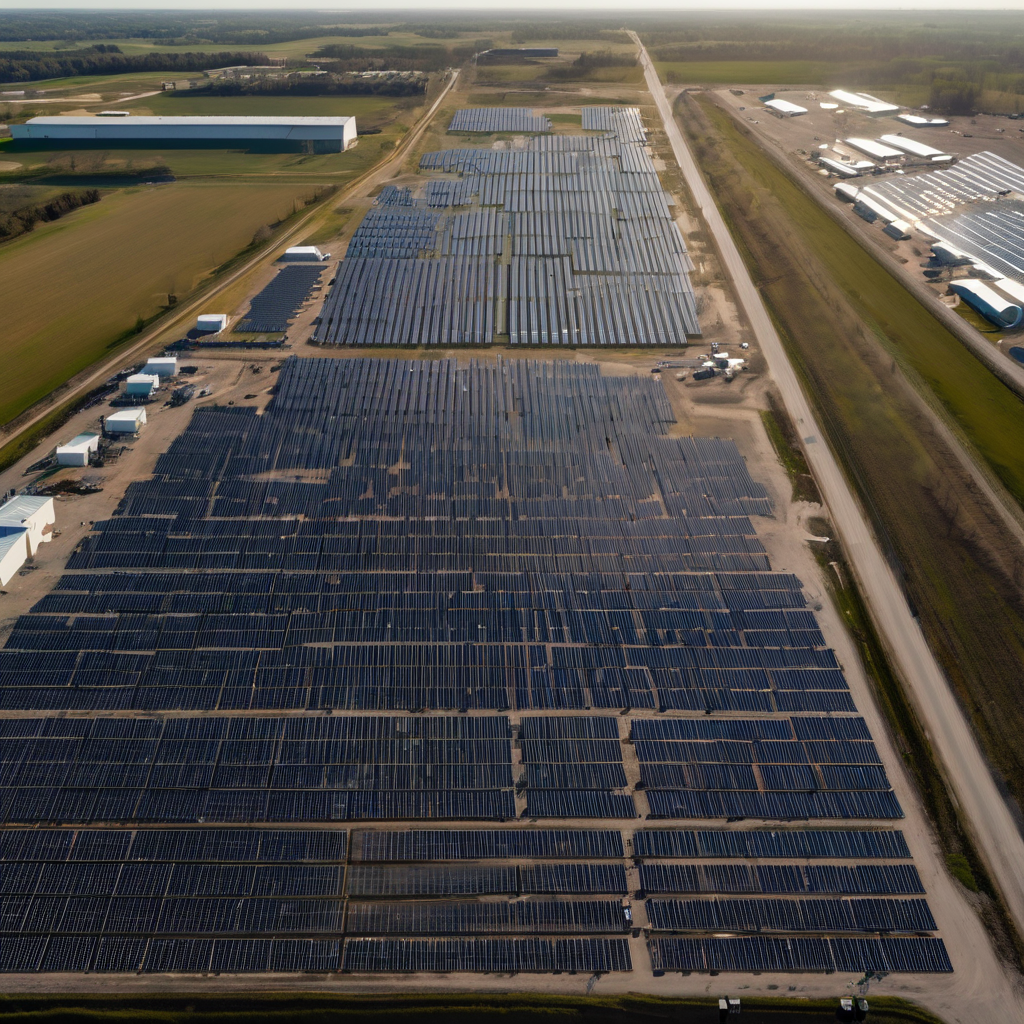
Here's why this matters to anyone paying an electricity bill: corporate emissions disclosure creates market pressure for cleaner energy procurement. When companies must publicly report their Scope 2 emissions they suddenly have powerful incentives to buy renewable power.
This demand shift accelerates clean energy deployment, which ultimately drives down costs for all energy consumers. It's economic physics: increased corporate demand for clean electrons means more solar panels and wind turbines get built, creating the scale economies that make renewable energy cheaper.
Implementation Reality Check
August's deadline might seem aggressive, but California's approach reflects hard-learned lessons from voluntary disclosure programs. The state watched companies drag their feet on climate transparency for decades, offering aspirational commitments while emissions kept climbing.
The California Air Resources Board, already battle-tested from implementing the state's cap-and-trade program, brings regulatory credibility that voluntary initiatives lack. Companies know CARB has both the technical expertise and enforcement authority to make these requirements stick.
This regulatory shift represents more than administrative rule-making. California is betting that transparency can succeed where voluntary action has not. By forcing corporate America to show its carbon homework, the state is transforming climate accountability from optional virtue signaling into mandatory business practice. The question isn't whether other states will follow California's lead, but how quickly they'll catch up.