


Ashley Baukman has a social work license, five children at home and roughly $80,000 in student loans. She is also a first year electrical apprentice in Columbus, Ohio, one of the career changers NPR labor and workplace correspondent Andrea Hsu wrote about on Tuesday.
What happened
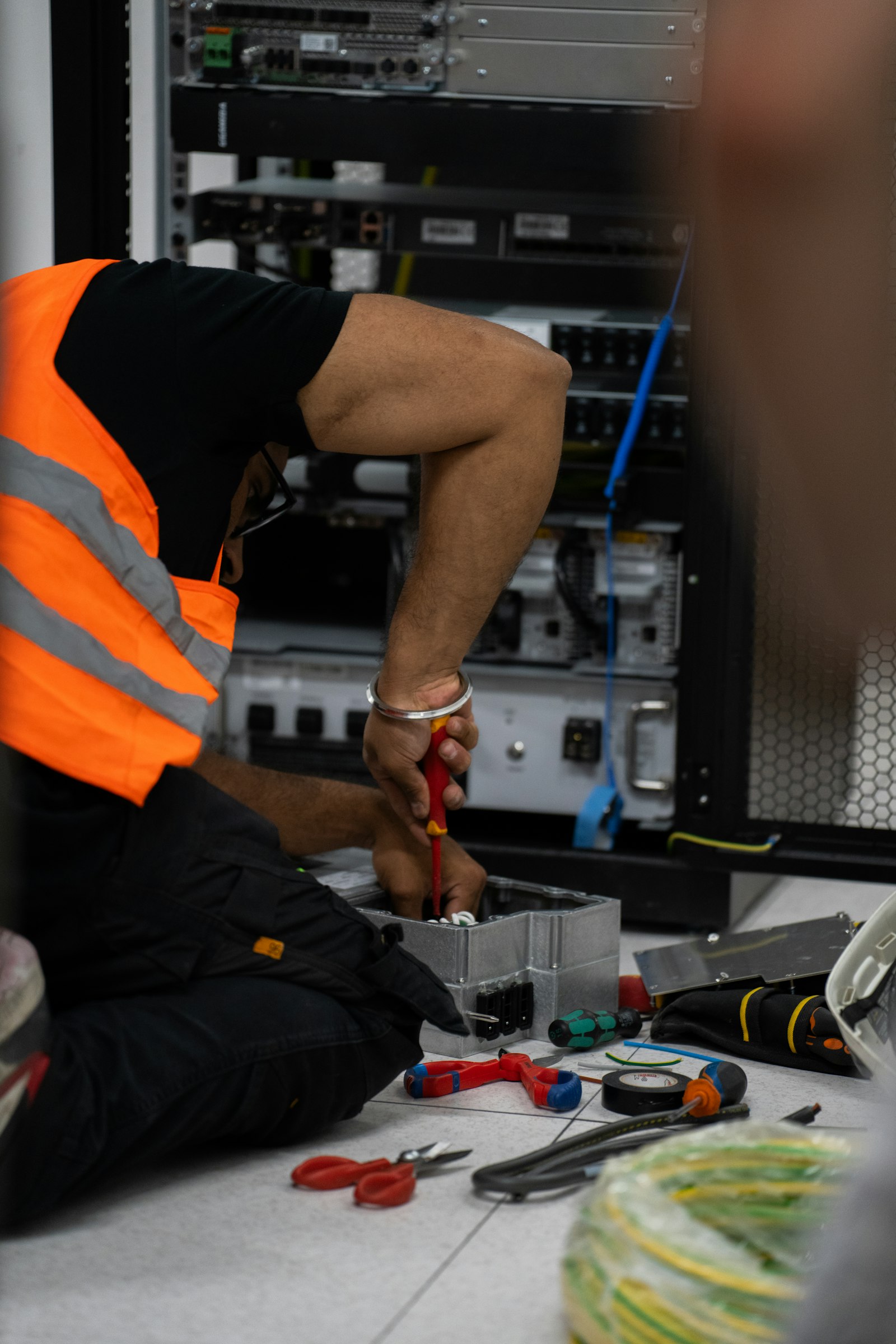
Hsu spent time at the Electrical Trades Center of Central Ohio, the school funded through the contract between the Central Ohio Chapter of the National Electrical Contractors Association and International Brotherhood of Electrical Workers Local 683. In 2022 the center had 500 apprentices. It now has more than 800, and it moved instruction from night classes to daytime because that many people no longer fit the old schedule.
The people filling those seats are not who the trades spent a generation expecting. Trent Parker, the center's director and an electrician himself, told NPR that several dozen enrolled apprentices already hold four year degrees, and that roughly 300 applicants have some college behind them. Mike Hansen, 39, served ten years in the Army, finished a master's degree, then walked out of a doctoral program in sport and performance psychology. Michael Hughes studied English, worked at Geek Squad, and now wires a police station, a paper mill, a sheet metal plant and an auto plant. Harry Cekovich, 34, graduated from Ohio State and worked as a massage therapist and a bartender before landing on a solar field less than an hour from his house.
Baukman started in the spring. She is in class one day every two weeks and on the job the rest of the time.

Why it counts
About half the work in the local's jurisdiction is data center work, Hsu reported. That is the central Ohio buildout showing up where it is easiest to verify and hardest to fake: on a payroll, in a classroom, in a hall that has to produce licensed people on a five year clock.
The job creators here are the contractors who sign the Local 683 agreement. They fund the training center, they put apprentices on real jobs from the first week, and they carry the cost of years of instruction before anybody is licensed. An apprentice is not a student the industry is subsidizing out of goodwill. He or she is a paid worker on a crew, billing hours, with a wage that steps up as the hours accumulate.
Ohio built one piece of this deliberately. A 2023 state law requires licensed school counselors to visit a training center like this one, so that the people advising teenagers can describe an apprenticeship from having stood in one.
"The same people that are going to be successful in college are the same people that are going to be successful here." Trent Parker, director, Electrical Trades Center of Central Ohio, to NPR
The numbers
- Apprentice pay at the center starts at a minimum of $23 an hour and rises with hour milestones to $46.
- Baukman earns a little over $25 an hour on the job, plus a stipend on class days, and expects to nearly double her wage in a little over three years.
- Journeyworkers, meaning electricians who have finished the apprenticeship and hold the license, often clear $100,000 a year with overtime. Parker told NPR some projects pay $5 to $10 above the union rate, and some run double time on overtime hours.
- Cekovich said the contract carries retirement benefits and health insurance with no premium out of his check. His current job pays $100 a day in per diem, the daily allowance for travel and meals.
- Nationally, the Bureau of Labor Statistics counted about 821,000 electricians in 2025, projects 9 percent growth from 2025 to 2035, and expects about 72,700 openings a year over that decade. Median pay was $63,190 in May 2025.
- The clock is long. The IBEW apprenticeship runs five years and 10,000 hours on the job plus classroom time, as Anthony Lopopolo reported for Quartz, and applications to commercial electrical apprenticeships rose more than 70 percent between 2022 and 2024, per Validated Insights.
What comes next
An apprentice who signs on this winter gets licensed around 2031. That is the part worth sitting with. The crews that will energize central Ohio's next decade of construction are being recruited right now, and the recruiting pool just got wider: veterans, graduate school leavers, people with a degree and a loan balance who did the math on a trade that pays while you learn it.
For contractors, 800 apprentices is a planning number. It tells them how many licensed hands exist in 2031 and how much work they can credibly bid between now and then. Parker's school has already made the moves that scale: daytime instruction, a curriculum built on real math, since bending conduit is trigonometry with a pipe in your hands, and counselors who have seen the shop floor.
The Bottom Line
Columbus did not add 300 apprentices by luck. A contractor association and a local union kept a school funded, a state law put counselors inside it, and the work showed up to justify the seats. The result is a wage ladder from $23 to $46 an hour, open to a 36 year old social worker with five kids, and a pipeline of licensed electricians arriving right about when the region needs them. That is what a functioning trades pipeline looks like when somebody pays for it on purpose.
Sources: Andrea Hsu, NPR, "She went to college to become a social worker. Now she's joined the skilled trades," November 17, 2026 | U.S. Bureau of Labor Statistics, Occupational Outlook Handbook: Electricians | Anthony Lopopolo, Quartz, "Apprentice electricians face a timing gap with the data center boom"


